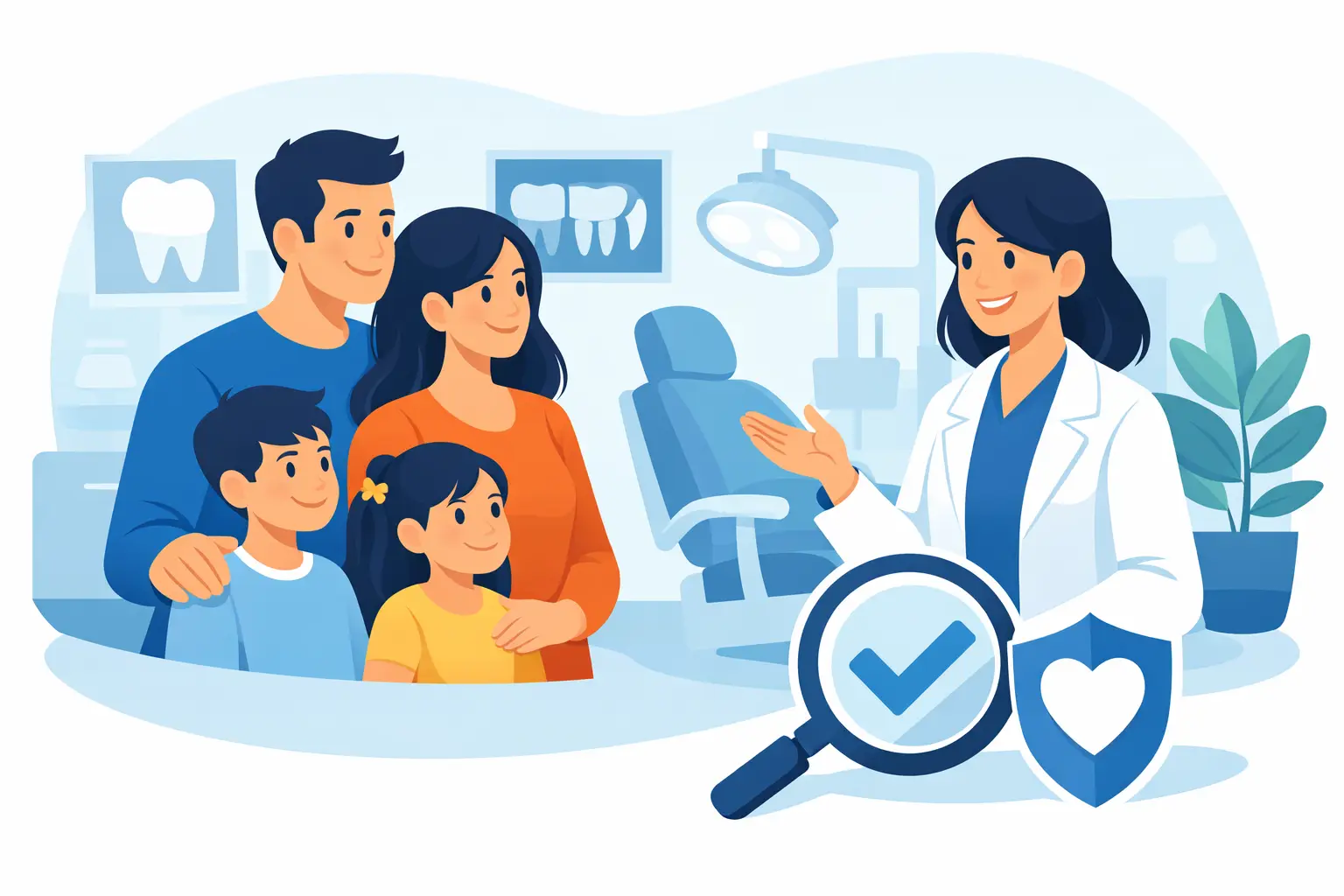
A family dentist becomes part of your household’s healthcare routine. They are the person your child sees for a first cleaning, the clinician you call when a crown breaks before work, and the trusted guide who helps you make decisions about your smile over time. Knowing how to choose a family dentist means looking beyond the closest office or the first name your insurance plan provides.
The right practice should make preventive care easier, explain treatment without pressure, and be ready when a routine visit turns into an urgent concern. For families in Norristown and the surrounding area, convenience matters, but comfort, communication, and clinical capability matter just as much.
Start With the Needs of Your Whole Household
A family dental practice should be able to care for patients at different stages of life. A young child may need a gentle introduction to dental visits and cavity prevention. A teenager may need orthodontic guidance. Adults may be managing gum health, worn teeth, cosmetic goals, or missing teeth. Older relatives may need crowns, dentures, implants, or more frequent periodontal care.
Ask whether the practice provides comprehensive care in one location. Cleanings, exams, fillings, crowns, root canals, extractions, pediatric care, gum treatment, and emergency dentistry are common needs that can arise over the years. A broad range of services can reduce the need to send family members to multiple unfamiliar offices for routine or time-sensitive treatment.
That does not mean every case should be handled without a referral. Some complex conditions benefit from a specialist’s focused expertise. What matters is that your dentist can identify when specialty care is appropriate, coordinate it clearly, and continue to support your long-term oral health afterward.
Look for a Dentist Who Listens Before Recommending Treatment
Clinical skill is essential, but a good family dentist also takes time to understand your concerns. During a first visit, notice whether the dentist asks about your goals, medical history, past dental experiences, and any anxiety you may have. Those questions are not small talk. They help shape safer, more personalized care.
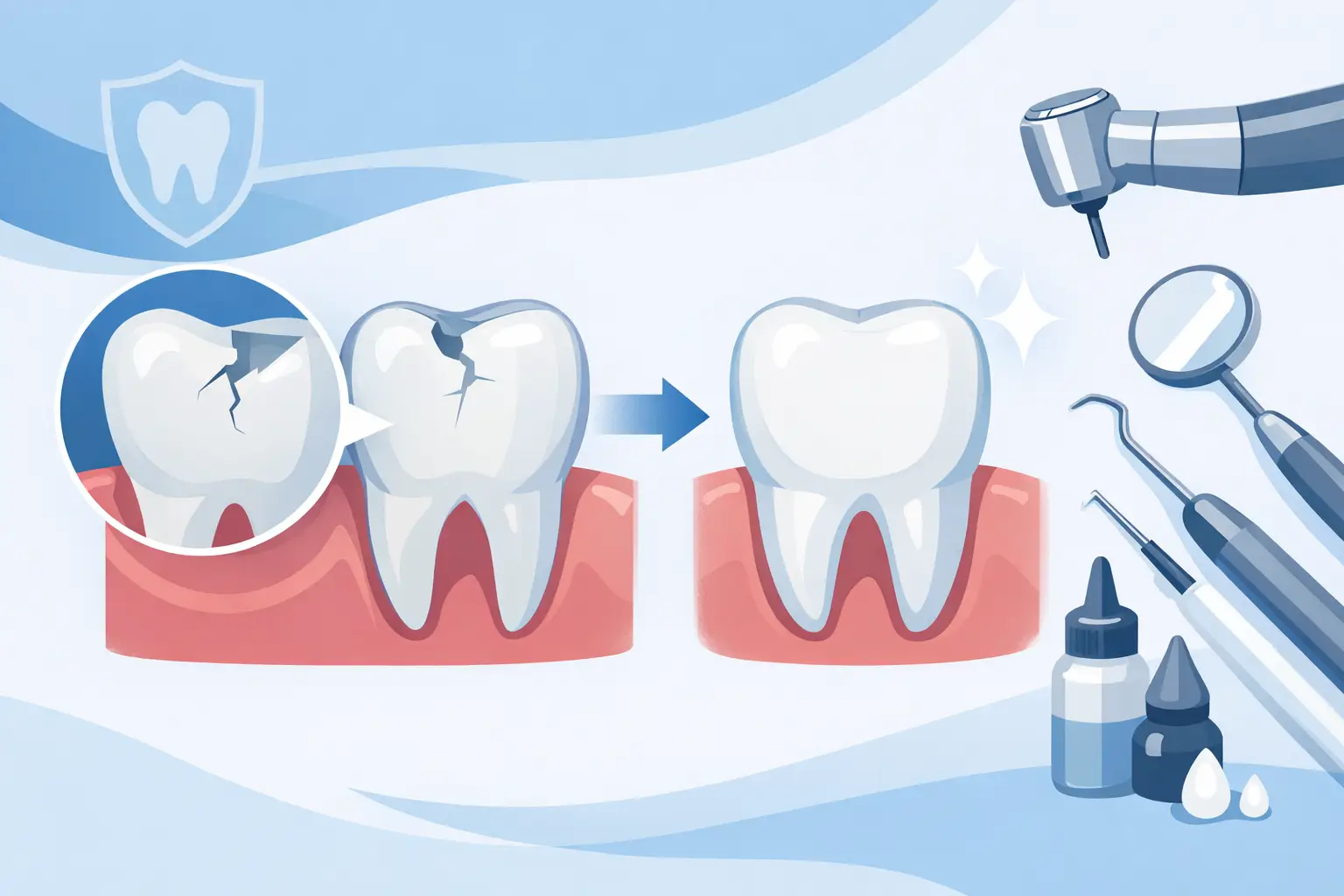
You should leave an exam with a clear understanding of what was found, why treatment may be recommended, and what your options are. For example, a damaged tooth may need a crown soon, while a small area of wear may simply need monitoring. The best next step depends on the tooth, your symptoms, your budget, and the likely outcome if you wait.
Be cautious if you feel rushed, dismissed, or pressured to agree to treatment you do not understand. A trustworthy practice welcomes questions about benefits, risks, timing, costs, and alternatives. Dentistry should feel like a conversation, not a sales presentation.
Questions Worth Asking at a First Visit
A short conversation can reveal a great deal about an office’s approach. Ask how the team handles dental anxiety, what happens if you have a same-day emergency, and whether they offer treatment options for different budgets. You can also ask how they communicate findings, whether they use digital imaging or intraoral cameras, and how they help patients understand a proposed treatment plan.
Pay attention to the answers as well as the tone. Clear, respectful explanations are a strong sign that the practice values a lasting relationship.
Consider Comfort, Especially for Anxious Patients and Children
Many people avoid dental appointments because of a difficult experience in the past. Children can also absorb a parent’s nervousness, which makes the office environment especially meaningful for families. A caring dental team does not treat fear as an inconvenience. They recognize it and help patients feel more in control.
Look for signs of a patient-centered environment: a welcoming team, calm communication, unrushed appointments when possible, and a willingness to explain each step before beginning. For patients with significant anxiety or those having more involved procedures, ask whether sedation dentistry is available and how the dentist determines whether it is appropriate.
Comfort is not only about the waiting room. It is also about knowing you can pause, ask a question, or speak up if something does not feel right. Children benefit from the same respect. A dentist who helps a child build confidence early can make routine care far less stressful in the years ahead.
Check for Modern Technology and a Commitment to Quality
Technology does not replace careful clinical judgment, but it can make diagnosis and treatment more precise and comfortable. Digital X-rays can provide detailed images with efficient processing. Intraoral cameras can help you see what your dentist sees. Digital scanning may make certain restorations and orthodontic treatment more comfortable than traditional impressions.
Ask how the practice stays current with continuing education and treatment techniques. Dentistry changes over time, from materials used for restorations to approaches for gum care, implants, and clear aligner treatment. A dentist who invests in training and modern tools is better positioned to discuss current options honestly.
Still, do not choose an office based on technology alone. The most advanced equipment is only helpful when paired with a skilled team that uses it thoughtfully. You want both: modern capabilities and a clinician who explains whether a particular tool or procedure is truly needed for you.
Make Sure Access Works in Real Life
For busy families, a dental office needs to fit into a packed calendar. Consider location, appointment availability, parking, office hours, and the ability to schedule family members efficiently. A practice near home, school, or work may make it easier to keep regular cleanings instead of postponing them for months.
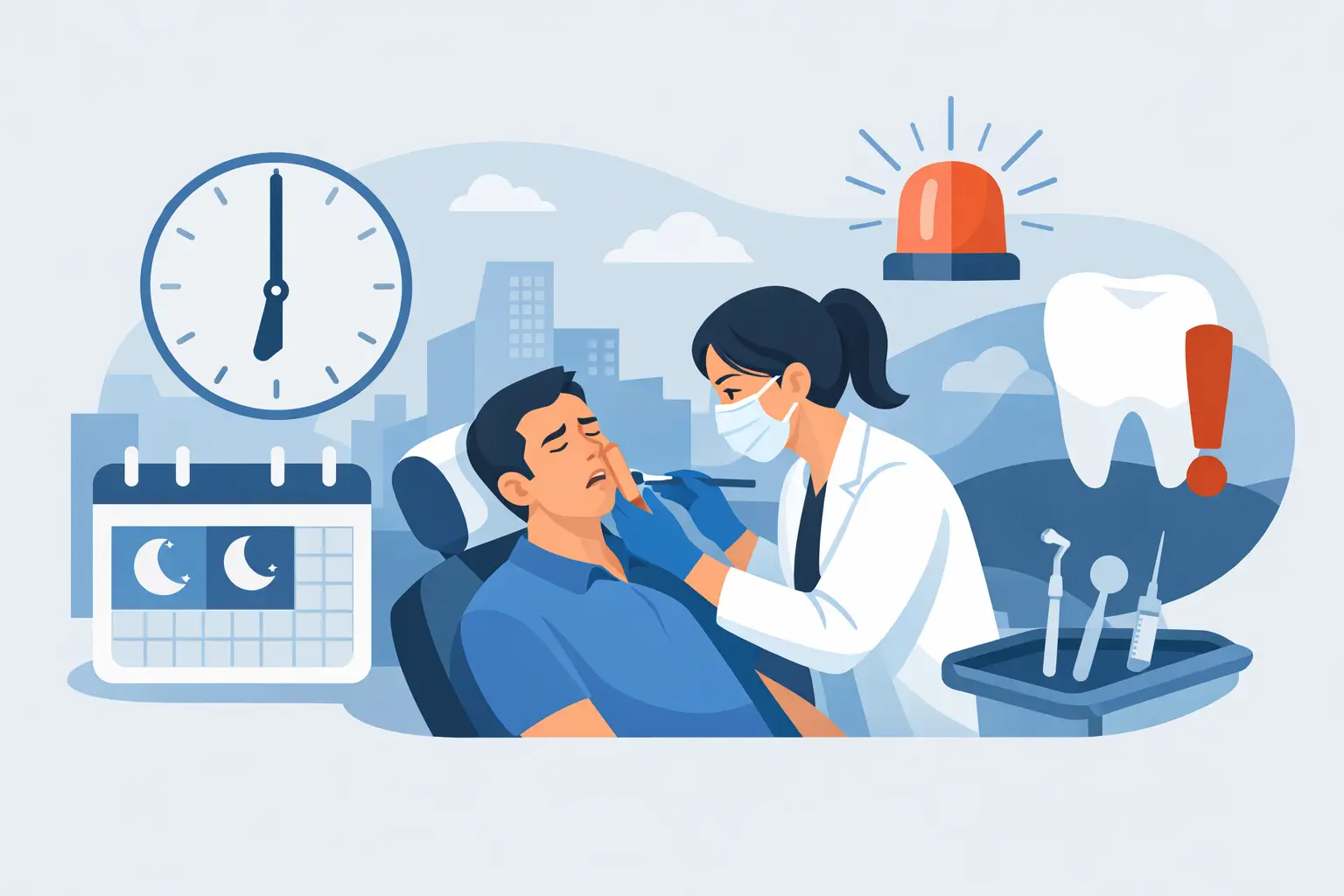
Emergency availability deserves special attention. Toothaches, cracked teeth, lost fillings, and dental injuries rarely happen at convenient times. Ask what the office does when an urgent concern arises. Can they offer same-day care when possible? Is there guidance for after-hours dental emergencies? A dependable answer can bring real peace of mind.
Continuity also matters. Seeing the same dental team over time helps them recognize changes in your oral health and understand your preferences. It can be reassuring for children, older adults, and anyone who feels uneasy about dental care.
Understand Insurance, Costs, and Payment Options
Dental care should be transparent before treatment begins. Confirm whether the practice accepts your insurance plan, but remember that being in-network is not the only factor. An in-network office may be convenient, while an out-of-network provider may still be a good fit depending on your benefits and the care you need.
Ask the office to explain estimated out-of-pocket costs before non-emergency treatment. If a recommended plan includes several steps, ask whether the work can be phased over time without compromising your health. Some concerns require prompt attention, while others can be planned around your schedule and finances.
A family-friendly practice should be willing to discuss financing or payment options with discretion and clarity. You should never have to guess what a procedure is expected to cost or feel embarrassed for asking.
Read Reviews, Then Trust Your Own Experience
Patient reviews can help you identify patterns. Look for comments about kindness, thorough explanations, gentle care, wait times, emergency responsiveness, and how the office works with children or anxious patients. A single negative review does not always tell the full story, but repeated concerns about communication or surprise bills deserve attention.
Then schedule a visit and form your own impression. Is the office clean and organized? Does the front desk team treat you with respect? Does the clinical team explain what they are doing? Are your concerns taken seriously? These details often tell you more than a list of services ever could.
At Amor Dental Arts, families can find comprehensive care designed around both oral health and personal comfort, from routine prevention to advanced restorative and emergency treatment. The goal is not simply to complete a procedure, but to help each patient feel informed, cared for, and confident about what comes next.
Choosing a dental home is a decision that can make routine care easier and unexpected problems less overwhelming. Give yourself permission to ask questions, compare your options, and choose the practice where your family feels heard. The right relationship can help protect more than smiles – it can make caring for them feel manageable for years to come.