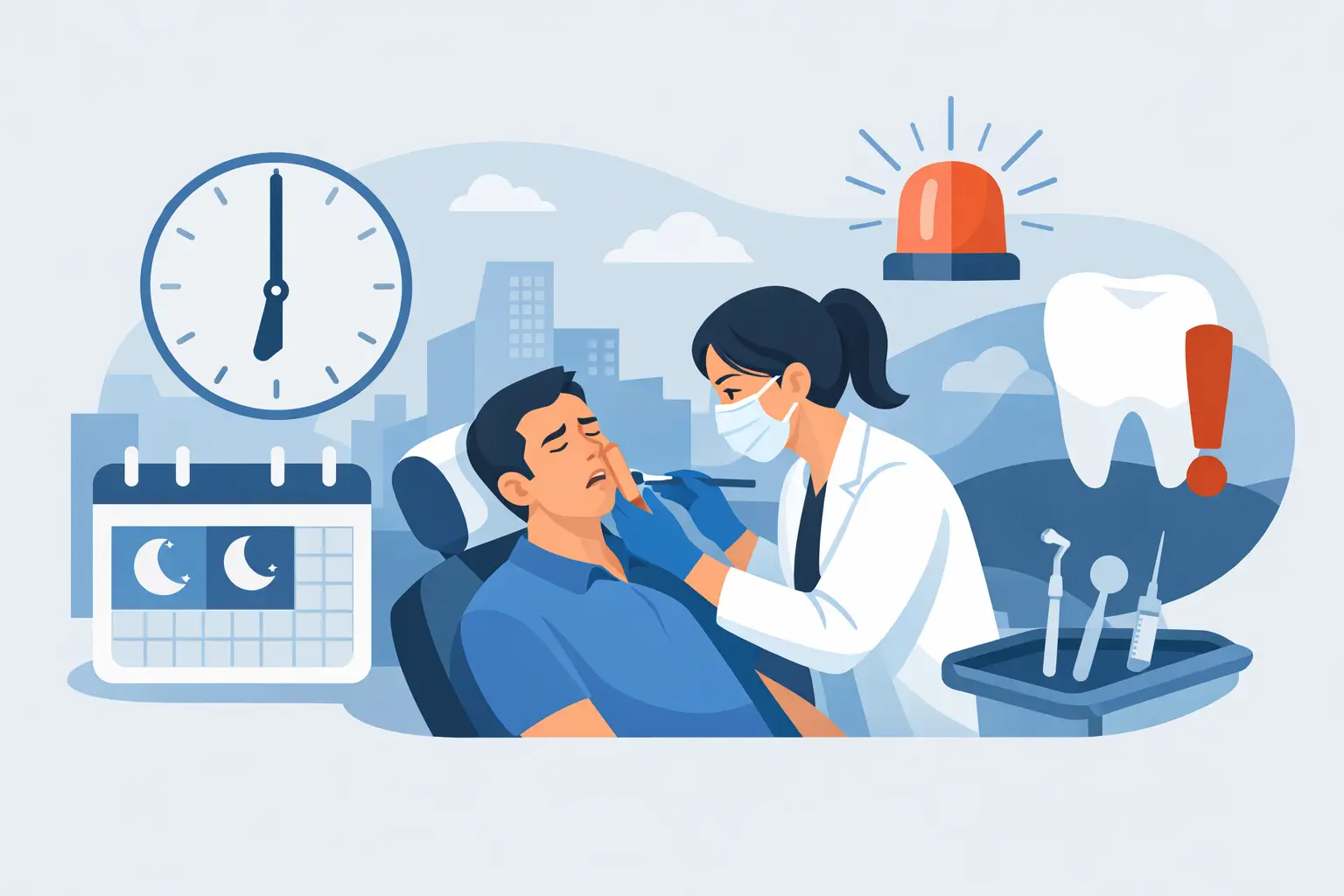
A cracked tooth during Saturday lunch, a child’s knocked-out tooth at a game, or swelling that worsens overnight can make waiting until Monday feel impossible. A weekend emergency dental appointment is designed for those moments when prompt care can relieve pain, protect a tooth, and prevent a small problem from becoming a more complicated one.
Dental emergencies are stressful, especially when you are unsure whether the situation can wait. The right next step depends on your symptoms, how the injury happened, and whether there are signs of a broader medical emergency. A caring dental team can help you understand what needs immediate attention and what you can safely manage until the office can see you.
When to Seek a Weekend Emergency Dental Appointment
Not every dental concern requires urgent treatment, but severe pain, trauma, infection, or uncontrolled bleeding should never be ignored. Calling a dental office as soon as symptoms begin gives the team the best chance to guide you appropriately and preserve your treatment options.
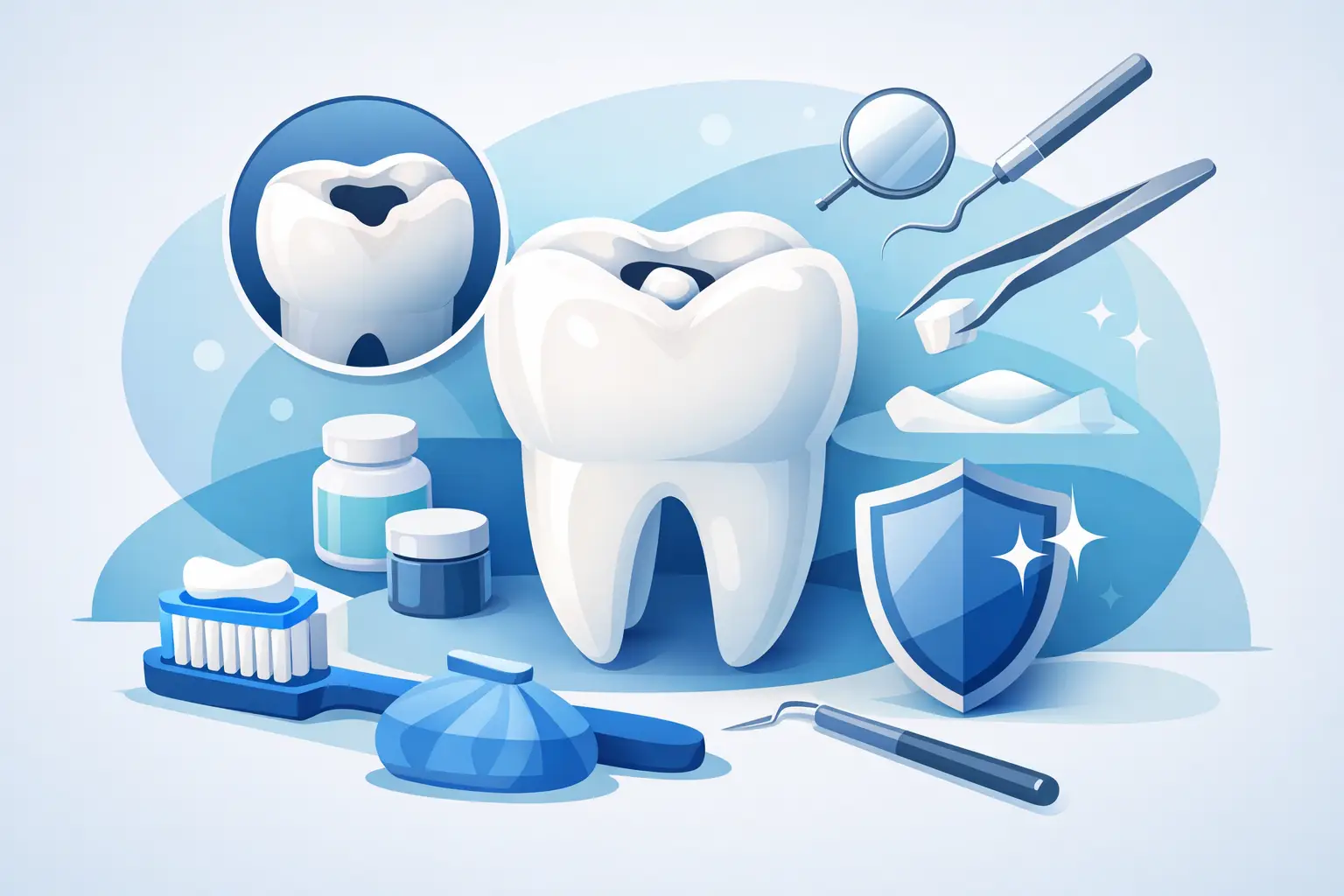
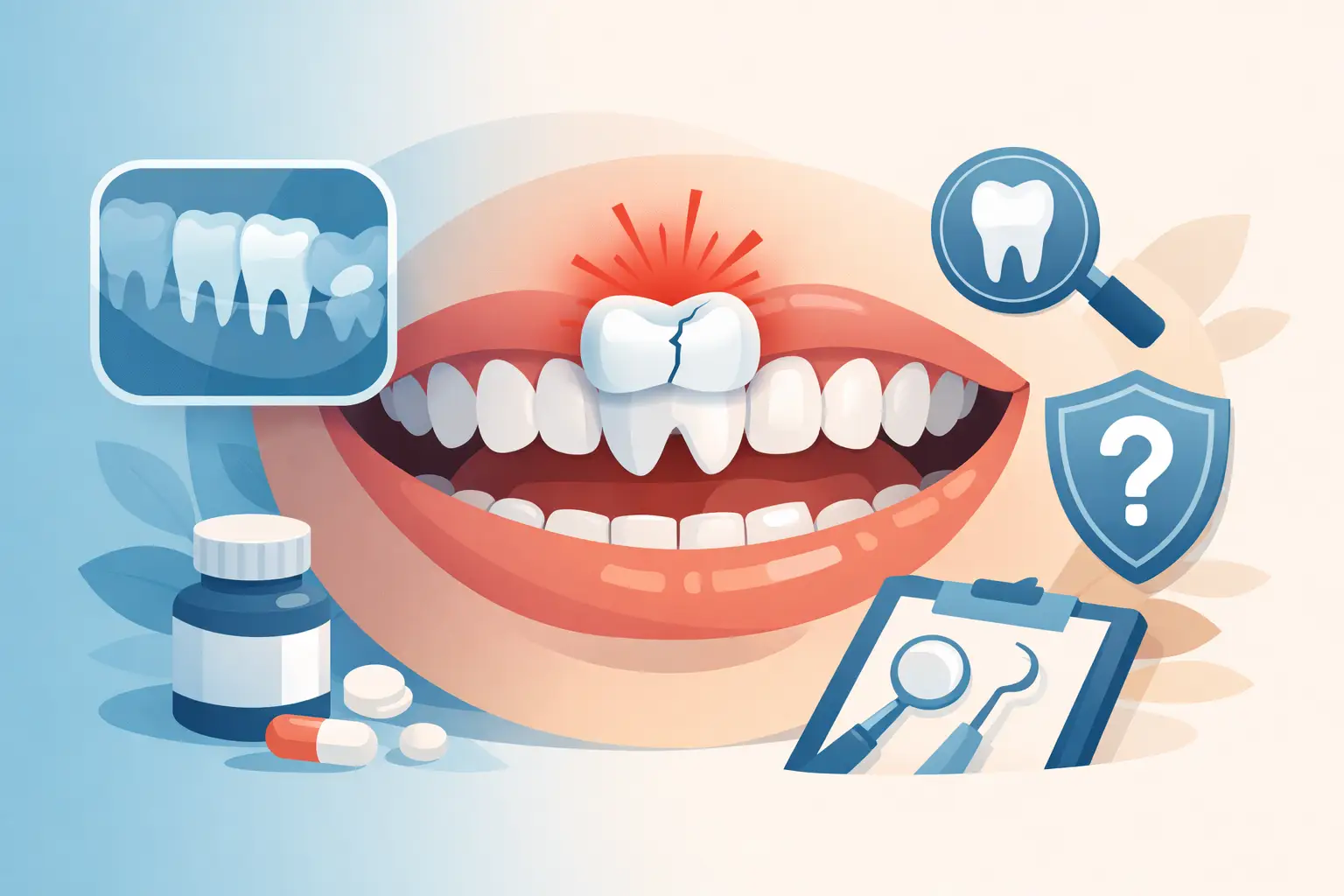
A weekend emergency dental appointment may be needed if you have intense or persistent tooth pain that interferes with sleep, eating, or normal activities. Pain can come from deep decay, a cracked tooth, an exposed nerve, or an infection. Pain medicine may dull the discomfort for a few hours, but it does not resolve the underlying cause.
Facial swelling, gum swelling, a pimple-like bump near a tooth, or a bad taste in the mouth can point to an abscess or other dental infection. These conditions require timely professional evaluation. Infection can spread beyond the tooth, and delaying care may make treatment more involved.
Dental trauma also deserves quick attention. This includes a tooth that has been knocked out, pushed out of position, loosened, chipped significantly, or broken below the gumline. For a knocked-out permanent tooth, time matters. The sooner it is assessed, the better the chance of saving it.
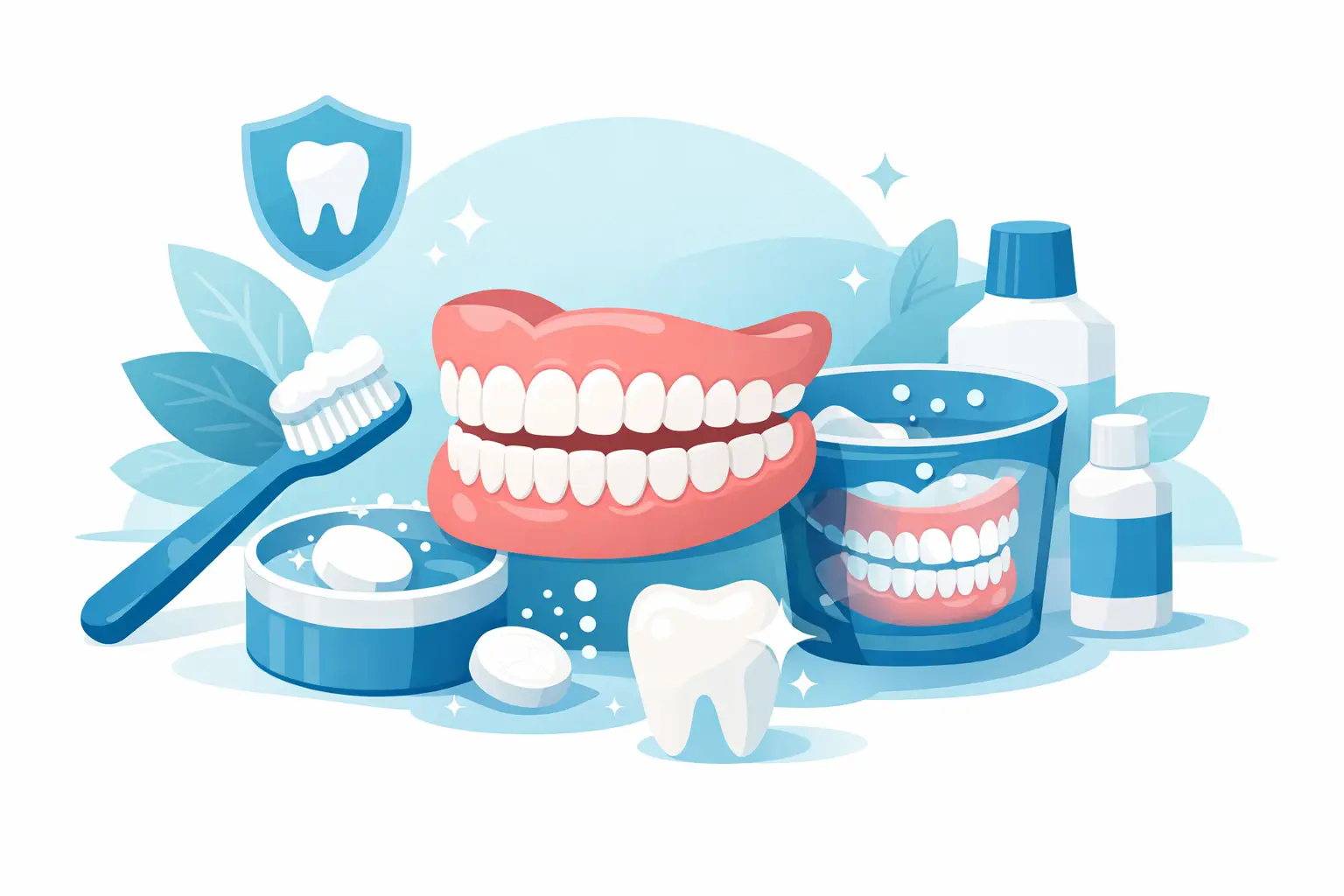
Other common urgent concerns include a lost filling or crown that leaves a tooth painful or sharp, bleeding that does not stop with steady pressure, and a broken denture that affects your ability to eat or speak. A lost crown is not always an emergency, but it becomes more urgent when the remaining tooth is sensitive, fractured, or at risk of further damage.
When symptoms require medical emergency care
Some symptoms go beyond dental care alone. Call 911 or go to the nearest emergency room if swelling affects your ability to breathe or swallow, spreads rapidly toward the eye or neck, or is accompanied by confusion, fainting, or a high fever. Seek emergency medical help as well for a serious injury to the face or jaw, heavy bleeding that will not stop, or suspected head trauma.
An emergency room can help stabilize serious infections, breathing concerns, and trauma. However, most hospitals cannot provide definitive dental treatment such as a root canal, crown repair, or tooth reimplantation. Follow-up with a dentist is still essential once you are medically stable.
What to Do Before You Are Seen
The goal at home is simple: protect the area, manage discomfort safely, and avoid making the injury worse. Do not place aspirin directly on a tooth or gums. It can burn soft tissue and will not treat the source of the pain.
For a toothache, gently rinse with warm salt water and floss carefully around the sore tooth in case food is trapped. A cold compress against the outside of the cheek can reduce swelling and discomfort. Use over-the-counter pain medication only as directed on the label and only if it is safe for you based on your health history and other medications.
If a tooth breaks, save any pieces you can find. Rinse your mouth with warm water, cover sharp edges with dental wax if available, and avoid chewing on that side. A temporary dental repair product from a pharmacy may offer short-term protection for a lost filling or crown, but it is not a substitute for a professional repair.
If a permanent tooth is knocked out, handle it only by the crown, which is the part normally visible above the gums. Do not scrub the root. If it is dirty, rinse it briefly with milk or clean water, then try to place it back into the socket if you can do so gently. If that is not possible, keep the tooth moist in a container of milk or in saliva inside the cheek if the person is old enough to do so safely. Do not store it in plain water. Contact a dentist immediately.
For a bitten lip, tongue, or cheek, apply gentle pressure with clean gauze or cloth. A cold compress can help control swelling. If bleeding is heavy, the cut is deep, or there is concern about a head injury, seek emergency medical care.
What Happens at an Emergency Dental Visit
Urgent dental care should feel focused, calm, and clear. Your dentist will first ask about your symptoms, medical history, and how the problem started. Digital X-rays or other imaging may be needed to assess the tooth, root, bone, or surrounding tissues.
The immediate priority is often to get you comfortable and stop the problem from progressing. Depending on the diagnosis, treatment may involve smoothing or protecting a fractured tooth, replacing a filling, reattaching or temporarily securing a crown, draining an infection, starting root canal treatment, or removing a tooth that cannot be saved. For a dislodged tooth, the dentist may reposition it and place a stabilizing splint.
Sometimes the safest plan is temporary treatment followed by a longer appointment during regular office hours. For example, a painful tooth may need medication and a protective restoration before root canal treatment or a crown can be completed. This is not a delay in care. It is a thoughtful approach that addresses the immediate concern while allowing the final treatment to be planned properly.
At Amor Dental Arts, emergency care is approached with the same attention given to routine family dentistry: listening carefully, explaining the findings plainly, and helping patients feel comfortable with each decision. For anxious patients, knowing what will happen before treatment begins can make an urgent visit far less overwhelming.
How to Prepare When You Call
When you contact a dental office, explain what happened, when it started, and whether symptoms are getting worse. Mention swelling, fever, bleeding, trauma, a knocked-out tooth, medication allergies, and any health conditions that may affect treatment. If possible, have your dental insurance information available, but do not let uncertainty about coverage stop you from calling about a true emergency.
Taking a clear photo of a broken tooth, swelling, or a lost restoration can sometimes help the dental team understand the situation before your visit. It is also helpful to bring any broken tooth pieces, a crown, a denture, or a removable appliance with you.
If pain is severe, arrange for someone else to drive you when possible. This is especially wise if you have taken medication that can cause drowsiness or if sedation may be part of the treatment plan. Parents should also keep a close eye on children after a dental injury, since younger patients may not be able to describe pain or changes in symptoms clearly.
Preventing the Next Dental Emergency
Some emergencies are impossible to predict, but routine care reduces many avoidable problems. Regular exams can identify worn fillings, cracks, decay, gum disease, and failing crowns before they cause a weekend crisis. A custom mouthguard can also protect teeth for children and adults who play contact sports or grind their teeth at night.
If you have a temporary crown, a loose restoration, or a tooth that has started to ache, scheduling care before the weekend is usually the better choice. Avoid chewing ice, hard candy, popcorn kernels, and other foods that can fracture weakened teeth. For people who clench or grind, treating the habit can protect both natural teeth and dental work.
When a dental problem disrupts your weekend, you do not need to guess your way through it. Call promptly, describe your symptoms honestly, and let a dental professional help you choose the safest next step. Early care can bring relief today while protecting your smile for the days ahead.