Bleeding when you brush is easy to dismiss, especially when mornings are rushed or you have not seen a dentist in a while. But healthy gums generally do not bleed with gentle brushing or flossing. Learning how to prevent gum disease starts with recognizing that small changes in your mouth deserve attention before they become painful, expensive, or harder to treat.
Gum disease is common, but it is not something you have to accept as part of getting older. Consistent home care, regular professional cleanings, and early support when symptoms appear can protect the tissues that hold your teeth in place.
What Gum Disease Looks Like in Its Early Stages
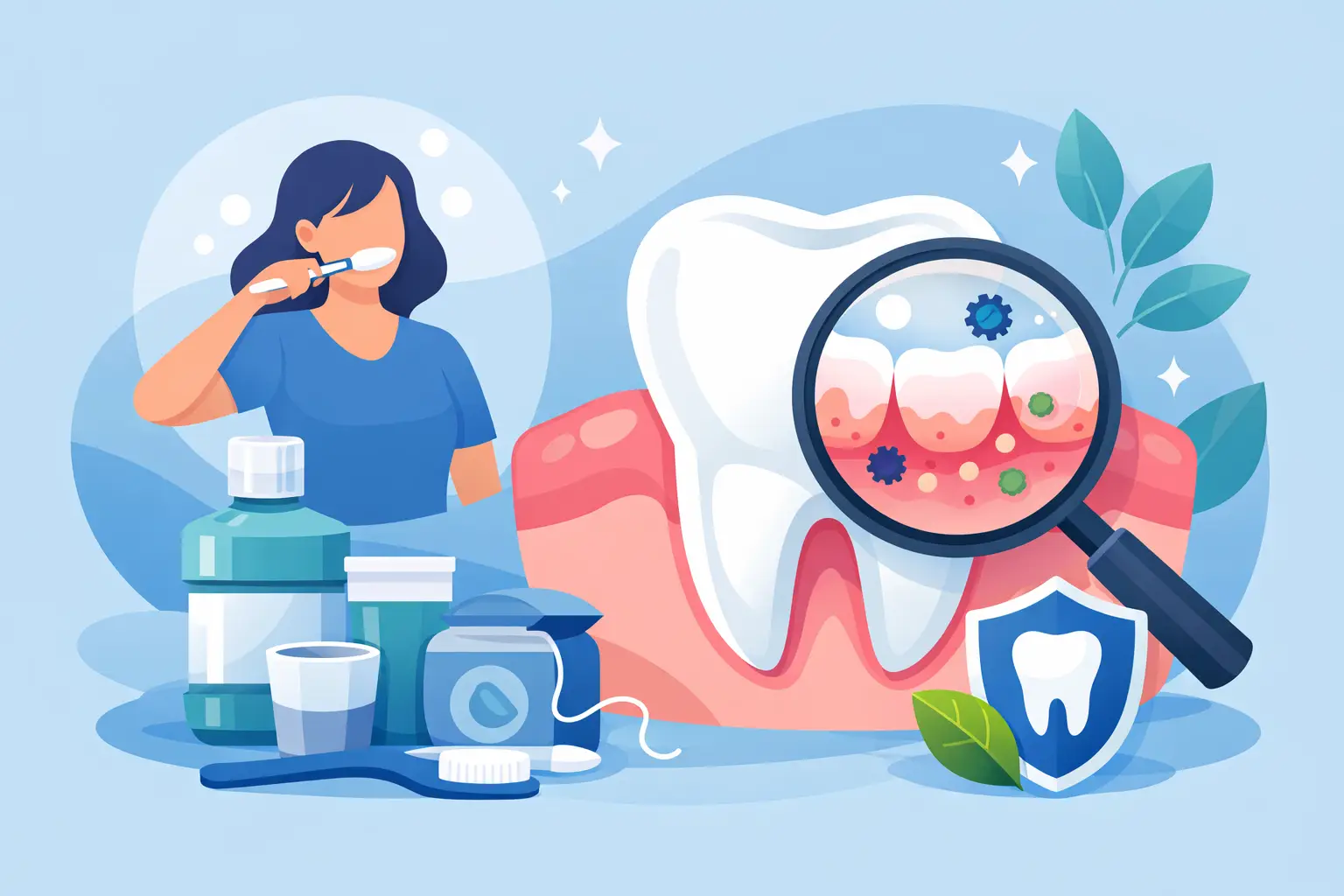
Gum disease begins when plaque, a sticky film of bacteria, remains along and below the gumline. If it is not removed thoroughly, the gums can become irritated and inflamed. This early stage, called gingivitis, may cause redness, tenderness, swelling, persistent bad breath, or blood in the sink after brushing.
At this point, the condition is often reversible with better plaque removal and a professional cleaning. The concern is what happens if inflammation continues. Gingivitis can progress to periodontitis, a more serious infection that can damage the bone and connective tissues supporting your teeth. Gums may pull away from teeth, teeth can feel loose, and tooth loss can become a real risk.
The encouraging news is that prevention is largely about everyday habits done well, not complicated routines or harsh products.
How to Prevent Gum Disease at Home
The most effective routine is one you can maintain every day. Brushing quickly once in the morning is not enough to consistently remove plaque where gum disease starts.
Brush twice a day, gently and thoroughly
Brush for two full minutes in the morning and before bed with a soft-bristled toothbrush and fluoride toothpaste. Angle the bristles gently toward the gumline, then use small circular motions around every tooth. The goal is to clean the edge where tooth and gum meet without scrubbing aggressively.
Hard brushing does not mean better cleaning. In fact, a heavy hand or stiff brush can irritate gums and contribute to gum recession over time. An electric toothbrush can be helpful for many patients because its timer and small brush head make it easier to clean consistently, but a manual toothbrush works well when used carefully.
Replace your toothbrush or electric brush head about every three months, or sooner if the bristles are frayed. Bent bristles cannot clean as effectively and may be a sign that you are brushing too forcefully.
Clean between your teeth every day
A toothbrush cannot reach many of the tight spaces between teeth. Daily interdental cleaning is one of the most meaningful steps you can take for your gums. Traditional floss is effective when it is guided gently below the gumline and curved around each side of the tooth.
If floss feels difficult because of crowded teeth, braces, bridges, or limited hand mobility, ask your dental team about alternatives. Interdental brushes, floss holders, and water flossers can make the habit more manageable. A water flosser can be especially useful around dental work or orthodontic appliances, although it may not replace string floss for every patient. The best option is the one that cleans your specific mouth well enough to become a daily routine.
Do not stop flossing just because your gums bleed at first. Bleeding can be a sign of inflammation from plaque buildup. With gentle, consistent cleaning, mild bleeding often improves. If it continues for more than a week or two, schedule an exam rather than waiting it out.
Pay attention to dry mouth, tobacco, and diet
Saliva helps rinse away food particles and buffer acids in the mouth. Dry mouth can therefore increase the risk of plaque buildup, cavities, and gum problems. It may be related to medications, medical conditions, mouth breathing, dehydration, or tobacco use. Sip water regularly, and let your dentist know if your mouth often feels dry, sticky, or uncomfortable.
Smoking and other tobacco use can make gum disease more likely and can mask a key warning sign: bleeding. Tobacco also makes it harder for gums to heal after treatment. Quitting can be challenging, but it is one of the strongest decisions you can make for your oral and overall health.
Your food choices matter, too. Frequent sugary snacks and drinks feed the bacteria in plaque. You do not need a perfect diet to have healthy gums, but limiting all-day sipping on sweetened beverages and choosing water between meals reduces the amount of time your teeth and gums are exposed to sugar. Crisp produce, protein-rich foods, and balanced meals also support overall health, which is closely connected to gum health.
Professional Care Catches What Home Care Misses
Even excellent brushing and flossing cannot remove hardened tartar once it forms. Tartar collects plaque more easily and needs to be removed with professional instruments during a dental cleaning.
For many people, preventive visits every six months are appropriate. Others need a different schedule because of a history of gum disease, diabetes, dry mouth, pregnancy-related gum changes, tobacco use, or difficulty cleaning around restorations and orthodontic appliances. There is no single interval that fits every patient. Your dentist can recommend a schedule based on the health of your gums and your personal risk factors.
At a routine visit, your dental team can measure the spaces between your gums and teeth, look for recession or inflammation, check areas that are difficult for you to see, and remove plaque and tartar. These appointments are not just about polishing teeth. They are an opportunity to catch changes before they affect the foundation of your smile.
Know When to Call the Dentist
Gum disease is often painless in its early stages, which is why waiting for a toothache is not a reliable strategy. Make an appointment if you notice bleeding that does not improve, swollen or tender gums, bad breath that persists despite cleaning, gums that seem to be pulling back, pus near the gums, a change in your bite, or a loose tooth.
If you have diabetes, are pregnant, take medications that cause dry mouth, or have previously been treated for periodontal disease, be especially proactive. These factors do not guarantee a problem, but they can change how closely your gums need to be monitored.
For patients who feel nervous about dental visits, avoiding care can turn a small concern into a larger one. A caring dental office should explain what it sees, discuss options without pressure, and help you move at a comfortable pace. At Amor Dental Arts, that means pairing preventive care with clear guidance and a compassionate approach for every member of the family.
A Routine Worth Protecting
Healthy gums are built in ordinary moments: the two minutes you spend brushing before bed, the extra minute to clean between teeth, and the appointment you keep even when nothing hurts. Start with the habit that feels most realistic today, then make it consistent. If your gums are bleeding, sore, or changing in appearance, a prompt dental visit can give you clarity and help protect your smile for years to come.