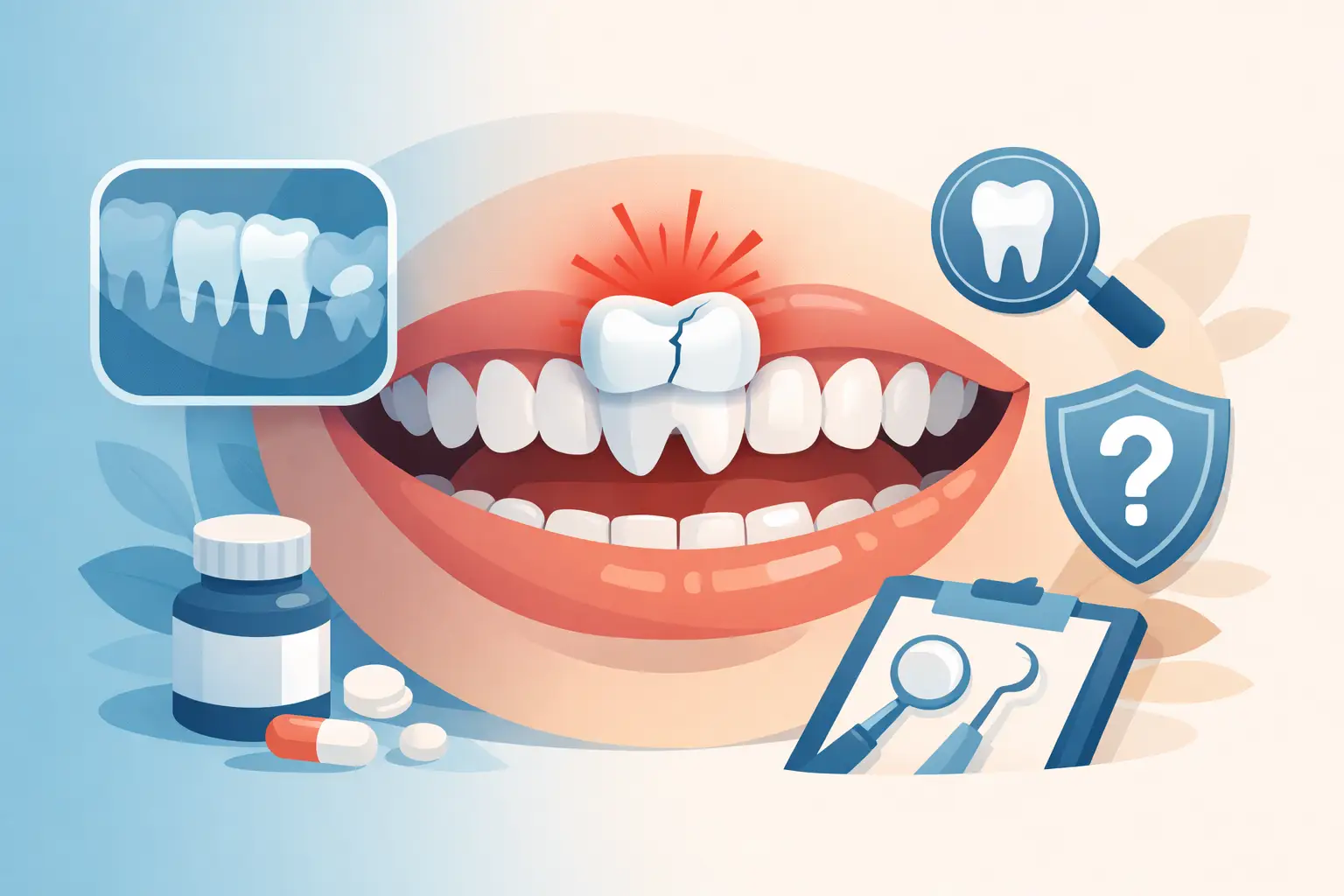
A chipped tooth can happen in one quick moment – biting an unpopped popcorn kernel, taking a fall, or catching an elbow during a game. If you are wondering how to fix a chipped tooth, the first priority is protecting the tooth and getting a clear diagnosis. Even a chip that looks minor can leave a sharp edge, expose a sensitive area, or weaken the tooth over time.
The reassuring news is that dentists can repair many chipped teeth comfortably and often with conservative treatment. What is right for you depends on the size and location of the chip, whether the tooth is painful, and whether the nerve or root has been affected.
What to Do Right After a Tooth Chips
Start by rinsing your mouth gently with warm water. This clears away small fragments and helps you see whether there is bleeding, swelling, or a deeper break. If you can find the broken piece of tooth, place it in a clean container with milk or saliva and bring it to your appointment. In some situations, your dentist may be able to use the fragment.
If the edge is cutting your tongue, cheek, or lip, cover it temporarily with dental wax. Sugar-free gum can work briefly if wax is not available, but do not use it as a long-term solution. Avoid chewing on that side of your mouth, and choose soft foods until the tooth is evaluated.
For discomfort, an over-the-counter pain reliever may help when taken as directed on the label. A cold compress on the outside of the cheek can reduce swelling after an injury. Do not place aspirin directly on the tooth or gums, since it can irritate soft tissue.
Just as important, do not try to repair the chip with household glue, nail adhesive, or a DIY filling kit. These materials are not safe for oral use and can make professional treatment more difficult. A smooth-looking home repair can also hide a crack that needs attention.
When a Chipped Tooth Is an Emergency
Not every chip requires an emergency visit, but some signs should be addressed promptly. Contact a dentist right away if you have severe or worsening pain, uncontrolled bleeding, facial swelling, a loose tooth, a tooth that has changed color, or a large section missing. The same applies if the chip happened during a significant fall, car accident, or sports injury.
A broken tooth with a visible red or pink center may have pulp exposure. The pulp contains nerves and blood vessels, and timely care can make a meaningful difference in protecting the tooth. If a tooth has been completely knocked out, handle it only by the crown, gently rinse it if dirty, and seek emergency dental care immediately.
Even without intense pain, schedule a dental visit soon. Small cracks can spread under bite pressure, and a chipped edge can irritate the tongue or cause you to change the way you chew. Early treatment is usually simpler than waiting for a small problem to become a larger fracture.
How Dentists Fix a Chipped Tooth
Your dentist will first examine the tooth, your bite, and the surrounding gums. X-rays may be recommended if there is concern about a crack below the gumline, root injury, or nerve involvement. From there, treatment is selected to preserve as much healthy tooth structure as possible while restoring strength and appearance.
Smoothing and reshaping
For a very small chip, polishing or reshaping the edge may be enough. This is often a quick, comfortable option when the tooth is otherwise healthy and the missing area does not affect how your teeth meet. The trade-off is that reshaping removes a small amount of enamel, so it is best suited to minor irregularities.
Dental bonding
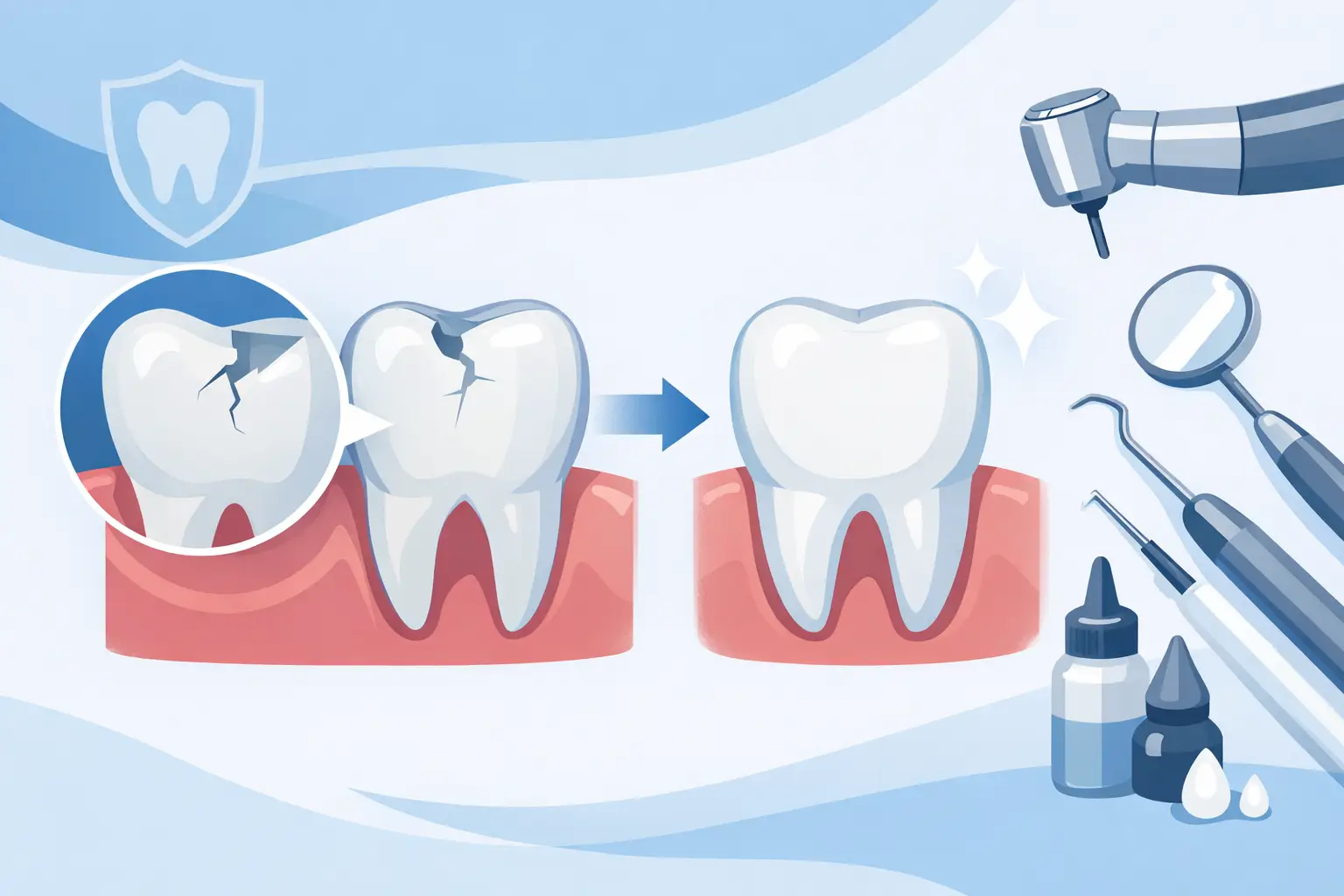
Composite bonding is one of the most common answers to how to fix a chipped tooth, especially on front teeth. Your dentist applies a tooth-colored resin, shapes it to match the natural contour of your tooth, and hardens it with a curing light. It can usually be completed in one visit and is a conservative way to restore a natural-looking smile.
Bonding is durable, but it is not indestructible. It can stain or chip over time, particularly if you bite pens, chew ice, or grind your teeth. For many patients, however, it offers an excellent balance of appearance, speed, and affordability.
Veneers
A veneer is a thin, custom-made covering bonded to the front surface of a tooth. It may be recommended when a front tooth has a more noticeable chip, an uneven shape, or additional cosmetic concerns such as discoloration. Veneers can create a highly polished result, but they typically involve more planning and tooth preparation than bonding.
Dental crowns
When a large portion of the tooth is missing or the remaining tooth structure is weak, a crown may provide better protection. A crown covers the tooth and helps it withstand normal biting forces. This option is commonly used for back teeth, where chewing pressure is greatest, although it can also restore severely damaged front teeth.
Root canal treatment and restoration
If a chip extends into the pulp, bacteria and inflammation can lead to significant pain or infection. Root canal treatment removes the damaged pulp, cleans the inside of the tooth, and seals it. The tooth is then restored, often with a crown, so it can continue to function. While the phrase “root canal” can sound intimidating, modern techniques and local anesthesia are designed to keep treatment comfortable.
Can a Chipped Tooth Heal on Its Own?
Unlike skin or bone, tooth enamel does not grow back. A tiny chip may stop causing symptoms, but it does not truly repair itself. The good news is that enamel is the hardest substance in the body, and a dentist can often protect a small chip before it progresses.
Some people notice sensitivity to cold drinks, sweets, or air after a chip. This can happen when enamel loss exposes the layer beneath it, called dentin. Sensitivity may fade, but it is still worth having the tooth checked, particularly if it lingers, worsens, or appears when biting down.
Protecting Your Teeth After Repair
Once your tooth has been repaired, a few habits can help the result last. Avoid using your teeth to open packages, cut fishing line, or hold objects. Be cautious with ice, hard candy, popcorn kernels, and other hard foods. If you play contact sports, wear a properly fitted mouthguard.
Teeth grinding is another common reason restorations chip or crack. Morning jaw soreness, headaches, worn tooth edges, or a partner noticing nighttime grinding are all reasons to ask about a custom night guard. Your dentist can also check whether your bite is placing uneven pressure on a repaired tooth.
Routine checkups matter because they give your dental team a chance to monitor bonding, crowns, and veneers before a small wear issue turns into a sudden break. Good home care – brushing twice daily with fluoride toothpaste, cleaning between teeth, and keeping regular exams – supports both your natural enamel and any dental restoration.
Get a Clear Answer, Not a Guess
A chipped tooth is not something you need to manage alone or ignore because it does not hurt yet. At Amor Dental Arts, families in Norristown can receive compassionate, comprehensive care that starts with listening to what happened and explaining the options clearly. Whether the solution is simple smoothing, same-day bonding, or a more protective restoration, timely care can help you smile, eat, and speak with confidence again.
If a tooth chips, protect the area, save any fragment you can find, and arrange a dental evaluation as soon as possible. A calm, early response gives your tooth the best chance for a comfortable and lasting repair.