A pink streak in the sink after brushing can be easy to dismiss, especially when life is busy. But if you are wondering what causes bleeding gums, the most common answer is gum inflammation – and catching it early can often make treatment simpler, more comfortable, and more affordable.
Healthy gums should not regularly bleed when you brush, floss, or eat. An occasional spot of blood after flossing an area you have neglected may improve within several days of consistent gentle cleaning. Bleeding that keeps returning, however, deserves a conversation with your dentist.
The Most Common Cause of Bleeding Gums: Plaque Buildup
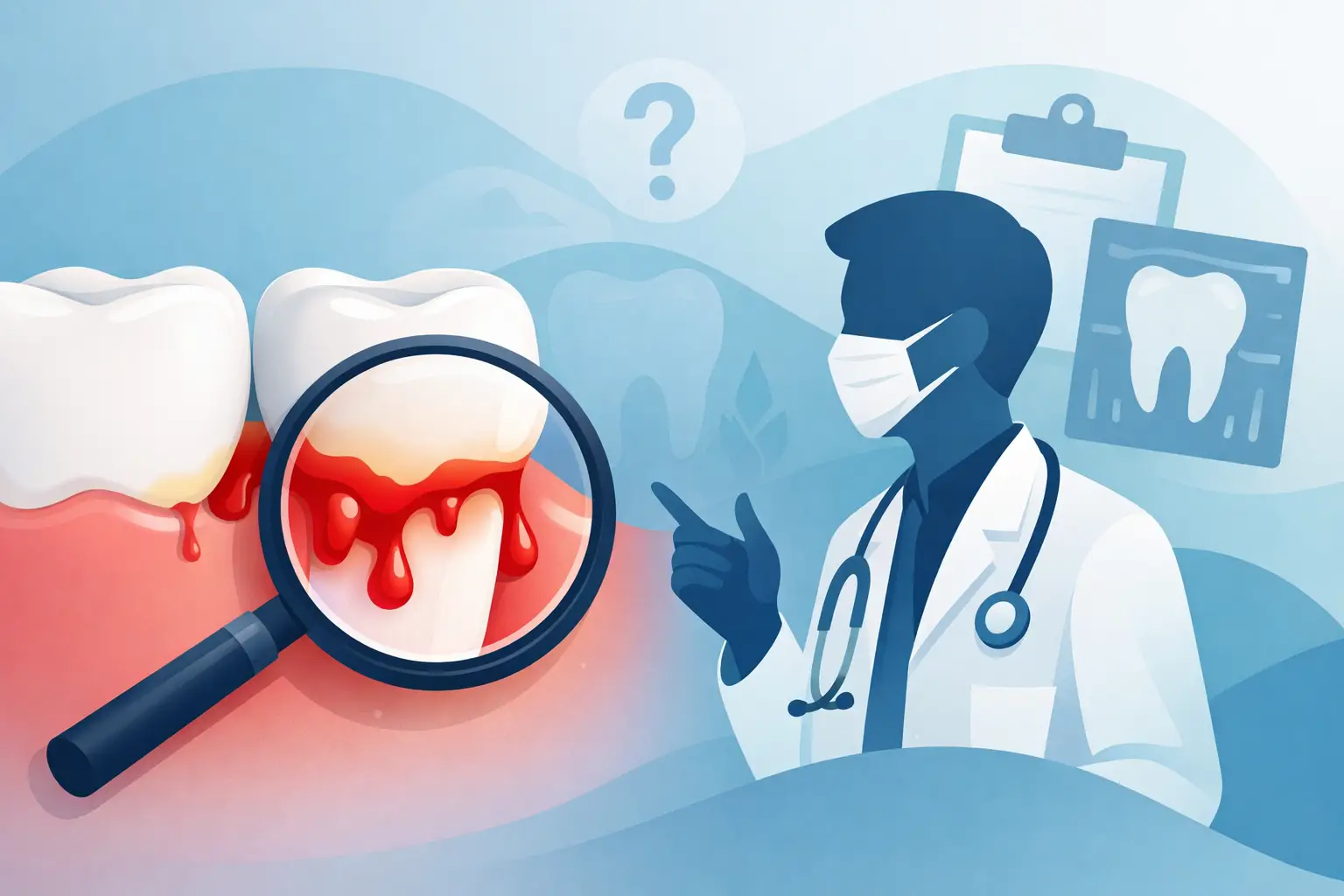
Plaque is a sticky film of bacteria that collects on teeth and along the gumline every day. When it is not removed thoroughly, the bacteria can irritate the gums. Your body responds with inflammation, which may make gums look red, feel tender, swell slightly, or bleed during brushing and flossing.
This early stage of gum disease is called gingivitis. It is very common, and the good news is that it is typically reversible with professional cleaning and effective home care. The challenge is that gingivitis often causes little or no pain. Bleeding may be the first sign a patient notices.
When plaque hardens into tartar, it cannot be brushed or flossed away at home. Tartar creates a rough surface where more plaque can collect, allowing inflammation to persist. A professional dental cleaning removes these deposits and gives your gums a chance to heal.
Other Reasons Gums May Bleed
While plaque-related gingivitis is the leading cause, it is not the only explanation. Your dental team will look at your gum tissue, medical history, medications, and daily habits to identify what is contributing to the problem.
Brushing too hard or using the wrong technique
Aggressive brushing can injure delicate gum tissue, particularly if you use a hard-bristled toothbrush or scrub back and forth with pressure. This can cause bleeding, tenderness, and eventually gum recession. A soft-bristled toothbrush and small, gentle circular motions clean effectively without traumatizing the gums.
That said, brushing too hard is often not the whole story. If your gums bleed in several areas, inflammation from plaque may still be present. A dentist or hygienist can show you a technique that is both gentle and thorough.
Starting to floss again
People sometimes stop flossing because their gums bleed, then assume the bleeding proves flossing is harmful. Usually, the opposite is true. Bleeding between the teeth often reflects inflammation where a toothbrush cannot reach.
If you begin flossing consistently after a long break, light bleeding may occur at first. With gentle daily flossing and good brushing, it often improves within about one to two weeks. Do not force the floss or snap it into the gums. If bleeding continues, schedule an exam rather than simply avoiding that area.
Hormonal changes
Pregnancy, puberty, menopause, and menstrual cycle changes can make gums more sensitive to plaque. During pregnancy, for example, some patients develop swollen, easily bleeding gums even when their normal hygiene routine has not changed.
Routine dental care remains valuable during these times. Let your dentist know about a pregnancy or any health changes so your care can be tailored appropriately. Keeping gum inflammation under control supports comfort and overall oral health.
Medications and medical conditions
Some medications can increase bleeding or affect gum tissue. Blood thinners are one example. Certain medicines may also cause dry mouth or gum enlargement, which can make plaque control harder. Never stop or change a prescribed medication because of gum bleeding without speaking with the clinician who manages it.
Bleeding gums can occasionally be connected to broader health concerns, including poorly controlled diabetes, vitamin deficiencies, immune-related conditions, or blood disorders. This does not mean that every case signals a serious illness. It does mean persistent or unexplained bleeding should be evaluated rather than ignored.
Tobacco use and dry mouth
Smoking and other tobacco use increase the risk of gum disease and can interfere with healing. In some cases, tobacco can mask the obvious bleeding and redness that would otherwise alert someone to a problem. Gum disease may continue quietly until it becomes more advanced.
Dry mouth is another concern. Saliva helps rinse away food particles and naturally protects the mouth. Dehydration, mouth breathing, medications, and certain health conditions can reduce saliva flow, allowing plaque to build up more easily.
Ill-fitting dental appliances
Dentures, retainers, aligners, or other oral appliances that rub against gum tissue can cause localized irritation and bleeding. A crown or filling with an edge that traps plaque may also contribute. These are usually fixable concerns, but they require a dental evaluation instead of repeated attempts to adjust an appliance at home.
When Bleeding Gums May Mean Periodontal Disease
Untreated gingivitis can progress to periodontitis, a more serious form of gum disease. In periodontitis, inflammation and infection affect the tissues and bone that hold teeth in place. The condition can lead to gum recession, loose teeth, tooth loss, and changes in how your bite feels.
Bleeding is only one possible sign. Call for a dental appointment if you also notice persistent bad breath, pus around the gums, gums pulling away from teeth, new spaces between teeth, pain when chewing, or teeth that feel mobile. Periodontal disease does not always hurt, so regular examinations and cleanings remain essential even if you feel fine.
Treatment depends on the severity of the condition. Some patients need a routine cleaning and coaching on home care. Others benefit from a deeper periodontal cleaning below the gumline, followed by regular maintenance visits to keep the disease controlled. The right plan is personal, based on what your gums and supporting bone need.
What You Can Do at Home Before Your Appointment
The goal is not to scrub until the bleeding stops. It is to remove plaque gently and consistently while allowing irritated tissue to recover. Brush twice daily with fluoride toothpaste and a soft-bristled brush, angling the bristles toward the gumline without pressing hard. Clean between your teeth once daily with floss, interdental brushes, or another option recommended by your dental team.
Rinse your toothbrush thoroughly and replace it about every three months, or sooner if the bristles are frayed. Drink water regularly, limit frequent sugary snacks and drinks, and avoid tobacco. If a particular tooth, gum area, or appliance is causing pain, do not wait for it to become an emergency.
Mouthwash can be a helpful addition for some patients, but it is not a replacement for brushing between and around the teeth. A dentist may recommend a specific rinse based on gum health, dry mouth, or periodontal treatment needs.
When to Call a Dentist About Bleeding Gums
Make an appointment if bleeding lasts more than a week or two despite gentle, consistent brushing and flossing. You should also call sooner if bleeding is heavy, occurs without brushing or flossing, follows an injury, or comes with swelling, fever, severe pain, a loose tooth, or facial swelling.
For families in Norristown, Amor Dental Arts can evaluate bleeding gums with a caring, clear approach. Your visit may include a gum assessment, measurements around the teeth, X-rays when appropriate, and a discussion of any health or medication factors that could affect your gums. You deserve to understand what is happening and what your next steps are.
Bleeding gums are not something to feel embarrassed about, and they are rarely improved by avoiding the area that bleeds. A timely dental visit can replace uncertainty with a practical plan to help your gums feel healthier and keep your smile strong.