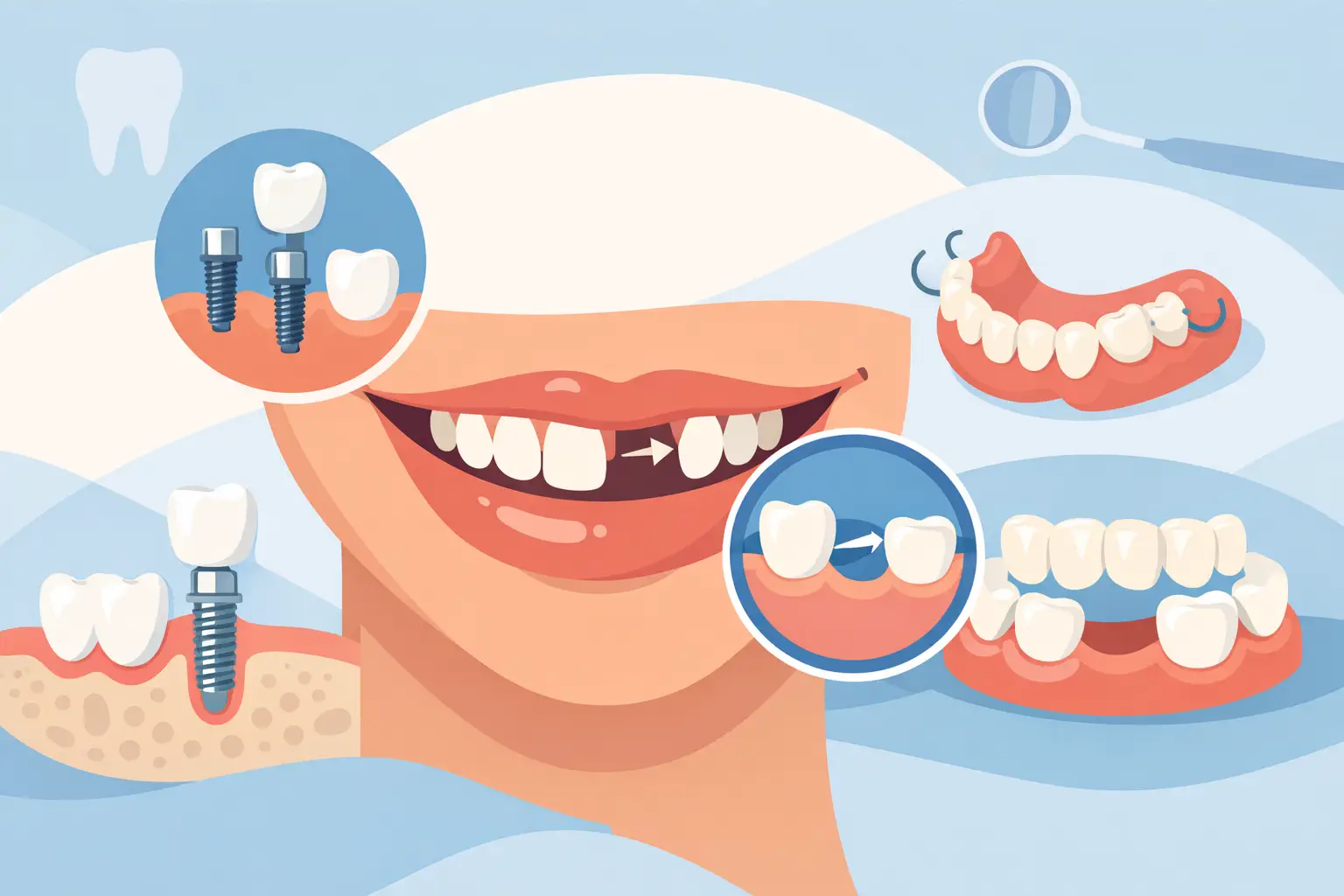
A missing tooth can change more than a photograph. It can make chewing uncomfortable, affect the way you speak, and leave you wondering whether neighboring teeth will shift. The best options for missing teeth depend on where the tooth is located, how many teeth are missing, your oral health, and what feels realistic for your schedule and budget. A thoughtful exam can turn an overwhelming decision into a clear, comfortable plan.
Why Replacing Missing Teeth Matters
When a tooth is lost, the surrounding teeth may gradually drift toward the space. That movement can change your bite and make daily cleaning more difficult. If the missing tooth is not replaced, the jawbone in that area can also begin to lose volume because it is no longer receiving the stimulation created by a tooth root.
Not every missing tooth requires the same treatment. Some people need a replacement quickly after an extraction, while others have lived with a gap for years and need to address changes in the bone or bite first. The right approach protects your long-term oral health while respecting your comfort and goals.
Best Options for Missing Teeth: What to Consider First
Before choosing a restoration, your dentist will evaluate the condition of your gums, remaining teeth, bone levels, bite, and any signs of infection or decay. Digital imaging and a detailed exam help determine whether a treatment can move forward right away or whether preparatory care, such as periodontal treatment, an extraction, or bone grafting, would create a stronger foundation.
Your personal priorities matter just as much. Some patients want the closest possible feel to a natural tooth. Others need an affordable option that can be completed efficiently. If you are replacing several teeth, the best solution may be different from the one used for a single missing front tooth. A good treatment conversation should include benefits, limitations, expected maintenance, timing, and costs without pressure.
Dental Implants
A dental implant replaces a missing tooth root with a small post placed in the jawbone. Once it has healed and integrated with the bone, it can support a custom crown for one missing tooth, or help anchor a bridge or denture when several teeth are missing.
For many patients, implants are one of the most natural-feeling tooth replacement choices. Because the implant stimulates the jawbone, it can help reduce bone loss in the area. An implant crown also stands independently, so the teeth beside it usually do not need to be reshaped as they would for a traditional bridge.
Implants do require adequate bone and healthy gums. Healing takes time, and some patients need bone grafting before placement. They also have a higher upfront cost than certain alternatives. Still, with consistent brushing, flossing, and professional care, implants can be a durable long-term investment in your smile and chewing ability.
Fixed Dental Bridges
A fixed dental bridge fills a gap by attaching an artificial tooth, called a pontic, to crowns placed on the teeth next to the space. It is cemented in place, so it does not come out for daily cleaning. For patients with strong neighboring teeth that already need crowns, a bridge can be an efficient and attractive solution.
One advantage is timing. A bridge can often be completed more quickly than an implant, especially when healing or bone development would delay implant placement. It can restore the look of a front tooth or improve function in the back of the mouth.
The trade-off is that healthy adjacent teeth must be prepared to hold the crowns. Bridges also need careful cleaning underneath the replacement tooth. With the right home care and regular checkups, they can serve patients well for many years.
Removable Partial Dentures
A removable partial denture replaces one or several teeth and can be taken out for cleaning. It may use a gum-colored or metal framework with clasps that rest around existing teeth. Modern partials can be designed to look natural and restore more of your chewing surface than a single-tooth solution.
This option is often practical when several teeth are missing in different areas or when surgery is not the right fit. A partial denture is generally less expensive initially than multiple implants, and it can sometimes be made while a patient is waiting for a more permanent treatment plan.
Because it is removable, a partial may take time to get used to. It can require adjustments as your mouth changes, and it does not prevent bone loss in the same way an implant does. A precise fit and follow-up visits are essential for comfort.
Complete Dentures and Implant-Supported Dentures
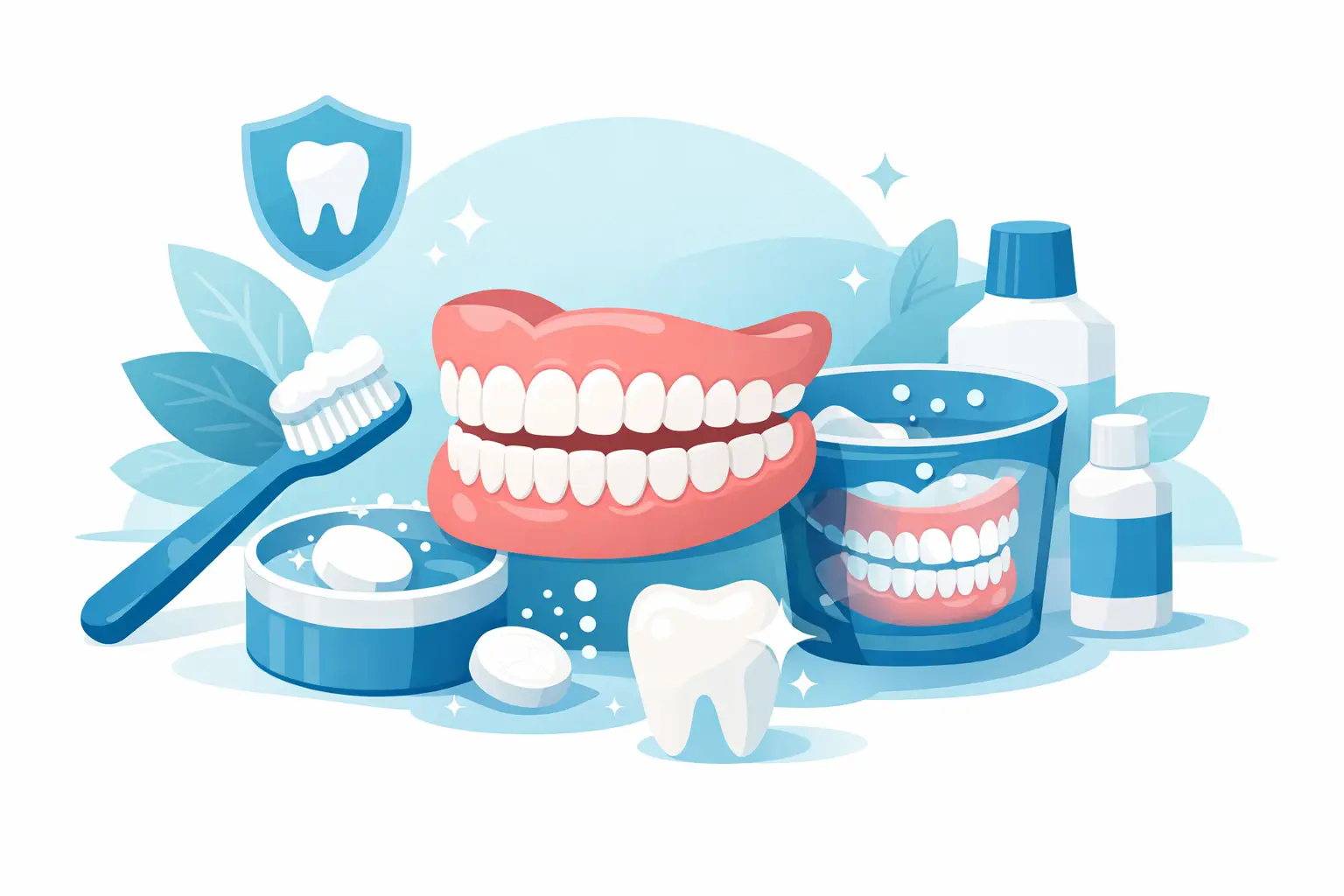
When all teeth in an upper or lower arch are missing, complete dentures can restore appearance, speech, and everyday eating. Conventional dentures rest on the gums and are removed at night for cleaning. They can be an accessible way to rebuild a smile after extensive tooth loss.
For patients who are frustrated by a loose lower denture, implants can provide added stability. An implant-supported denture may snap onto implants for a secure fit while still being removable for cleaning. In some cases, a fixed full-arch restoration may be appropriate. The number of implants, the amount of available bone, and your desired level of stability all influence the recommendation.
Dentures can be life-changing, but it is fair to discuss their limitations. They may need periodic relining as gum and bone tissue changes. Implant support can reduce movement and improve confidence when eating and speaking, though it involves surgery and a greater initial investment.
What About a Temporary Replacement?
A temporary tooth replacement can be useful after a front-tooth extraction or while an implant is healing. Depending on your needs, this may be a temporary bridge, a lightweight removable appliance, or a temporary restoration attached to an implant when clinically appropriate.
Temporary solutions are not simply cosmetic. They can help preserve space, support your smile during healing, and make day-to-day life feel more normal. Your dentist can explain what foods to avoid and how to keep the temporary restoration secure and clean.
Choosing the Right Option for Your Life
The best treatment is not always the most expensive one or the fastest one. It is the option that fits your health, protects your remaining teeth, and gives you a result you can maintain. A patient with a single missing molar and healthy bone may be an excellent implant candidate. Someone missing several teeth with gum disease may benefit from periodontal care and a phased plan before choosing a final restoration.
If dental anxiety has kept you from seeking care, tell your dental team. Comfort-focused care, clear explanations, and sedation options when appropriate can make the process feel far more manageable. For busy families and working adults, discussing appointment timing and phased treatment can also help make care more accessible.
At Amor Dental Arts in Norristown, patients can receive an individualized evaluation and discuss tooth replacement choices in a supportive setting. The goal is not to rush you into one answer. It is to help you understand your choices and move forward with confidence.
A missing tooth does not have to become a permanent source of discomfort or self-consciousness. Schedule a consultation, bring your questions, and let a caring dental team help you choose a path that supports your smile for years to come.