
There is a lot that a lost tooth can negatively impact. Maybe you’ve had your confidence misunderstood because you’ve never been as outgoing as usual, and you just don’t feel as confident smiling. It can even cause some difficulty in your eating and speaking. Luckily, with all the advancements in dental technology, you have a ton of options for replacing a tooth. If you are looking for dental implants in Norristown PA, then you have a lot of options to weigh, including dental implants, dentures, and dental bridges.
Once you weigh all the factors that distinguish all these options for replacement teeth, you’ll see that everyone is looking for a unique solution to the same problem. Factors like your current oral health, how much money you can spend, and how you live your daily life all play a part in choosing what’s best for you. This guide has everything you need to know to answer your most pressing questions, clear up any misunderstandings, and give real examples about dental implants, dentures, and dental bridges.
What Are Dental Implants, Dentures, and Bridges?
Tooth replacement treatments restore both function and appearance after tooth loss. While they all help replace missing teeth, they do so in different ways.
Dental Implants
Dental implants are titanium posts surgically placed into the jawbone to replace missing tooth roots. Once healed, a custom crown is attached to the implant, creating a natural-looking and durable restoration. Many patients choose Dental implants in Norristown PA, because they closely mimic natural teeth in appearance, comfort, and function.
Dentures
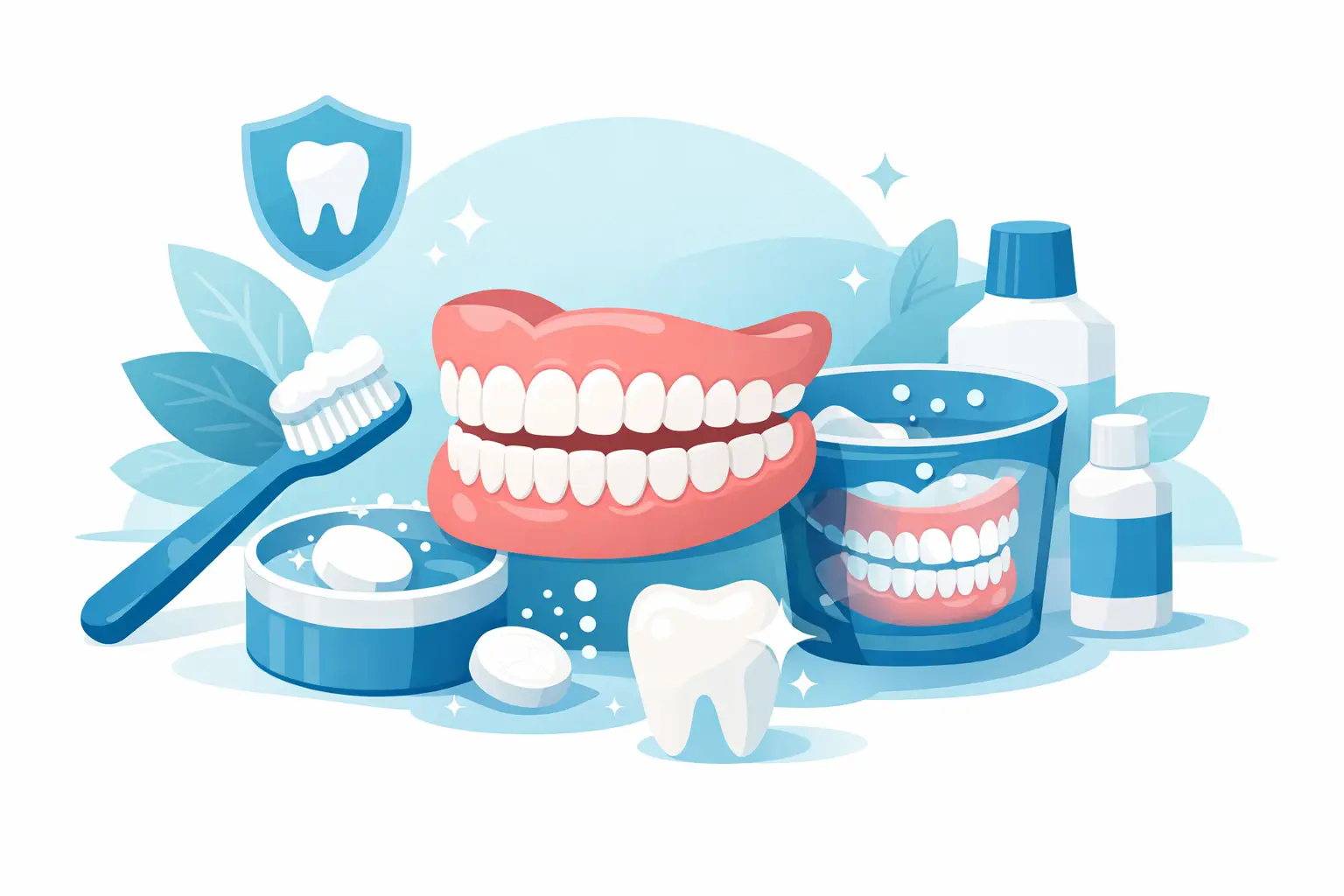
Dentures are removable appliances designed to replace missing teeth. They may be full dentures, replacing all teeth in an arch, or partial dentures, replacing several missing teeth while preserving remaining natural teeth.
Dental Bridges
Dental bridges replace one or more missing teeth by anchoring an artificial tooth between neighboring teeth or implants. Bridges remain a reliable option for many patients seeking a fixed restoration.
Patients often compare dentures in Norristown and dental bridges in Norristown when looking for alternatives to implants.
Why Tooth Replacement Matters
Missing teeth are more than a cosmetic concern. They can affect oral health, nutrition, speech, and overall quality of life.
Benefits of replacing missing teeth include:
- Improved chewing ability
- Better speech clarity
- Enhanced smile appearance
- Prevention of tooth shifting
- Support for facial structure
- Increased confidence
Without treatment, missing teeth may contribute to bone loss, bite changes, and additional dental complications over time.
“Missing teeth can affect daily activities such as eating, speaking, and maintaining proper oral health. Choosing the right replacement option often depends on factors like budget, oral health, and long-term goals.”
Key Things to Know Before Choosing a Tooth Replacement Option
1. Which Option Looks Most Like Natural Teeth?
Dental implants are generally considered the most natural-looking and natural-feeling solution because they integrate directly with the jawbone.
Bridges can also provide highly aesthetic results when customized to match surrounding teeth.
Modern dentures have improved significantly, though some patients may still notice differences in stability and feel.
2. Which Option Lasts the Longest?
| Treatment | Average Lifespan |
| Dental Implants | 20+ years or longer |
| Dental Bridges | 10–15 years |
| Dentures | 5–10 years |
Proper oral hygiene and routine dental care significantly impact longevity.
3. What Is the Most Affordable Option?
Traditional dentures generally have the lowest upfront cost.
Bridges typically fall into a moderate price range.
Implants often require a larger initial investment but may provide greater long-term value due to their durability.
4. How Does Jawbone Health Affect Treatment?
Dental implants stimulate the jawbone, helping reduce bone loss after tooth loss.
Dentures and bridges do not provide this stimulation. Over time, patients may experience gradual bone shrinkage in areas where teeth are missing.
5. What Is All-On-X Dental Implant Treatment?
An All-On-X Dental Implant system uses strategically placed implants to support a full arch of replacement teeth.
Benefits may include:
- Greater stability
- Fewer implants required
- Improved chewing ability
- Reduced movement compared to traditional dentures
Many patients with extensive tooth loss consider an All-On-X Dental Implant solution when exploring full-mouth restoration options.
When Dental Implants Are NOT the Best Choice
1. Severe Bone Loss May Require Additional Procedures
Patients with significant bone loss may need bone grafting before implant placement. This can increase treatment time and cost.
2. Certain Health Conditions Can Affect Healing
Conditions that may influence treatment success include:
- Uncontrolled diabetes
- Heavy tobacco use
- Certain medications affecting bone metabolism
3. Lifestyle Factors Matter
Some patients prefer shorter treatment timelines or fewer appointments. In these cases, dentures or bridges may offer practical advantages.
4. Financial Considerations Can Influence Treatment
Sometimes a bridge or denture completed today provides more immediate benefits than delaying treatment while saving for implants.
This highlights why treatment planning should always be personalized rather than relying on one-size-fits-all advice.
Comparing Implants, Dentures, and Bridges
| Feature | Dental Implants | Dentures | Bridges |
| Fixed in Place | Yes | No | Yes |
| Supports Jawbone | Yes | No | No |
| Removable | No | Yes | No |
| Natural Feel | Excellent | Moderate | Good |
| Single Tooth Replacement | Excellent | Not Ideal | Excellent |
| Multiple Teeth Replacement | Excellent | Excellent | Good |
Many patients considering dentures in norristown appreciate their affordability, while others prioritize the stability and longevity of implant-supported solutions.
The Hidden Costs Most Patients Never Consider
Most people focus only on the initial treatment cost. However, long-term costs can vary significantly.
1. Maintenance Costs
Over time, patients may need:
- Denture relines
- Denture replacements
- Bridge repairs
- Crown replacements
2. Time Commitment
Treatment timelines vary:
- Dentures may be completed relatively quickly
- Bridges often require several appointments
- Implants may require months of healing
3. Lifestyle Costs
Some patients find removable dentures require lifestyle adjustments related to eating, cleaning, and daily wear.
4. Future Bone Loss Considerations
Because implants help preserve jawbone structure, they may reduce future treatment needs related to bone deterioration.
Real Patient Scenarios: Why Treatment Recommendations Differ
Scenario 1: Young Professional Missing a Front Tooth
A patient concerned primarily with appearance may benefit from an implant due to its natural look and stability.
Scenario 2: Retired Adult Missing Multiple Teeth
Budget and overall health may influence whether dentures or implant-supported restorations are recommended.
Scenario 3: Patient With Healthy Adjacent Teeth
In some cases, a bridge may provide an effective solution with fewer procedures.
Scenario 4: Extensive Tooth Loss
Patients with full-arch tooth loss may explore an All-On-X Dental Implant approach for enhanced stability and function.
These examples demonstrate that treatment recommendations depend heavily on individual circumstances.
Myth vs Reality: What Patients Should Know
| Myth | Reality |
| Implants last forever | Implant crowns may eventually require replacement |
| Dentures always look fake | Modern dentures can appear highly natural |
| Bridges are outdated | Bridges remain a valuable treatment option |
| Bone grafting is always required | Many implant patients never need grafting |
| Younger patients should always choose implants | Treatment timing and oral health matter |
Many patients considering dentures in norristown appreciate their affordability, while others prioritize the stability and longevity of implant-supported solutions.
Advanced Treatment Planning: Why Dentists May Recommend Different Solutions
1. Different Clinical Philosophies
Some dentists prioritize preserving natural teeth whenever possible.
Others may focus on long-term implant-supported solutions.
2. Risk Assessment Varies
Treatment recommendations often depend on how a provider evaluates:
- Future oral health risks
- Longevity expectations
- Patient preferences
3. Technology Can Influence Decisions
Modern tools such as:
- Digital treatment planning
- 3D imaging
- Guided implant surgery
may affect the treatment options presented.
Seeking a second opinion is often helpful when multiple treatment approaches are available.
Common Misconceptions About Tooth Replacement
Myth 1: Dentures Are Only for Seniors
Truth: Adults of all ages may require dentures due to injury, disease, or tooth loss.
Myth 2: Dental Implants Are Painful
Truth: Modern implant procedures are typically performed with local anesthesia and patient comfort techniques.
Myth 3: Bridges Damage Healthy Teeth
Truth: Properly designed bridges help restore function while supporting overall oral health.
Myth 4: Missing One Tooth Is Not Important
Truth: Even a single missing tooth can affect bite alignment and neighboring teeth.
Tips for Choosing the Right Tooth Replacement
Consider the following factors before making a decision:
- Discuss all available options with your dentist
- Evaluate your oral health condition
- Consider long-term maintenance needs
- Think about comfort and convenience
- Review treatment timelines
- Understand total long-term costs
- Consider future dental health goals
The best treatment is the one that aligns with both your clinical needs and personal priorities.
Frequently Asked Questions
1. Are dental implants better than dentures?
Dental implants provide greater stability and help preserve jawbone health, but dentures may be more affordable and appropriate for some patients.
2. How long does implant treatment take?
Treatment timelines vary but often require several months for proper healing and integration.
3. Can a bridge replace multiple missing teeth?
Yes. Bridges can effectively replace one or more adjacent missing teeth.
4. Who is a good candidate for an All-On-X Dental Implant?
Patients with significant tooth loss who want a fixed full-arch restoration may be candidates after a comprehensive evaluation.
5. How should dentures be cleaned?
Dentures should be cleaned daily using products recommended by your dental provider.
6. Will insurance cover tooth replacement treatments?
Coverage depends on individual insurance plans and treatment types.
Conclusion
Choosing the right tooth replacement option depends on your oral health, lifestyle, budget, and long-term goals. While every treatment has its advantages, understanding the differences between implants, dentures, and bridges can help you make a confident and informed decision. If you’re considering Dental implants in Norristown PA, a personalized consultation can help determine the most suitable solution for your smile and overall oral health.
Contact us today to schedule an appointment and learn more about your tooth replacement options. Our team is here to help you restore your smile, comfort, and confidence with a treatment plan tailored to your needs.
Also Learn More : The Impact of Digital Technology in Modern Orthodontic Treatments