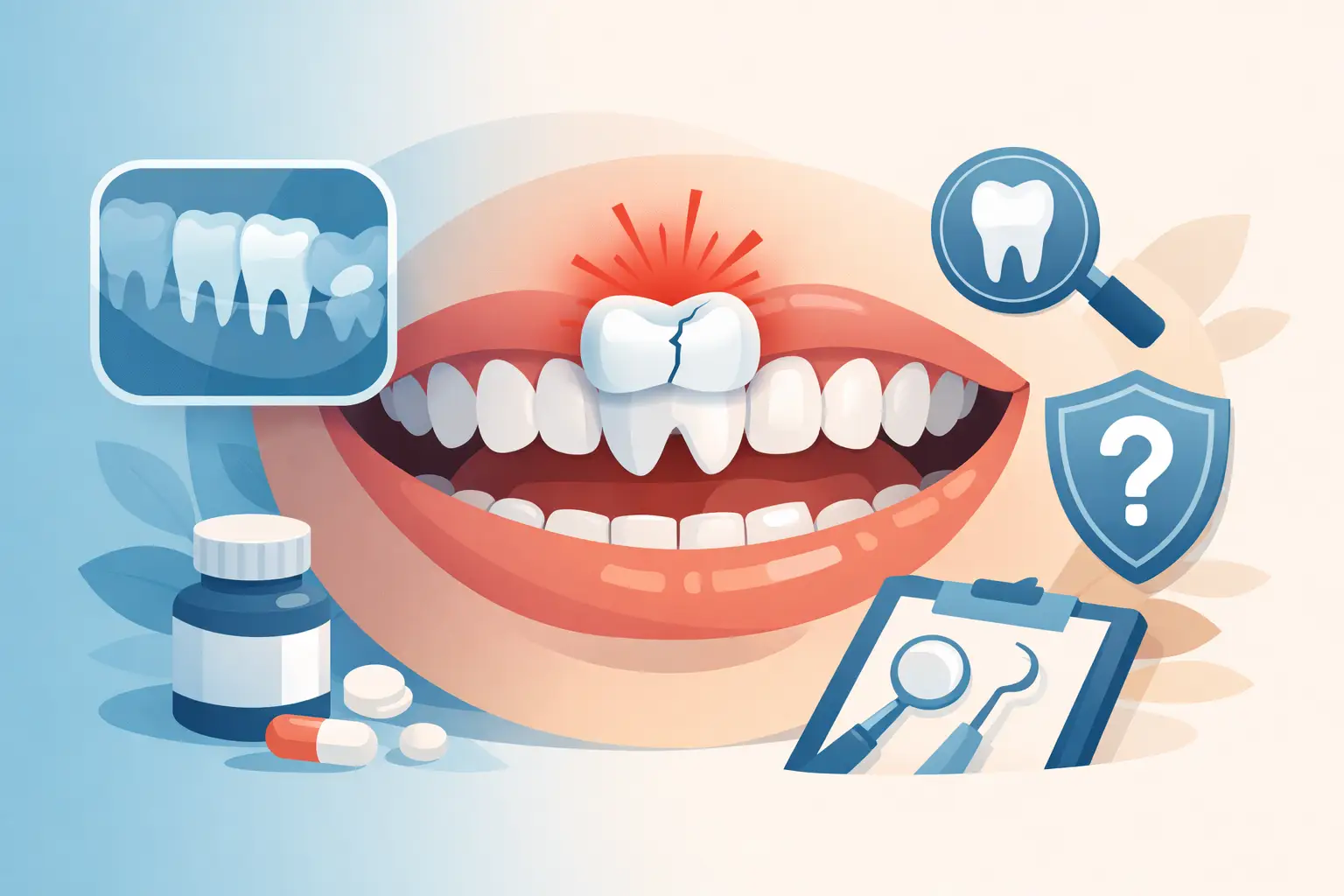

A cracked tooth at 7 a.m. before work. A child who wakes up crying with a swollen cheek. A crown that falls off the night before a family event. When you search for an emergency dentist near me, you are usually not browsing casually. You need clear answers, quick help, and a dental team that can calm the situation instead of adding more stress.
Dental emergencies do not always look dramatic, but they can worsen quickly if they are ignored. Pain, swelling, bleeding, injury, and sudden damage to a tooth can all signal a problem that should be evaluated promptly. In many cases, getting care the same day can protect your tooth, reduce pain, and prevent a more complex treatment later.
When an emergency dentist near me is the right search
Not every dental issue requires immediate treatment, but some do. The challenge is that patients often wait too long because they hope the pain will pass. Sometimes it does for a few hours. That does not mean the problem is gone.
A true dental emergency often includes severe tooth pain, visible swelling in the gums or face, a knocked-out tooth, uncontrolled bleeding, signs of infection, or a broken tooth that exposes sensitive inner layers. Lost fillings, loose crowns, and chipped teeth may or may not need same-day treatment depending on discomfort and risk of further damage. It depends on the severity, but if you are unsure, calling a dental office is the safest next step.
Facial swelling deserves special attention. Swelling can point to an infection, and dental infections can spread. If swelling affects breathing, swallowing, or extends rapidly, that becomes a medical emergency and you should seek urgent medical attention right away.
The most common dental emergencies
Toothaches are one of the biggest reasons people search for urgent care. A persistent toothache can come from deep decay, a cracked tooth, gum infection, or an abscess. Sharp pain when biting may mean a fracture. Throbbing pain that keeps you awake often signals inflammation or infection inside the tooth.
Broken teeth are another common issue. A minor chip may be more cosmetic than urgent, but a larger break can leave the tooth vulnerable and painful. If the fracture reaches the nerve or creates sharp edges, prompt treatment matters.
A knocked-out tooth is one of the few situations where minutes truly count. In some cases, a tooth can be saved if it is handled properly and treated quickly. Hold it by the crown, not the root, rinse it gently if dirty, and try to place it back in the socket if possible. If not, keep it in milk or saliva and get to a dentist immediately.
Lost crowns and fillings can feel less serious, but they should not be ignored. Once that protective restoration is gone, the exposed tooth can become sensitive, fracture more easily, or shift in ways that complicate repair. The same is true for a loose bridge, damaged denture, or broken orthodontic appliance causing pain.
What to do before you get to the office
The hours before your appointment matter. They will not replace treatment, but they can help control symptoms and reduce the chance of making things worse.
For swelling, use a cold compress on the outside of the face in short intervals. For bleeding, apply clean gauze and gentle pressure. For a broken tooth, rinse with warm water and avoid chewing on that side. If a filling or crown comes out, keep the piece if you can and bring it with you. Over-the-counter pain relief may help, as long as you follow label directions and any guidance from your physician.
Avoid placing aspirin directly on the gums or tooth. That old home remedy can irritate soft tissue and cause a chemical burn. Also avoid chewing hard foods, testing the painful tooth repeatedly, or waiting several days to see if significant swelling goes away on its own.
Why fast treatment can save more than comfort
People often think emergency dental care is only about pain relief. Pain relief matters, of course, but quick treatment can also preserve the structure of a tooth, stop infection from progressing, and reduce the cost and complexity of care.
For example, a small crack may be repairable with a bonded restoration or crown if treated early. Leave it alone, and that same tooth might split deeper and need root canal therapy or extraction. A cavity that suddenly starts hurting may still be manageable, but once infection reaches the center of the tooth, treatment becomes more involved.
That is why same-day responsiveness is so valuable. A good emergency visit is not just about getting you in the chair quickly. It is about diagnosing the cause, explaining your options clearly, and helping you move from crisis to a stable treatment plan.
What to expect from an emergency dental visit
Patients are often anxious before an urgent appointment, especially if they are in pain or have had difficult dental experiences in the past. A reassuring office will focus on both the clinical problem and your comfort.
Your visit usually begins with questions about symptoms, timing, medical history, and what happened. Digital imaging may be needed to see infection, fractures, or damage below the gumline. From there, the dentist can determine whether the best next step is a filling, crown, root canal, extraction, medication, or a temporary solution to stabilize the area.
Sometimes the full treatment can be completed the same day. Sometimes the priority is to stop pain, control infection, and protect the tooth until the definitive treatment is done. That is not a delay in care. It is often the safest and most appropriate sequence.
For anxious patients, comfort options can make a major difference. A practice that offers a calm environment, modern technology, and clear communication helps patients feel more in control during a stressful moment. At Amor Dental Arts, that combination of compassionate care and advanced treatment is a big part of helping emergency patients feel supported from the first phone call.
Choosing the right emergency dentist near me
When you are in pain, convenience matters, but it should not be the only factor. The right office should be able to provide prompt access, accurate diagnosis, and a broad range of treatment options under one roof whenever possible.
That matters because emergencies are not all alike. One patient may need a simple repair. Another may need root canal therapy, an extraction, sedation support, or restorative follow-up such as a crown or implant planning. A comprehensive dental office can make the process smoother because you are not left scrambling for multiple referrals while already dealing with pain.
It also helps to choose a practice that communicates clearly about costs, timelines, and next steps. Dental emergencies are stressful enough without confusion. Families and working adults especially appreciate an office that respects their time, explains treatment in plain language, and offers practical options.
Prevention still matters, even with emergencies
Not every emergency can be prevented. Accidents happen. Kids fall. Teeth crack unexpectedly. But many urgent visits begin as smaller issues that were easy to miss or easy to postpone.
Routine exams, professional cleanings, and early treatment of decay or worn restorations lower the risk of sudden pain and infection. Nightguards can help patients who grind their teeth and develop fractures. Mouthguards for sports reduce the risk of trauma. If a filling feels loose or a tooth has been sensitive for weeks, addressing it before it becomes severe can spare you a weekend of pain and an urgent visit.
That does not mean you should feel guilty if an emergency happens. It simply means ongoing dental care and emergency care are connected. The same trusted dental home that helps protect your smile over time should also be there when something goes wrong unexpectedly.
If you are searching for an emergency dentist near me, trust what your symptoms are telling you. Pain, swelling, injury, and sudden dental damage rarely improve by being ignored. Getting help quickly can protect your health, your time, and often your tooth. When the moment feels urgent, the best next step is simple: call a local dental team that can treat the problem with both skill and a caring touch.