A missing tooth can affect far more than your smile. It can change how you chew, speak, and feel in photos or conversations. Still, one question often stops people from moving forward: are dental implants painful? The honest answer is that implant treatment should not be painful during the procedure, and most patients find recovery more manageable than they expected.
Dental implants do involve surgery, so it is normal to have questions about discomfort. A caring dental team should explain each stage, discuss your health history, and make a comfort plan that fits your needs before treatment begins.
Are Dental Implants Painful During Placement?
During implant placement, the treatment area is thoroughly numbed with local anesthesia. You may feel pressure, gentle movement, or vibration, but you should not feel sharp pain. If you do feel discomfort at any point, let your dentist know right away. The goal is to pause, adjust, and keep you comfortable.
For patients who feel nervous about dental treatment, sedation options may be appropriate. The right option depends on your medical history, the complexity of your procedure, and your level of anxiety. Some people simply need local anesthetic and reassurance. Others benefit from sedation that helps them feel deeply relaxed while remaining safely monitored.
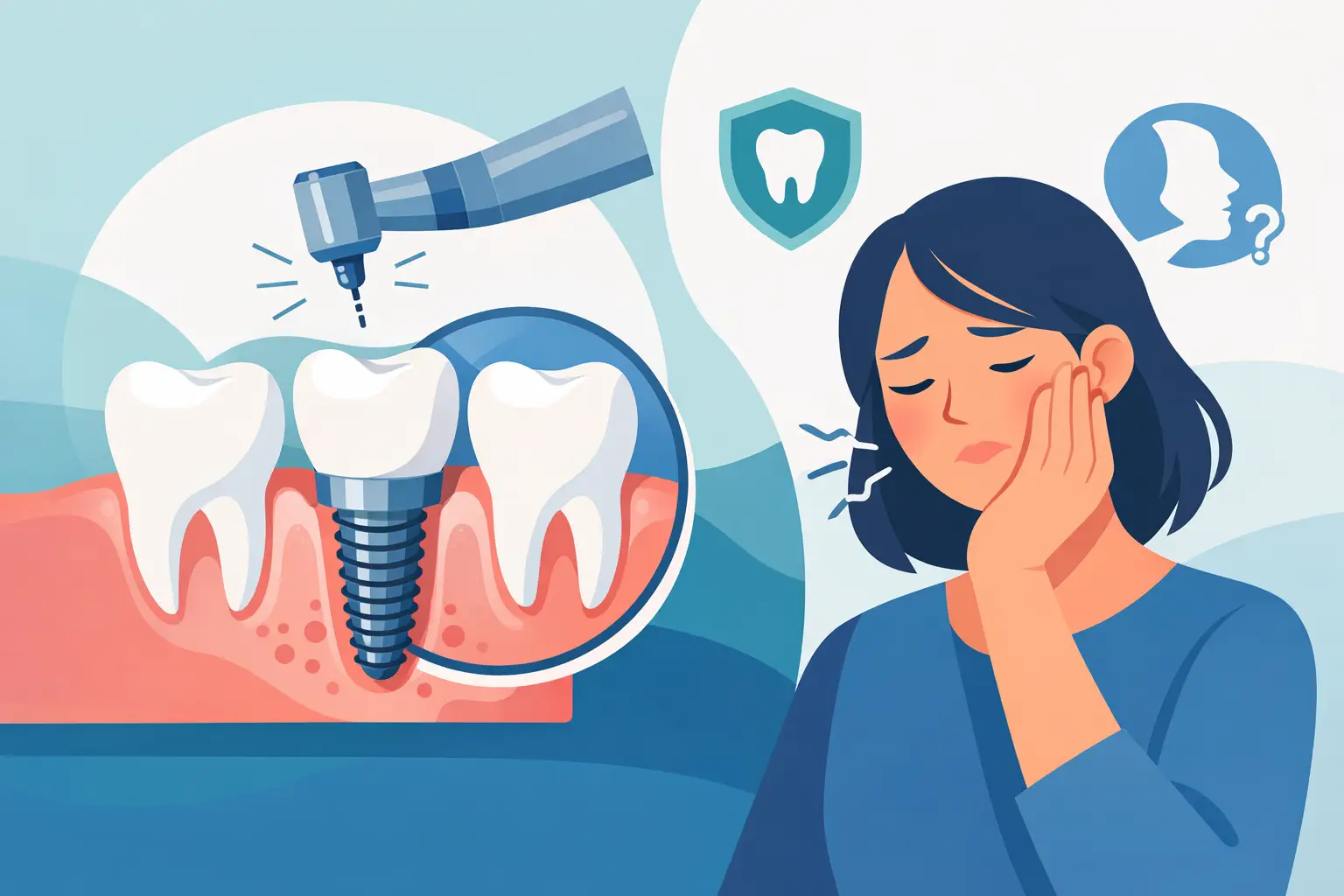
The procedure itself is usually more straightforward than people imagine. Your dentist places a small titanium implant post in the jawbone, where it gradually bonds with the bone over time. If a tooth needs to be removed first, or if bone grafting is needed, the appointment and recovery may be more involved. That does not automatically mean it will be painful, but it can mean you will need more time and more detailed aftercare.
What Does Dental Implant Recovery Feel Like?
Once the numbness wears off, it is common to have tenderness, swelling, and mild bruising around the implant site. Many patients describe the feeling as similar to recovery after a tooth extraction. For some, it is easier than they anticipated because the area is carefully managed and the surrounding tissue has time to heal.
Discomfort is often most noticeable during the first two or three days. Your dentist may recommend or prescribe pain medication based on your procedure and medical needs. Cold compresses, rest, and soft foods can also make a meaningful difference during those first days.
You may notice slight bleeding or oozing shortly after surgery. This is generally expected and should lessen quickly when you follow the aftercare instructions. Swelling commonly peaks within 48 to 72 hours, then begins to improve. Most people can return to normal daily routines relatively soon, although strenuous exercise may need to wait for a few days.
Recovery varies. A single implant placed in healthy bone may involve less soreness than a case that includes an extraction, bone graft, or several implants. Your overall health, smoking or vaping habits, oral hygiene, and ability to follow post-treatment instructions all affect healing.
The Implant Post Is Not the Same as the Final Tooth
An implant is completed in stages. First, the implant post is placed and allowed to heal within the jawbone. Once it is stable, a connector called an abutment and a custom crown can be added. The crown phase is generally much less invasive than the surgical appointment.
This timeline can feel longer than expected, but it serves a purpose. Allowing the implant to integrate with the bone helps create the stable foundation that makes implants feel and function much like natural teeth.
How Dentists Help Keep Implant Treatment Comfortable
Comfort begins well before the procedure. A thorough exam, digital imaging, and treatment planning help the dentist determine the safest position for the implant and identify whether additional care is needed first. Planning reduces surprises and supports a smoother experience.
At Amor Dental Arts, implant care is approached with both clinical precision and a caring touch. Patients should know what will happen, why it is recommended, and what they can do to prepare. Clear communication is especially valuable for people who have avoided dentistry because of fear or past difficult experiences.
Your comfort plan may include local anesthetic, sedation when appropriate, gentle surgical techniques, and clear instructions for pain control at home. It also includes giving you enough time to ask questions. You should never feel rushed into a procedure you do not understand.
Ways to Make Recovery Easier
Following your dentist’s instructions closely is one of the best ways to reduce discomfort and protect your new implant. For the first few days, choose soft foods such as yogurt, eggs, soup that is not too hot, mashed vegetables, or smoothies eaten with a spoon. Avoid chewing directly on the surgical area until your dentist tells you it is safe.
Keep your mouth clean, but be gentle. You may be asked to avoid vigorous rinsing, spitting, or brushing directly over the site immediately after surgery. If a medicated rinse is recommended, use it exactly as directed. Good oral hygiene supports healing without disturbing the area.
Avoid smoking and vaping during healing. Nicotine restricts blood flow and can significantly increase the risk of implant complications. Limiting alcohol, getting enough sleep, and staying hydrated can also help your body recover.
Do not use pain as the only measure of whether healing is going well. Some problems are not severely painful at first, which is why follow-up visits matter. They allow your dentist to check the implant site, monitor healing, and answer questions before a small concern becomes a larger one.
When to Call Your Dentist
Mild soreness and swelling are expected, but worsening symptoms deserve prompt attention. Contact your dental office if pain becomes severe or increases after several days, bleeding does not slow with directed care, swelling worsens instead of improving, or you develop a fever. A persistent bad taste, pus, a loose implant, or numbness that continues longer than expected should also be evaluated.
Calling does not mean something is necessarily wrong. It gives your dental team the chance to assess what you are experiencing and offer the right next step. For busy families and working adults, early guidance can prevent unnecessary worry and help protect the investment you are making in your health.
Common Questions About Implant Pain
1. Is getting an implant more painful than having a tooth pulled?
It depends on the tooth, the condition of the surrounding bone, and whether additional procedures are needed. Many patients report that implant placement feels comparable to or easier than an extraction, particularly when the area is fully numb and recovery instructions are followed.
2. How long does pain last after a dental implant?
Most discomfort improves noticeably within a few days. Mild tenderness may last longer, especially after bone grafting or multiple implants. Your dentist can tell you what is typical for your specific treatment plan.
3. Will I be awake for dental implant surgery?
Often, yes. Local anesthesia keeps the area numb, and sedation may be available for patients who need extra help relaxing. Your dentist will recommend the safest approach based on your health and procedure.
Fear of pain should not be the reason a missing tooth goes untreated. With thoughtful planning, reliable anesthesia, and attentive follow-up care, dental implants can be a comfortable path toward eating, speaking, and smiling with greater confidence again.