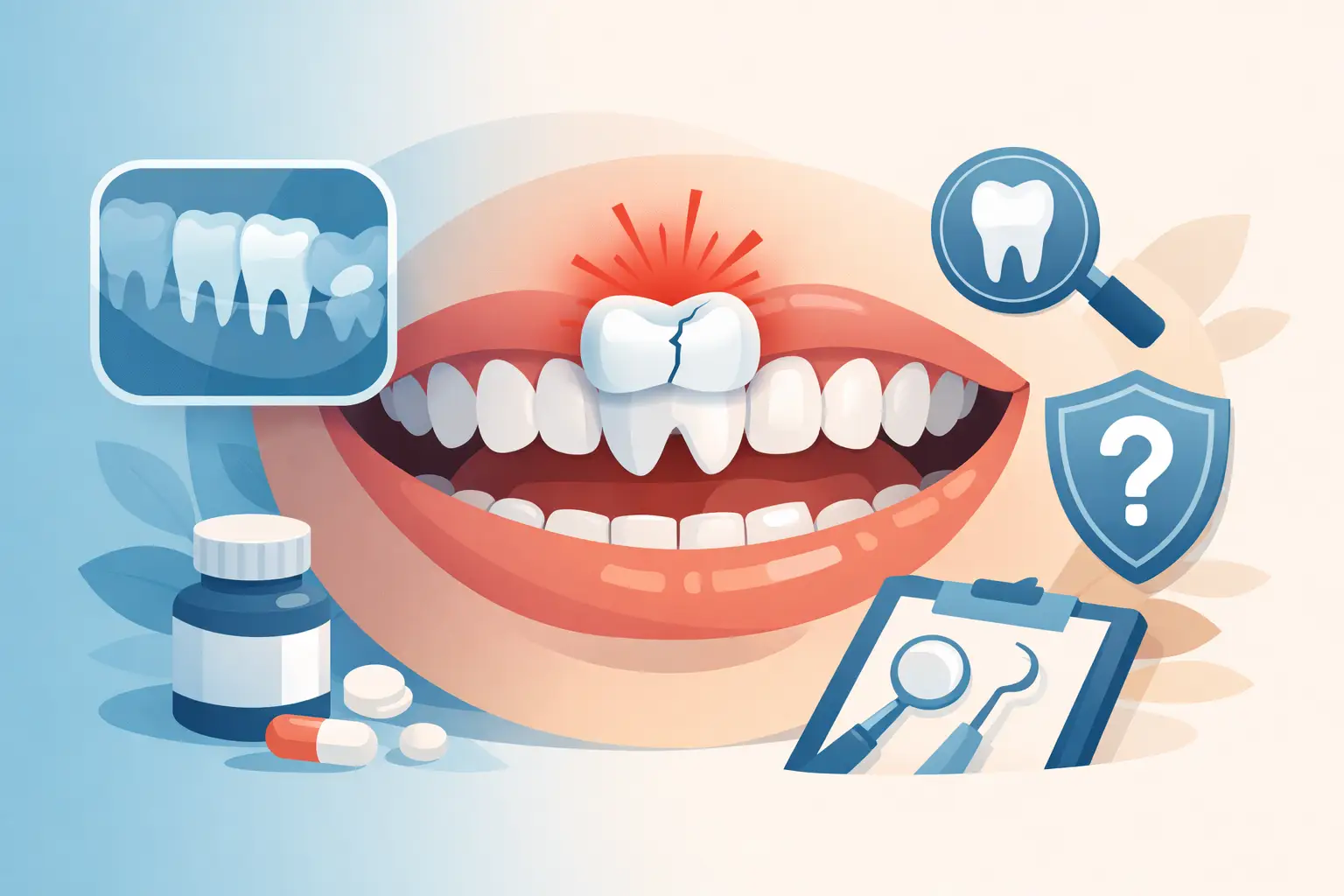

A toothache has a way of taking over everything. Eating feels risky, sleep gets interrupted, and even a normal conversation can be distracting when one tooth keeps throbbing. If you are searching for how to relieve tooth pain fast, the first priority is to calm the pain safely while figuring out whether you need urgent dental care.
The hard part is that tooth pain is a symptom, not a diagnosis. Sometimes it comes from something minor, like food trapped between teeth or gum irritation. Other times, it points to decay, infection, a cracked tooth, or an abscess that needs prompt treatment. Quick relief matters, but so does knowing when home care is only a short-term bridge.
How to relieve tooth pain fast at home
The fastest safe step is often the simplest one: gently rinse your mouth with warm salt water. This can help reduce irritation, loosen debris, and make the area feel cleaner. Use warm, not hot, water, and swish gently so you do not aggravate already sensitive tissue.
If something is stuck between your teeth, floss carefully. A surprising number of sharp, localized toothaches come from food trapped near the gumline. Avoid snapping the floss down aggressively. Slow, gentle movement is better when the area is already tender.
A cold compress on the outside of your cheek can help if there is swelling or if the pain feels inflamed and pulsing. Apply it in short intervals rather than leaving it on continuously. Cold can calm inflammation, but pressing hard on the sore area usually makes things worse.
Over-the-counter pain relievers can also help, as long as you follow the label directions and your physician’s guidance. For many adults, these medications reduce pain enough to function until a dental visit. What you should not do is place aspirin or another pain reliever directly on the tooth or gums. That old home remedy can irritate or burn soft tissue and create a second problem.
If your tooth feels worse when you lie down, try keeping your head elevated. That small change can reduce pressure and make it easier to rest. It is not a cure, but when pain flares at night, it can make a noticeable difference.
Clove oil is sometimes mentioned for temporary numbing. Some people find it helpful, others find it irritating, and it does not address the cause of the pain. If you use it, use a very small amount and stop if the tissue feels more irritated. Home remedies vary in how well they work, which is why lasting relief usually depends on treating the source.
What not to do when a tooth hurts
When you want pain to stop quickly, it is easy to reach for whatever sounds promising online. That can backfire. Do not apply crushed pills, aspirin, alcohol, or peroxide directly to the gums or tooth. These can irritate the tissue and delay proper care.
Try not to chew on the painful side, especially if the tooth might be cracked or badly decayed. Hard foods, very hot drinks, and icy foods can intensify pain fast. If the tooth is sensitive, softer lukewarm foods are usually easier to tolerate until you are seen.
It is also wise not to ignore pain that keeps returning. Toothaches rarely fix themselves. Pain that comes and goes often means the nerve is irritated, decay is progressing, or the bite is placing pressure on a damaged tooth.
Why tooth pain happens so suddenly
A tooth can seem fine one day and become unbearable the next. That usually happens because the underlying problem has been building quietly for a while. Decay can deepen until it reaches the inner layer of the tooth. A small crack can spread. Gum inflammation can worsen. Infection can create pressure inside the tooth or surrounding tissue, which often leads to the sharp or throbbing pain people notice most.
Sensitivity also matters. If pain happens only with cold drinks or sweets, the issue may be early decay, worn enamel, gum recession, or a loose filling. If the pain lingers after the trigger is gone, that can point to a deeper problem inside the tooth. If biting down causes a sharp jolt, a crack or infection near the root may be involved.
This is why two people can both say they have a toothache and need very different treatment. One person may need a filling. Another may need a crown, root canal therapy, or an extraction. Fast relief starts with pain control, but real relief depends on getting the diagnosis right.
Signs you should call a dentist right away
Some toothaches can wait a day or two for an appointment. Others should be treated as urgent. Call a dentist promptly if you have swelling in the gums, cheek, or jaw, pain that is severe or worsening, fever, a bad taste in your mouth, pus near the tooth, or trouble opening your mouth comfortably. Those signs can indicate infection, and dental infections should not be left to progress.
You should also call quickly if a tooth is cracked, broken, or knocked loose, or if pain follows an injury. The sooner a dentist evaluates the damage, the better the chance of protecting the tooth and preventing complications.
For children, it is especially important not to assume the pain will pass. Kids may have trouble describing what they feel, and dental pain can escalate quickly. If your child has swelling, fever, or obvious difficulty eating or sleeping, that needs timely attention.
How dentists provide fast tooth pain relief
When you come in with a toothache, the first goal is comfort. A dental exam and X-rays help identify whether the pain comes from a cavity, infection, gum issue, damaged filling, cracked tooth, or another problem. From there, treatment can be tailored to the cause rather than just the symptom.
If decay is the issue, a filling may solve it. If a tooth is cracked or structurally weak, a crown may be the better option. If the nerve is infected or inflamed beyond repair, a root canal may be the most effective way to stop pain and save the tooth. If a tooth cannot be restored, extraction may be the healthiest next step.
Sometimes patients worry that treatment will hurt more than the toothache itself. In reality, addressing the source is usually what finally brings meaningful relief. Modern dental techniques, local anesthesia, and comfort-focused care can make urgent treatment far more manageable than many people expect.
For patients in Norristown who need prompt attention, same-day emergency dental care can make the difference between getting through the day and spending another night in pain. At Amor Dental Arts, that urgency is understood because tooth pain rarely arrives at a convenient time.
How to relieve tooth pain fast while you wait for your appointment
If you have already called and are waiting to be seen, stay with the basics. Rinse gently with warm salt water, use a cold compress if there is swelling, and take over-the-counter pain medication only as directed. Eat soft foods, avoid chewing on the painful side, and steer clear of anything very hot, cold, sugary, or hard.
Keep the area as clean as you comfortably can. Gentle brushing is still important, even if the tooth is sore. Plaque and trapped food can increase irritation. The key is to be careful, not aggressive.
If swelling starts to spread, your fever rises, or the pain becomes much worse, call back right away. Those changes can mean the situation is becoming more urgent.
The best way to prevent the next toothache
Most dental pain gives warning signs before it becomes an emergency. Sensitivity, occasional discomfort while chewing, bleeding gums, or a filling that feels rough or loose can all be early clues. Routine checkups help catch those problems before they turn into intense pain and same-day urgency.
Prevention is not just about brushing and flossing, although both matter. It is also about keeping regular exams, treating small cavities before they grow, protecting teeth from grinding if needed, and not waiting months to mention a symptom that keeps returning.
If you are someone who puts off appointments because of anxiety, cost concerns, or a busy schedule, you are not alone. But tooth pain tends to become more stressful and more expensive when it is forced to wait. Early care is usually simpler on every level.
When a tooth hurts, quick home relief can help you get through the moment. Lasting relief comes from finding out why it hurts and treating that problem with care, clarity, and the right dental support.