The first meal after an extraction can feel harder than the procedure itself. You are hungry, your mouth is numb or sore, and suddenly even familiar foods seem questionable. Knowing the best foods after tooth extraction can make healing smoother, help protect the blood clot, and take some of the stress out of recovery.
Healing after an extraction is not only about what you avoid. It is also about giving your body soft, nourishing foods that are easy to chew, gentle on the surgical site, and unlikely to get stuck in the area. For most patients, the goal is simple – keep pressure off the extraction site, avoid disrupting the clot, and choose foods that are comfortable enough to eat even if your jaw feels tender.
Why food choices matter after an extraction
After a tooth is removed, your body forms a blood clot in the socket. That clot is a normal and necessary part of healing. If it gets dislodged too early, you can end up with increased pain and delayed healing. That is why dentists usually recommend soft foods, no straws, and no crunchy or hard textures for the first part of recovery.
Food also matters because your body needs protein, vitamins, fluids, and calories to repair tissue. Skipping meals because your mouth hurts may leave you feeling weak and slow down recovery. The right meals can be both gentle and filling, which is especially helpful for busy adults, parents caring for children, and anyone trying to get back to a normal routine quickly.
Best foods after tooth extraction in the first 24 hours
The first day is when you want to be the most careful. Numbness may still be present for several hours, so very hot foods can be risky because you may not feel temperature properly. Start with cool or lukewarm options and keep textures smooth.
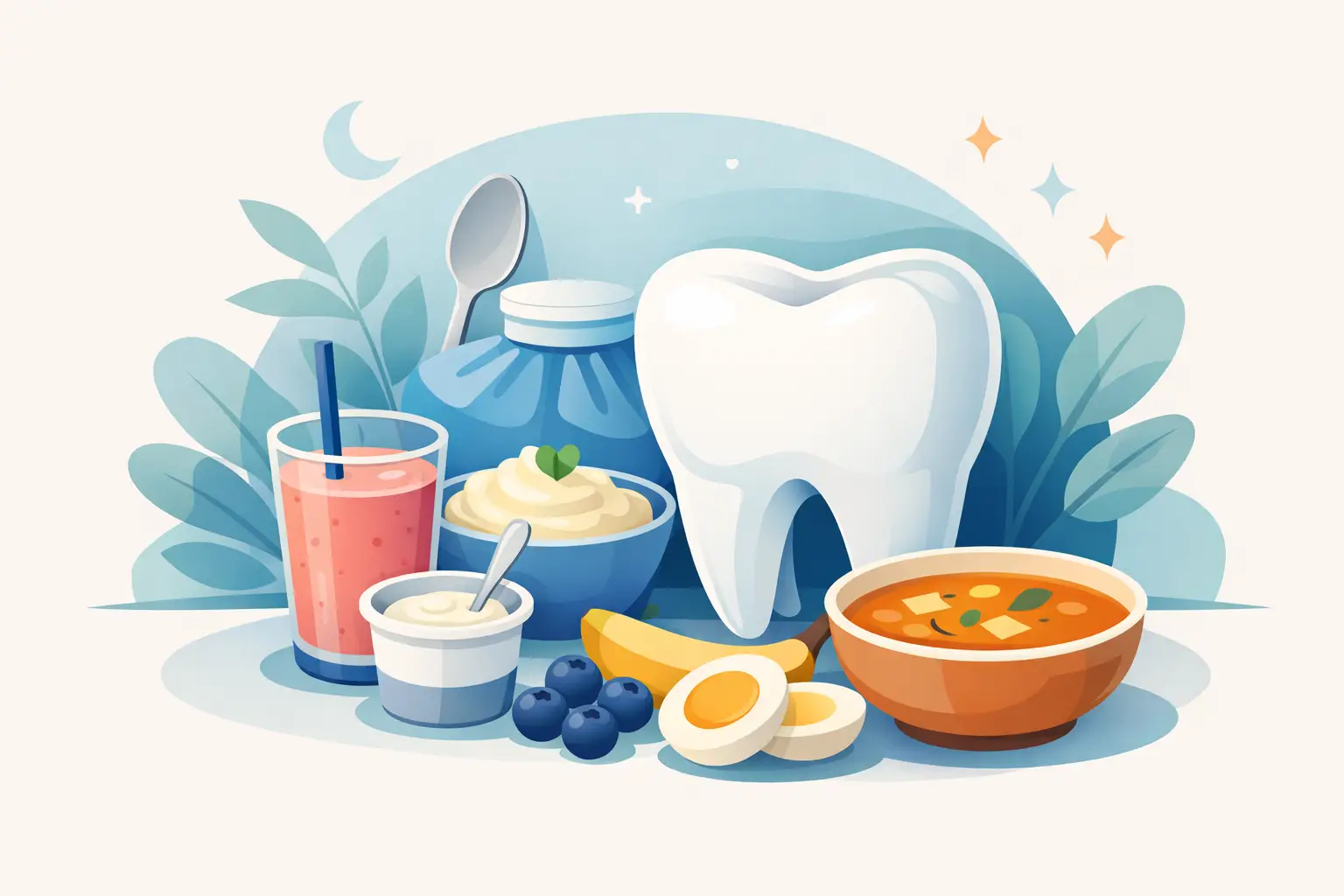
Applesauce is one of the easiest choices because it requires no chewing and feels soothing. Yogurt is another reliable option, especially if it is plain or low in sugar. Pudding, cottage cheese, and mashed bananas also work well when you want something soft that still feels like real food.
If you want something more substantial, mashed potatoes are often well tolerated as long as they are not too hot. Blended soups can also be a good choice, but let them cool to warm or lukewarm first. Broth alone may be comforting, though it is not very filling, so many patients do better when they add a soft side later in the day.
Smoothies can help, but there is one important catch – do not drink them through a straw. Suction can interfere with the clot. If you have a smoothie, use a spoon or sip gently from a cup. It is also smart to avoid smoothies with berries, seeds, or fruit chunks that could irritate the extraction site.
Soft foods to eat for the next several days
Once the first 24 hours have passed, many people can slowly expand their options while still sticking to soft foods. This stage is often where comfort and common sense matter most. If a food makes you chew hard, open wide, or feel pressure near the extraction site, it is probably too early.
Eggs are an excellent next-step food. Scrambled eggs are soft, high in protein, and easy to eat. Oatmeal can be a good option too, as long as it is not overly hot and has cooled enough to be comfortable. Some patients do well with soft pasta, macaroni and cheese, or well-cooked noodles cut into small bites.
Rice can be tricky early on because small grains may get into the socket, so it often makes sense to wait a little longer before trying it. The same goes for foods with tiny pieces, flakes, or crumbs. Even if the food itself seems soft, the texture may still be irritating.
Soft fish such as flaky baked fish may work after the first couple of days if chewing feels comfortable. Tofu, avocado, hummus, and soft beans can also be helpful for patients who want more variety. If you are trying to keep meals family-friendly, think in terms of foods that can be softened, blended, or mashed instead of cooking something completely separate.
What to avoid, even if you feel hungry
A food does not have to be hard to cause problems. Some items are risky because of texture, temperature, or the way they are eaten.
Crunchy foods like chips, popcorn, crackers, nuts, and raw vegetables can irritate the area or leave debris behind. Chewy foods such as bagels, steak, tough bread, and candy can pull on healing tissue. Spicy foods may sting. Acidic foods like citrus can also be uncomfortable for some patients.
Small particles are a common problem. Seeds, granola, shredded meat, and crumbly baked goods may slip into the extraction site without you realizing it. Hot foods and hot drinks should also be approached carefully in the beginning, especially on day one.
And one of the biggest recovery mistakes is using a straw. Even if the drink itself is soft and safe, the suction is not.
How to eat more comfortably while you heal
Eating after an extraction is not just about the menu. A few simple habits can make meals easier and lower the chance of irritating the area.
Take small bites and chew on the opposite side of your mouth if possible. Eat slowly. Choose foods that do not require much jaw movement, especially if your extraction was more involved or you are already feeling sore. If your dentist gave you specific post-op instructions, follow those first, since recovery can vary depending on whether you had a simple extraction, wisdom tooth removal, or grafting done at the same visit.
It also helps to stay hydrated. Sipping water regularly supports healing and keeps your mouth from feeling dry. Just avoid vigorous swishing in the early period unless your dentist has told you it is time to start rinsing gently.
Some patients find that several small meals are easier than trying to sit down for a full lunch or dinner. That is completely fine. Soft nutrition spread through the day is often more realistic than one large meal when your mouth is tender.
A simple timeline for adding foods back
Most patients do best when they think in phases instead of trying to guess meal by meal.
During the first 24 hours, focus on smooth, cool to lukewarm foods like yogurt, applesauce, pudding, mashed potatoes, and blended soup. For the next few days, add soft proteins and more filling foods such as scrambled eggs, oatmeal, soft pasta, cottage cheese, avocado, and tender fish.
After that, your diet can usually expand gradually based on comfort. If chewing feels easy and the area is healing well, you can start testing more textured foods one at a time. There is no prize for rushing this. Waiting a little longer is often better than irritating the site and setting yourself back.
When food problems may mean you should call the dentist
Some discomfort while eating is expected at first, but worsening pain is different. If you notice that eating becomes more painful instead of easier after a few days, it is worth checking in. The same is true if you have persistent bleeding, increasing swelling, bad breath that does not improve, a foul taste in your mouth, or pain that feels severe and throbbing.
These symptoms do not always mean something serious is wrong, but they should not be ignored. A caring dental team would rather answer your questions early than have you struggle through recovery alone. At Amor Dental Arts, that kind of reassurance matters because healing is not only clinical – it is personal.
Best foods after tooth extraction for real life recovery
The best foods after tooth extraction are the ones that support healing without making you miserable at mealtime. That usually means soft, simple foods with enough nutrition to keep your energy up and enough flexibility to fit your routine. Yogurt, applesauce, eggs, mashed potatoes, oatmeal, soup, avocado, and soft pasta are popular because they strike that balance well.
If you are ever unsure, a good rule is to ask yourself three questions. Is it soft? Is it easy to chew without pressure? Could it leave pieces behind or disturb the clot? Those answers will usually point you in the right direction.
A little caution at the table can spare you a lot of discomfort later, and each gentle meal is one more step toward feeling like yourself again.