Losing teeth changes more than your smile. It affects how you eat, how clearly you speak, and often how confident you feel around other people. When patients ask about dental implants vs dentures, they usually want a clear answer fast – but the truth is that the best option depends on your health, goals, budget, and how you want your teeth to feel day to day.
If you are trying to decide, it helps to think beyond the upfront price. Tooth replacement is not just about filling a space. It is about comfort, stability, maintenance, appearance, and protecting your long-term oral health.
Dental implants vs dentures: the core difference
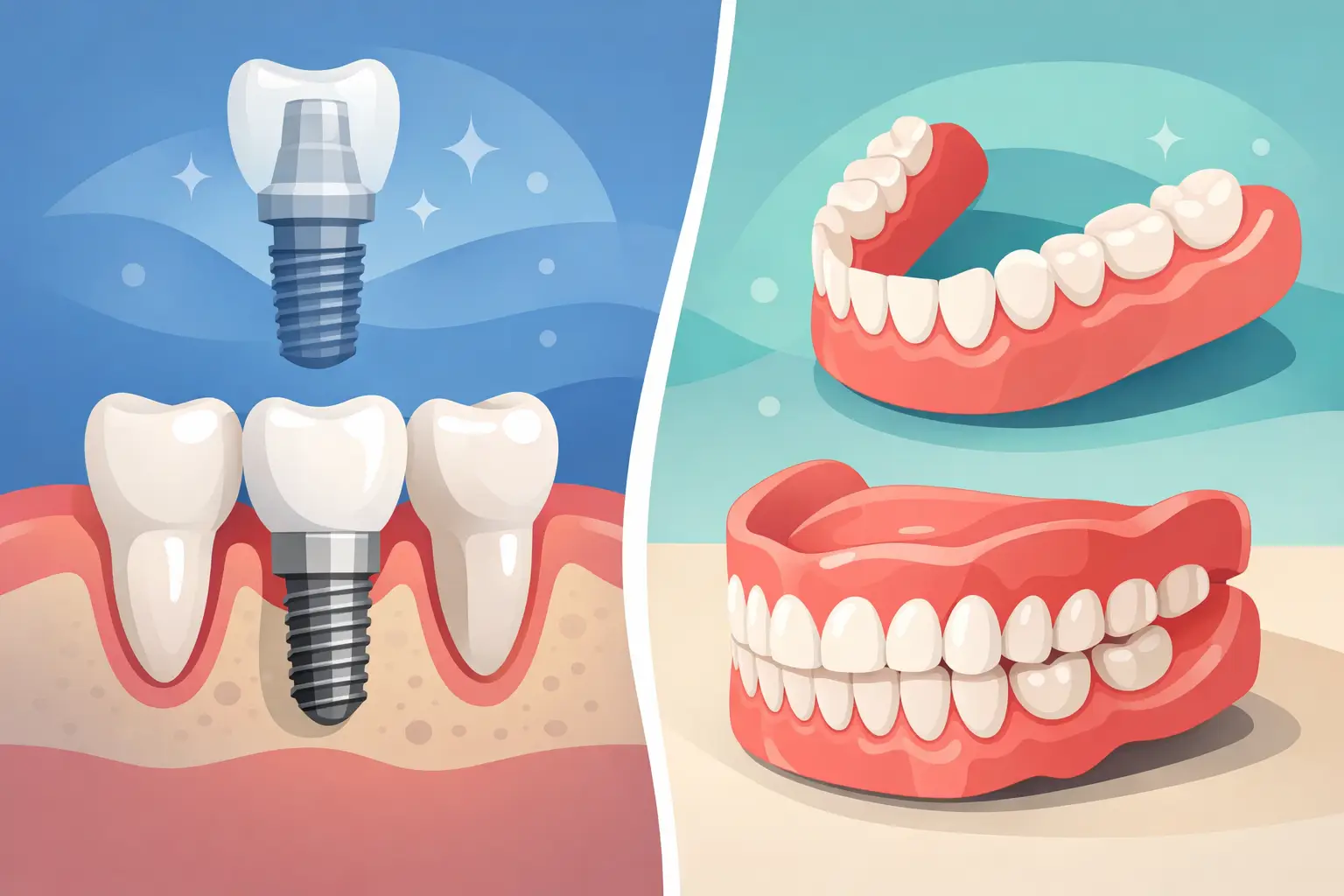
The biggest difference is how each option works. Dental implants replace missing tooth roots with small titanium posts placed in the jawbone. Once healed, they support crowns, bridges, or implant-secured dentures. That means the replacement teeth are anchored in place.
Dentures, by contrast, are removable appliances that sit on top of the gums. A full denture replaces all teeth in an arch, while a partial denture fills in gaps when some natural teeth remain. Traditional dentures do not fuse with bone or replace the root structure of the missing teeth.
This difference affects nearly everything else, from bite strength to comfort to long-term bone support.
How dental implants feel compared with dentures
For many patients, feel is the deciding factor. Implants tend to feel more like natural teeth because they are fixed in place. You do not remove them at night, and you do not have to worry as much about shifting while eating or speaking.
Dentures can still restore function and appearance very well, especially when they are carefully fitted and maintained. But because they rest on the gums, they may feel bulkier at first. Some patients notice movement, sore spots, or changes in fit over time as the shape of the jaw changes.
This is one reason people who have struggled with loose dentures sometimes ask about implant-supported options. Even placing a small number of implants can improve retention and reduce slipping.
Speaking and eating
With implants, patients often find it easier to bite into foods like apples, sandwiches, or meat because the teeth are secured. Speech can also feel more natural once healing is complete.
With dentures, there can be an adjustment period. Certain words may feel different at first, and some foods require more caution. Many denture patients do very well, but the learning curve is real, especially with lower dentures, which tend to be less stable than upper ones.
Appearance and confidence
Both implants and dentures can improve the look of your smile. A well-made restoration should be designed to match your facial structure, gum line, and overall appearance.
Implants often offer a more natural look in the long run because they help preserve jawbone and facial support. When teeth are missing for a long time, the bone underneath can shrink. That loss of structure can change the shape of the face, especially around the mouth.
Traditional dentures can look attractive, but they do not stop bone loss in the same way. Over time, that may affect fit and facial fullness. This is not always obvious right away, but it matters when patients are thinking years ahead rather than just months.
Cost: upfront price vs long-term value
This is where the decision often becomes more personal. Dentures usually cost less upfront than implants. For patients who need a faster, more budget-conscious solution, dentures can be a practical and effective choice.
Implants generally require a higher initial investment. The cost may also increase if you need extractions, bone grafting, or multiple implant placements. That said, implants can offer long-term value because they are more stable, more durable, and less likely to need the periodic relines, adhesives, or remakes that dentures often require.
There is no one-size-fits-all answer here. Some patients prefer the lower entry cost of dentures. Others decide that paying more for implants makes sense because of the comfort, function, and longevity.
What patients sometimes overlook
The cheapest option today is not always the least expensive over time. Dentures often need adjustments as the gums and bone change. If they become loose, chewing can become harder and sore spots can develop. Implants involve more planning at the start, but they may reduce future frustrations and maintenance needs.
Bone health and long-term oral changes
One of the biggest clinical advantages of implants is that they help stimulate the jawbone, much like natural tooth roots do. This can slow the bone loss that happens after teeth are removed.
Dentures replace teeth above the gumline, but they do not stimulate the bone underneath. As a result, the jaw can gradually shrink. This can change how dentures fit and may eventually affect facial support.
For patients who want the option that best protects the underlying bone, implants usually have the advantage. For patients who are not candidates for surgery or who want a non-surgical route, dentures remain an important treatment choice.
Who may be a good candidate for implants
A healthy implant candidate usually has enough jawbone to support the implant or is willing to consider grafting if needed. Gum health matters too, as does overall health. Conditions like uncontrolled diabetes, heavy smoking, or certain medications can affect healing.
This does not mean implants are off the table for everyone with medical concerns. It means the decision should be made carefully, with a full exam and a clear treatment plan.
Some patients also prefer implants simply because they want a fixed solution. They do not want to remove their teeth, use adhesive, or think about slippage in social settings.
Who may be a good candidate for dentures
Dentures may be the better fit for patients who want a more affordable option, need to replace many teeth quickly, or are not ready for oral surgery. They can also be appropriate for patients with significant bone loss who prefer not to pursue grafting or implant placement.
In many cases, dentures are not a second-best choice. They are simply a different choice. When designed well and adjusted as needed, they can restore appearance and function in a meaningful way.
For some people, the right answer is actually a combination approach – such as implant-supported dentures. This option gives patients the broader coverage of a denture with added stability from implants.
Dental implants vs dentures for daily care
Implants are brushed and cleaned much like natural teeth, though the exact routine depends on whether you have a single implant, bridge, or full-arch restoration. Regular dental visits are still essential to keep the gums and surrounding tissues healthy.
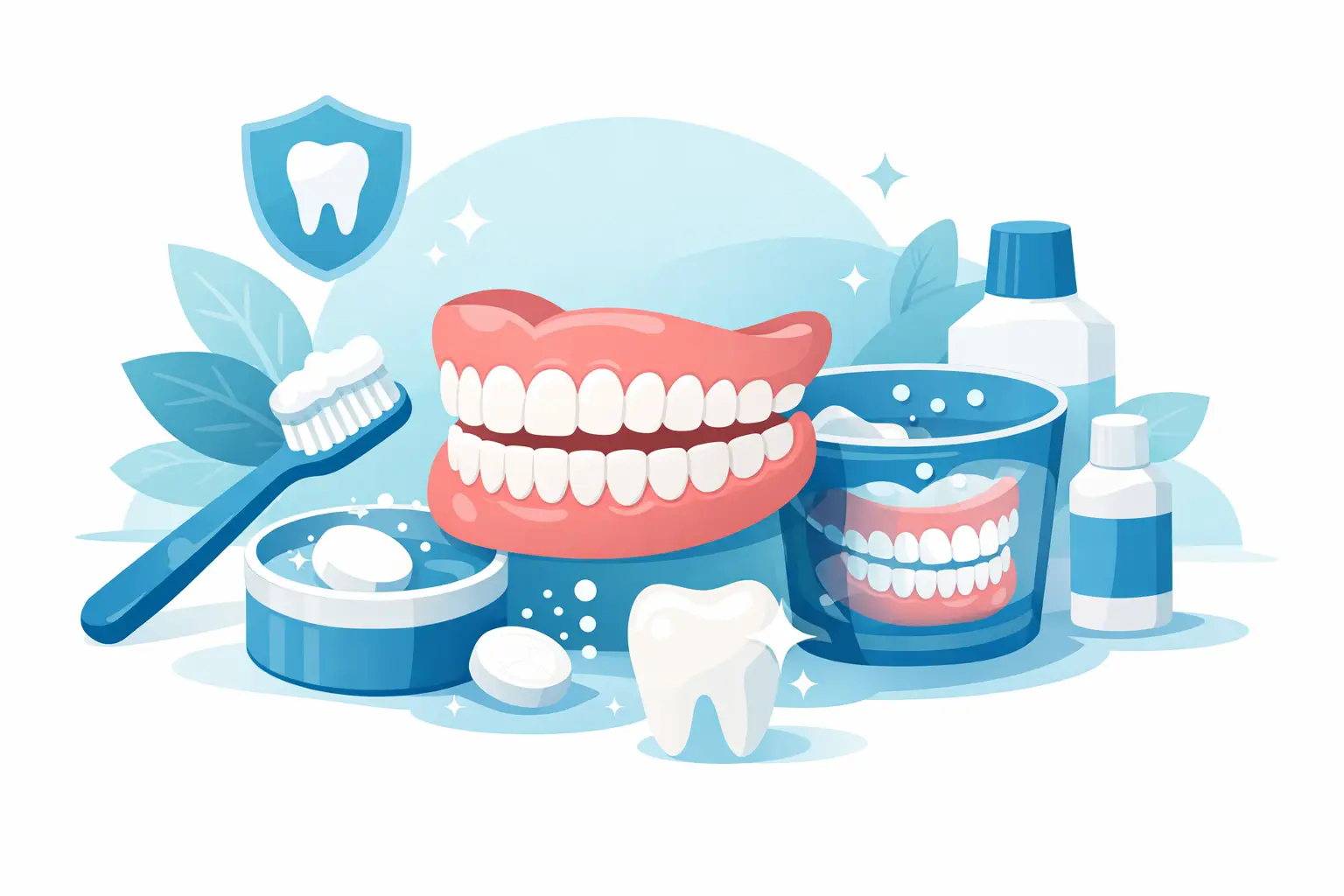
Dentures need daily cleaning too, but the process is different. They should be removed, cleaned thoroughly, and soaked as directed. The gums and any remaining natural teeth also need care. Some patients do not mind this routine, while others strongly prefer something fixed.
Lifestyle matters here. If you want low movement and a more natural feel, implants are often appealing. If you are comfortable with a removable appliance and want to avoid surgery, dentures may feel more manageable.
The emotional side of the decision
Tooth replacement is personal. Some patients are focused on chewing and function. Others are thinking about smiling in family photos, speaking confidently at work, or avoiding another major dental problem later.
There is also anxiety to consider. Implant treatment can involve surgery and healing time, which may feel intimidating. Dentures can be less invasive, but adapting to them may be frustrating at first. A good dental team should walk you through both the clinical and emotional sides of the choice, without pressure.
At Amor Dental Arts, that conversation starts with listening. The best treatment plan is not the one that sounds most advanced on paper. It is the one that fits your health, your priorities, and your life.
So which one is better?
If your priority is stability, long-term bone support, and a more natural feel, implants are often the stronger option. If your priority is affordability, faster treatment, and avoiding surgery, dentures may make more sense.
But better is not a universal label. Better means better for you.
A thoughtful exam can reveal things online articles cannot – how much bone you have, whether your gums are healthy, how many teeth need replacement, and what kind of result you want every time you eat, laugh, or look in the mirror. If you are weighing your options, the most helpful next step is a conversation that gives you real answers and enough clarity to move forward with confidence.