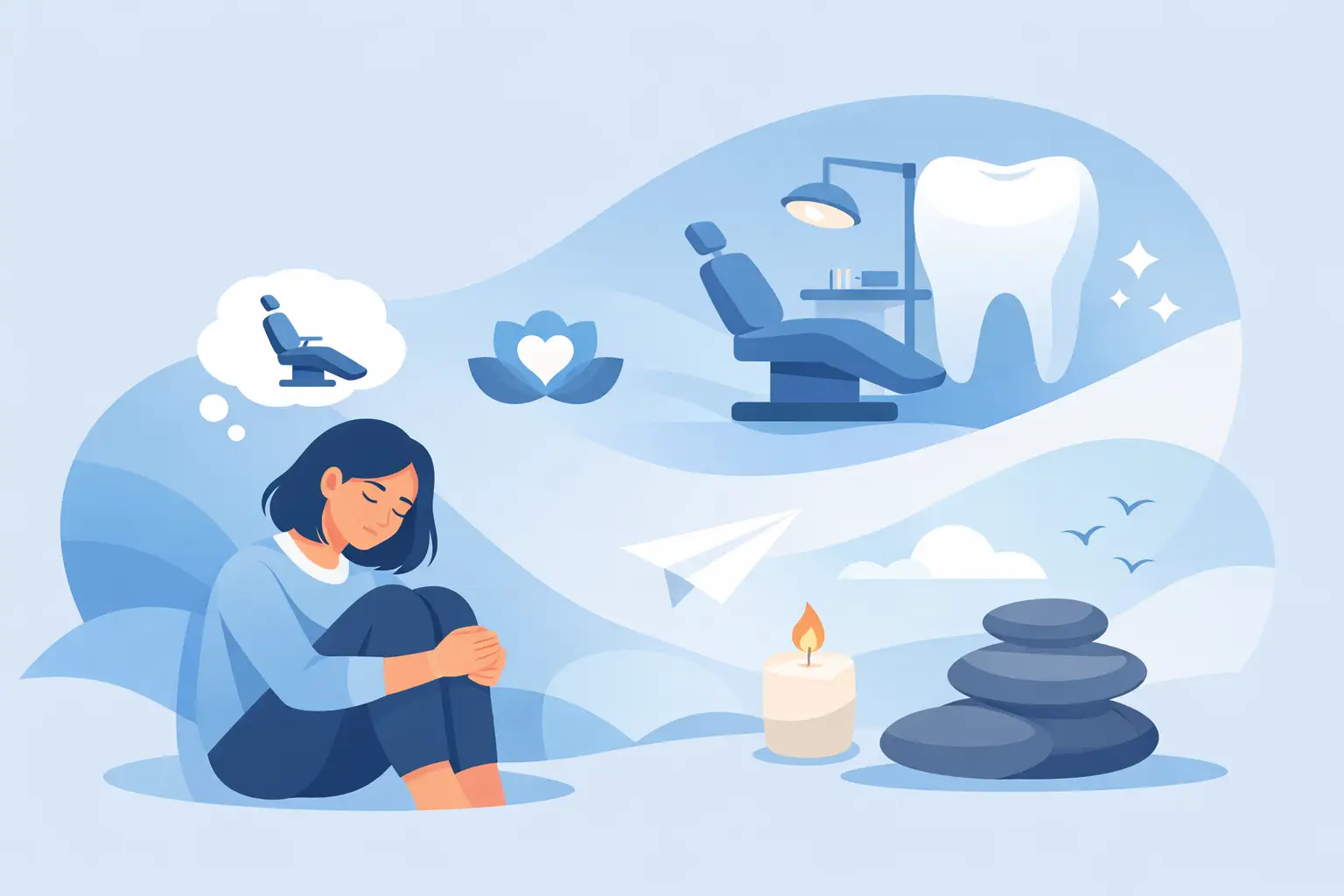
That moment before a dental appointment can feel bigger than it should. Your heart speeds up, your mind starts imagining worst-case scenarios, and even a routine cleaning can feel overwhelming. If you have ever searched for how to calm dental anxiety, you are far from alone. Dental fear is common in adults, teens, and children, and it does not mean you are overreacting. It means your body is trying to protect you, even when there is no real danger.
The good news is that dental anxiety can be managed. In many cases, it gets much better when you have a plan, the right dental team, and a clear understanding of what to expect.
Why dental anxiety feels so intense
Dental anxiety is rarely just about the teeth. For some patients, it comes from a past painful experience. For others, it is the sound of instruments, the feeling of lying back in the chair, worry about cost, embarrassment about dental problems, or simply not feeling in control.
That is why there is no single fix that works for everyone. What helps one person might not help another. The most effective approach usually combines emotional support, practical preparation, and a dentist who listens without judgment.
Anxiety also tends to grow in the gaps between visits. If someone delays care because they are nervous, small problems can become bigger ones. Then the next appointment feels even more intimidating. Breaking that cycle early matters.
How to calm dental anxiety before your appointment
Most of the work of calming fear starts before you ever sit in the dental chair. A few small steps can visit feel much more manageable.
Start by telling the office you are anxious when you schedule. This may feel uncomfortable, but it helps your care team prepare. They can allow extra time, explain what will happen, and discuss comfort options in advance instead of rushing through the conversation once you arrive.
It also helps to book your appointment at a time when you are less likely to feel stressed. Some patients do better with an early morning visit so they are not worrying all day. Others prefer a quieter part of the afternoon when they do not feel rushed getting out the door. There is no perfect time, only the time that feels most realistic for you.
The night before, keep things simple. Try to get enough sleep, avoid too much caffeine, and do not read worst-case stories online. If your mind tends to spiral, write down three questions you want answered at the appointment. Clear information often reduces fear.
A grounding routine can also help. Slow breathing, a short walk, calming music on the drive over, or a few minutes of quiet before leaving home can lower your stress level enough to make the visit feel more doable.
What to say if you feel embarrassed
A lot of anxious patients are not only afraid of treatment. They are afraid of being judged.
Maybe it has been years since your last exam. Maybe you know you need more than a cleaning. Maybe you are worried someone will ask why you waited so long. That kind of shame can keep people away even when they are in pain.
A caring dental practice understands this. Good dentistry is not about making anyone feel guilty. It is about meeting you where you are, explaining the condition of your oral health clearly, and helping you move forward one step at a time.
If you are unsure how to bring it up, say it plainly: I am nervous, and I have been putting this off. That one sentence gives your dental team a chance to slow down, reassure you, and tailor the visit to your comfort level.
What helps during the appointment
If you are wondering how to calm dental anxiety once you are actually in the office, communication is usually the biggest factor.
Ask the dentist to explain each step before it happens. Many patients feel calmer when there are no surprises. Others prefer less detail and only want to know the basics. Either approach is fine. What matters is that the team knows what helps you feel more in control.
It can also help to agree on a signal, such as raising your hand, if you need a break. This gives you a sense of control even during treatment. Anxiety often decreases when patients know they can pause instead of feeling trapped.
Simple comfort measures matter too. Headphones, a stress ball, a blanket, or focused breathing can make a bigger difference than people expect. These tools do not erase fear completely, but they can lower the intensity enough to get through the appointment more comfortably.
For children and teens, calm language from both the parent and the dental team is especially important. Kids often take cues from the adults around them. A reassuring tone, clear explanations, and a gentle pace can shape how they feel about dental care for years.
When sedation dentistry makes sense
For some patients, relaxation techniques are enough. For others, they are helpful but not quite enough on their own. This is where sedation dentistry may be worth discussing.
Sedation can be a good option for people with severe anxiety, a strong gag reflex, difficulty sitting still for longer visits, or a history of avoiding needed care because of fear. It may also help during more involved procedures.
The right option depends on your health history, the type of treatment, and your level of anxiety. Some patients only need a mild level of support to take the edge off. Others need a more structured sedation plan. The best choice is the one that improves comfort without making the process feel more complicated than it needs to be.
A trustworthy dentist will explain what sedation does, what it does not do, and whether it is appropriate for your situation. That conversation should feel clear and pressure-free.
Why modern dentistry can make a real difference
Many dental fears are based on memories of older experiences. Dentistry has changed significantly over time, and that matters for anxious patients.
Today, many practices use digital imaging, improved local anesthetics, gentler techniques, and technology designed to make treatment more precise and comfortable. That does not mean every visit feels effortless, but it can mean shorter appointments, less discomfort, and fewer unknowns.
Comfort also comes from consistency. Seeing a dental team that knows your history, remembers your concerns, and takes your anxiety seriously can gradually rebuild trust. For families and busy adults, having comprehensive care in one place can reduce stress as well. When exams, restorative care, cosmetic treatment, and urgent visits can be handled under one roof, there are fewer moving parts to worry about.
Small steps count more than perfect bravery
One mistake people make is thinking they need to become fearless before they make an appointment. That is usually not how progress works.
You do not need to love going to the dentist. You do not even need to feel calm the whole time. Often, the real goal is simply to get through the first step. That might mean scheduling the visit, showing up for a consultation, or completing a basic exam before planning treatment.
Once a patient has one respectful, comfortable experience, the next visit is often easier. Confidence builds from proof, not from forcing yourself to be fearless.
If fear has kept you away from care, start smaller than you think you need to. Ask for a consultation instead of a full procedure. Request extra time. Bring your questions. Let the office know you need a gentle approach. A compassionate practice like Amor Dental Arts understands that comfort is not a bonus. It is part of good care.
When to stop waiting
There are times when delaying care because of anxiety creates bigger problems than the appointment itself. Tooth pain, swelling, broken teeth, bleeding gums, and signs of infection should not be ignored. The longer these issues continue, the more stressful treatment can become.
If that sounds familiar, try to focus only on the next action, not the entire treatment plan. You do not need to solve everything today. You only need to start the conversation.
Feeling nervous about the dentist is human. What matters is finding a team that treats that fear with respect, explains your options clearly, and helps you take the next step at a pace that feels manageable.