A lot of parents ask the same question once adult teeth start coming in crooked or crowded: when do kids need braces? The honest answer is that it depends on your child’s growth, bite, and how their permanent teeth are developing. Some kids need treatment earlier than parents expect, while others do best by waiting until more adult teeth have erupted.
When do kids need braces in most cases?
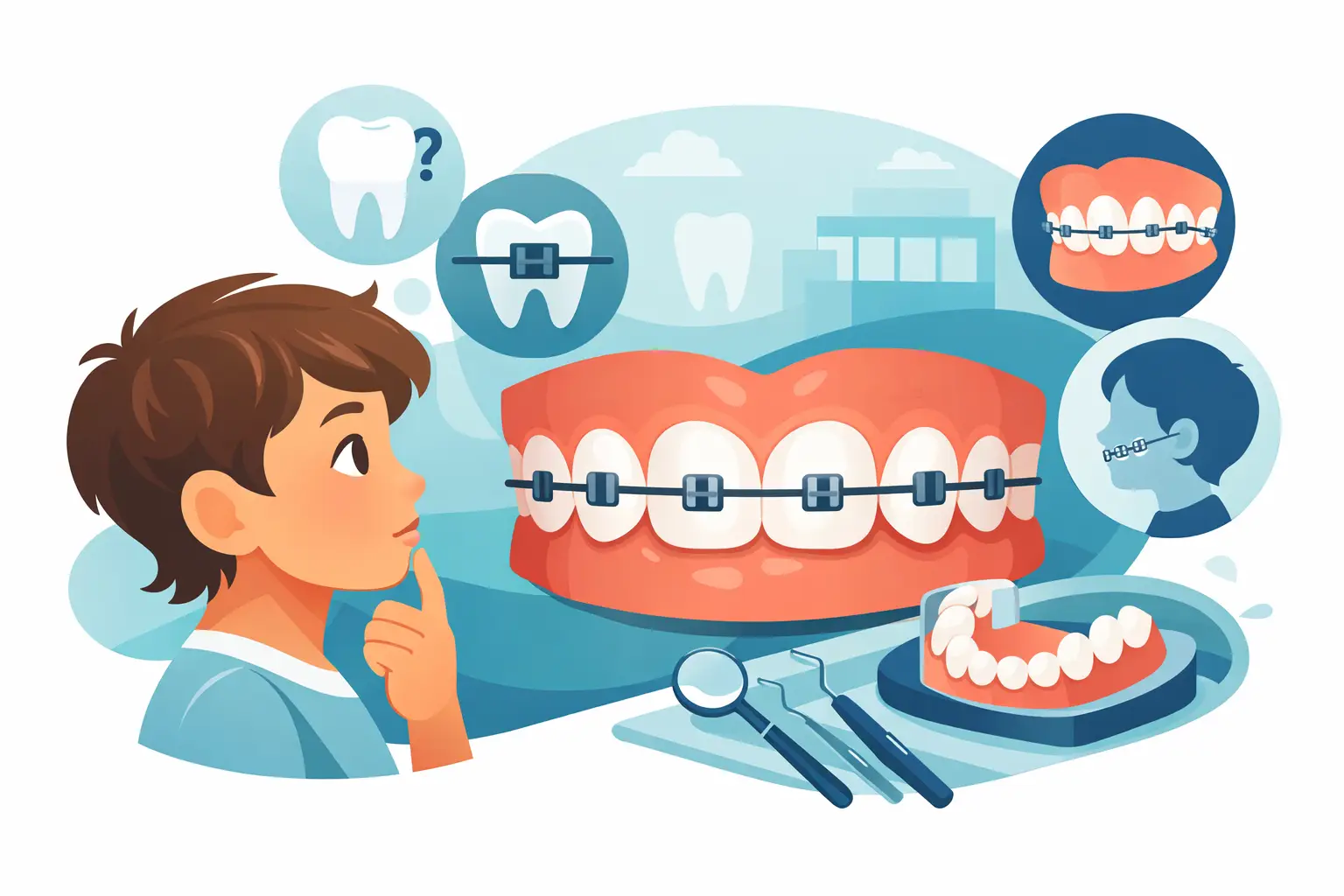
Many children do not get braces the moment a problem is noticed. In most cases, braces are placed between ages 9 and 14, when enough permanent teeth are in place and the jaw is still growing. That window often gives dentists and orthodontic providers the best chance to guide alignment effectively.
That said, the first orthodontic evaluation usually happens earlier. Around age 7, many children have a mix of baby teeth and permanent teeth, which makes it easier to spot developing issues. An early evaluation does not automatically mean early braces. Often, it simply gives parents a clear plan and helps avoid surprises later.
Why age 7 matters
By age 7, children often have their first molars and front permanent teeth. Those teeth offer important clues about spacing, jaw growth, and bite alignment. If a child has a crossbite, a severe overbite, crowding, or teeth coming in where they should not, those issues can become easier to see at this stage.
Early evaluation matters because some problems are less complicated to address while a child is still growing. In certain cases, waiting too long can allow a bite problem to worsen or make future treatment more involved. In other cases, the best plan is simply to monitor growth every few months and begin treatment later.
Signs your child may need braces
Parents usually notice more than just crooked teeth. Sometimes the signs are functional before they are cosmetic. A child may have trouble biting into food, breathing through the mouth, or closing the lips comfortably. Others may grind their teeth, bite their cheeks often, or have jaws that seem to shift when they open and close.
A few common signs include crowded or overlapping teeth, large spaces between teeth, early or late loss of baby teeth, teeth that do not meet correctly, or jaws that seem too far forward or too far back. Speech changes can also play a role, especially if tooth position affects certain sounds.
Thumb sucking beyond the early years can also change bite development. So can tongue thrusting and certain airway or mouth-breathing habits. These issues do not always lead to braces, but they are worth discussing during a dental visit.
Problems braces can correct
Braces do more than straighten a smile. They help improve the way the teeth and jaws work together. That matters for chewing, speech, cleaning between teeth, and reducing uneven wear.
Children may need braces for crowding, spacing, overbites, underbites, crossbites, open bites, or impacted teeth. Some children also need treatment because their jaws are developing unevenly. In these cases, orthodontic care can support healthier function and may reduce the chance of more invasive treatment later.
There is also a preventive side to braces. Very crowded teeth can be harder to brush and floss well, which may raise the risk of cavities and gum irritation. Straightening teeth can support oral health, not just appearance.
Early treatment versus waiting
This is where parents often feel uncertain. If a child is young and a problem is already visible, should treatment begin right away?
Sometimes yes, but not always. Early orthodontic treatment, often called Phase 1 treatment, is typically recommended when there is a significant bite issue, jaw discrepancy, or eruption problem that should be addressed while the child is still growing. This might include expanding the upper jaw, correcting a crossbite, guiding incoming teeth, or creating room for crowded teeth.
Other times, waiting is the better choice. If the issue is mild or if the permanent teeth have not erupted enough yet, starting too soon can add time without adding much benefit. A careful provider will explain whether your child needs treatment now or simply needs observation.
That balance is important. Good orthodontic planning is not about rushing into braces. It is about choosing the right time for the right treatment.
What happens at the first orthodontic evaluation?
For many families, the first visit is mostly about information and reassurance. The dentist or orthodontic provider will look at how the teeth fit together, how the jaws are growing, whether there is enough room for permanent teeth, and whether habits or airway concerns may be affecting development.
X-rays and photos may be used to see teeth that have not erupted yet and to assess jaw position. From there, parents typically get one of three answers: your child is ready for treatment, your child may need early interceptive treatment, or your child should be monitored and rechecked later.
That kind of clarity can be a relief. It gives families a plan instead of guesswork.
How long do kids wear braces?
Treatment time varies. Many children wear braces for 18 to 24 months, but that is not a rule. A simpler spacing issue may take less time, while more complex bite correction may take longer. If a child has two phases of treatment, the first phase may be shorter and more targeted, followed by braces later in the teen years.
Consistency also matters. Missed appointments, broken brackets, and not wearing rubber bands or retainers as instructed can slow progress. On the other hand, children who follow instructions carefully often finish treatment more efficiently.
Are braces the only option?
Not always. Some younger children benefit from space maintainers, palatal expanders, or other appliances before full braces are needed. Some older teens may be candidates for clear aligners, depending on the bite and level of compliance.
The right option depends on the problem being treated. Traditional braces can be especially effective for more complex movements and bite issues. Appliances used earlier in childhood may help create a better foundation before braces begin.
This is one reason comprehensive family dental care can be so helpful. When your child’s regular dental visits and orthodontic planning are coordinated, it becomes easier to track development and act at the right time.
When braces are about health, not just looks
Parents sometimes worry they are overreacting if they ask about braces early. That concern is understandable, especially if the child is not bothered by appearance yet. But orthodontic treatment is often about more than cosmetics.
A poor bite can affect comfort, function, and long-term wear on the teeth. Severe crowding can make home care harder. Teeth that stick out significantly may also be more vulnerable to injury. Addressing these problems can support your child’s comfort and oral health for years to come.
At the same time, not every child with a slightly crooked smile needs urgent treatment. Mild issues may simply need observation until the timing is better. A trustworthy dental team will explain that difference clearly and without pressure.
When should parents schedule an evaluation?
If your child is around age 7, has visible crowding, has trouble with their bite, or you have any concern about how the teeth are coming in, it is a good time to ask. Even if the answer is “not yet,” early guidance can help you understand what to watch for.
For families in Norristown and nearby communities, having that conversation during a routine dental visit can be the easiest first step. At Amor Dental Arts, families often appreciate knowing whether a child needs treatment now, later, or simply careful monitoring as adult teeth continue to erupt.
A child does not need a perfect smile to be healthy, and not every crooked tooth means braces are needed right away. What matters most is understanding your child’s growth pattern, bite, and timing. If something looks off, trust your instincts and ask early. Peace of mind is valuable, and when treatment is needed, starting at the right time can make the whole process easier on your child and your family.