A small chip on a front tooth can change how you feel in photos, at work, or even when ordering coffee. The good news is that cosmetic dentistry often offers more than one thoughtful solution. When comparing veneers vs dental bonding, the better choice depends on what you want to change, how long you want the result to last, your budget, and the health of your teeth and bite.
At Amor Dental Arts, we believe a cosmetic recommendation should never be one-size-fits-all. A natural-looking smile begins with listening to your goals, evaluating your oral health, and explaining the trade-offs clearly so you can feel comfortable with your decision.
Veneers vs Dental Bonding: The Core Difference
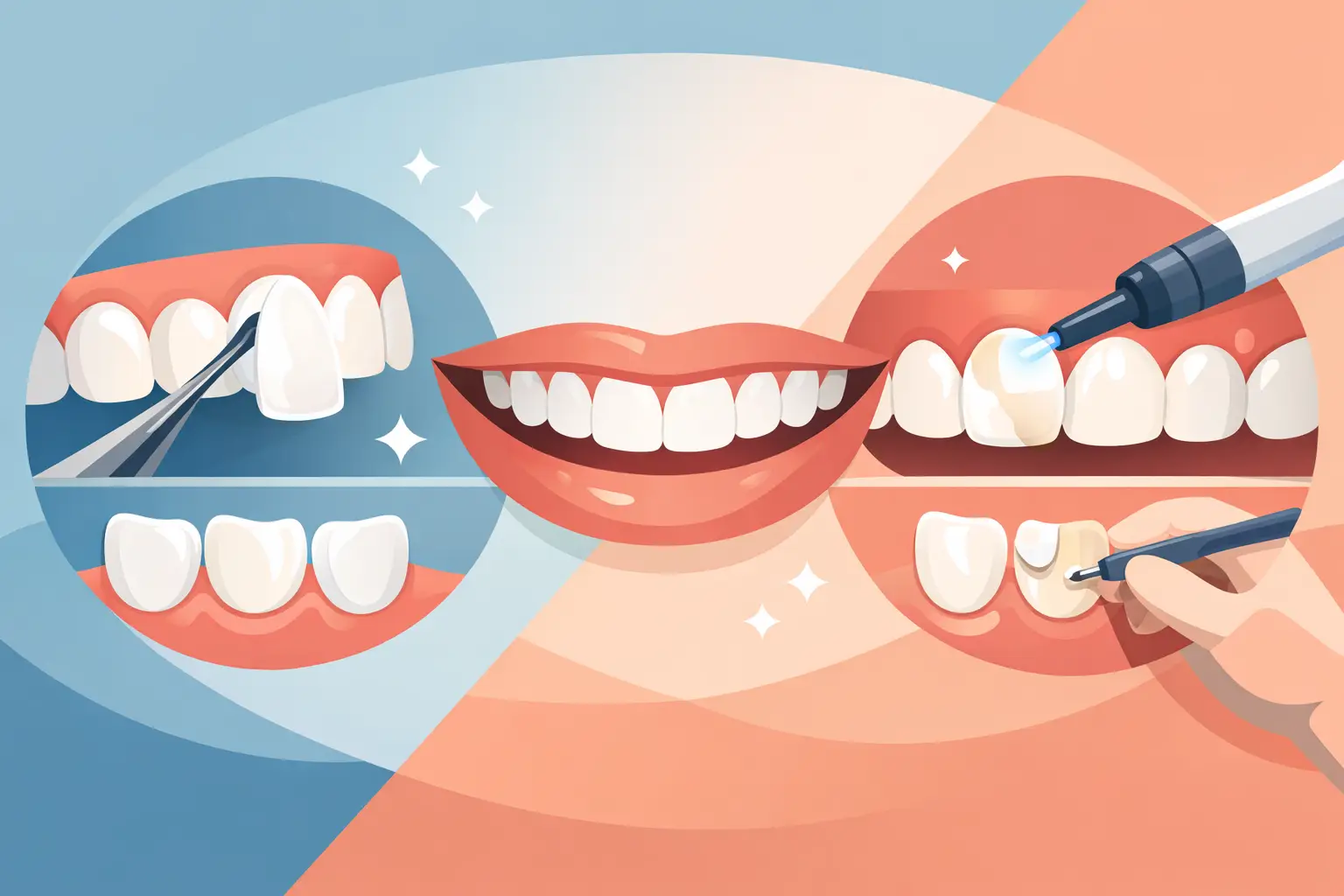
Dental bonding uses a tooth-colored composite resin. Your dentist applies and shapes the resin directly on the tooth, then hardens it with a special curing light. It can repair minor chips, close small gaps, soften uneven edges, cover limited discoloration, or improve the appearance of a tooth with an irregular shape.
Veneers are thin custom shells, most commonly made of porcelain, that cover the front surface of a tooth. They are designed in a dental lab to create a more significant and consistent change in color, shape, size, or alignment. Veneers are often chosen when several visible teeth need a coordinated cosmetic improvement.
Both treatments can look beautiful and natural. The practical difference is that bonding is usually more conservative and quicker, while veneers are generally more durable and better suited for broader smile changes.
When Dental Bonding May Be the Right Choice
Dental bonding is often a good option for a single concern or a modest correction. If you have one chipped front tooth, a narrow gap between teeth, slight edge wear, or a small area of discoloration, bonding may provide the improvement you want without extensive treatment.
One of its biggest advantages is how little tooth preparation it usually requires. In many cases, the dentist can add resin directly to the enamel with little or no removal of natural tooth structure. The appointment is often completed in one visit, which can be especially helpful for busy adults, parents, or anyone preparing for an upcoming event.
Bonding also tends to have a lower upfront cost than porcelain veneers. That can make it an appealing starting point for patients who want a noticeable improvement while keeping treatment more affordable. However, lower initial cost does not always mean lower cost over many years. Composite resin can stain, dull, chip, or wear down sooner than porcelain, and it may need periodic polishing, touch-ups, or replacement.
Bonding is not ideal for every situation. Larger repairs, heavy bite forces, severe discoloration, and teeth that are significantly crooked or worn may call for another treatment. If you grind or clench your teeth, the resin can be more likely to chip unless your bite is managed and you wear a protective nightguard when recommended.
When Veneers May Be Worth It
Porcelain veneers are often considered when the goal is a more comprehensive smile transformation. They can help create consistency across multiple front teeth that vary in color, shape, spacing, or proportion. For example, veneers may be appropriate when teeth are deeply stained and do not respond well to whitening, when several teeth have visible wear, or when minor crowding creates an uneven smile line.
Porcelain has qualities that make it especially appealing for cosmetic work. It reflects light in a way that resembles natural enamel and resists stains better than composite resin. With good home care and regular dental visits, veneers can often last 10 to 15 years or longer, though their lifespan varies based on bite forces, habits, and overall oral health.
The trade-off is that veneers generally require more planning, more time, and a greater financial investment. A small amount of enamel is commonly reshaped to make room for the veneer and avoid a bulky appearance. Because enamel does not grow back, traditional veneer preparation is usually irreversible. Some patients may qualify for minimal-prep options, but these are not suitable for every tooth or every smile goal.
Veneers also require at least two appointments in many cases. During the first visit, your dentist prepares the teeth, takes detailed impressions or digital scans, and discusses shade and shape. Temporary veneers may be placed while the final restorations are crafted. At the delivery appointment, the dentist carefully evaluates the fit, color, bite, and appearance before bonding the veneers into place.
Comparing Cost, Durability, and Treatment Time
The clearest way to think about veneers vs dental bonding is to compare what each treatment is designed to do. Bonding is often the more efficient answer to a small, localized concern. Veneers are often the stronger long-term option for multiple cosmetic concerns across the smile.
Cost varies based on the number of teeth treated, the complexity of your case, the materials used, and whether other dental care is needed first. Because both bonding and veneers are usually cosmetic treatments, insurance may not cover them. A personalized consultation is the best way to receive an accurate estimate and discuss payment options before treatment begins.
In terms of durability, porcelain veneers generally outperform composite bonding. Veneers resist staining from coffee, tea, red wine, and tobacco better than resin. Bonding can still look excellent, but it benefits from regular professional cleanings and occasional maintenance. If the resin chips, it can often be repaired. A damaged porcelain veneer may require replacement instead.
Treatment time is another meaningful difference. Bonding can frequently be completed in a single appointment. Veneers require a more involved process but offer a custom result that can address several cosmetic details at once. Neither is automatically better. The right choice is the one that fits your teeth, priorities, and comfort level.
Your Natural Teeth and Bite Come First
Before placing veneers or bonding, a dentist should check for concerns that could affect the result. Untreated cavities, gum disease, cracked teeth, active infection, and significant bite problems should be addressed before cosmetic work. A healthy foundation protects both your comfort and your investment.
Your bite matters as much as the appearance of your teeth. If front teeth collide heavily when you chew or move your jaw, cosmetic material can chip or loosen over time. For patients who grind their teeth at night, a custom nightguard may be part of protecting veneers or bonding. In some cases, orthodontic treatment such as Invisalign may be a better first step if tooth position is the main issue.
It is also wise to discuss whitening before treatment. Natural teeth can be whitened, but porcelain veneers and composite bonding will not change color after placement. If you want a brighter overall smile, whitening first can help your dentist match the final restoration to your preferred shade.
Caring for Veneers or Bonding
Both options need the same basics: brush twice daily with a nonabrasive toothpaste, floss daily, and keep up with professional exams and cleanings. Good gum health is essential because veneers and bonding sit alongside natural gum tissue, and inflamed gums can affect both appearance and comfort.
Avoid using your teeth as tools to open packages, bite nails, or tear plastic. Be mindful with hard foods such as ice, popcorn kernels, and hard candy, particularly if you have bonding on the edges of front teeth. If you play contact sports, wear a properly fitted mouthguard.
Porcelain veneers do not decay, but the natural tooth beneath and around them still can. Bonding also needs attention at its edges, where plaque can collect if brushing and flossing are inconsistent. Cosmetic treatment works best when it is supported by lifelong preventive care.
Choosing a Smile Solution You Can Feel Good About
A mirror cannot tell you whether bonding, veneers, whitening, orthodontics, or a combination of treatments will give you the healthiest result. That decision takes an in-person exam, a conversation about your goals, and a close look at your teeth, gums, and bite.
If you want a quick repair for a small flaw, bonding may be exactly what your smile needs. If you are seeking a longer-lasting, more uniform change across several front teeth, veneers may be the more fitting path. A caring dental team can help you weigh both choices without pressure, answer every question, and create a plan that lets you smile more freely.