A first dental appointment should not feel like a test you need to pass. If you have been wondering what happens during a first dental visit, expect a conversation, a careful look at your oral health, and clear guidance about what comes next. Whether you are bringing in a child, returning after years away, or looking for a new family dentist in Norristown, the goal is the same: to help you feel heard, comfortable, and confident in your care.
Before You Sit in the Dental Chair
Your visit usually begins with a few practical details. The front desk team will confirm your contact information, insurance if applicable, and health history. This is more than paperwork. Your medical history can affect dental care, including the medications you take, allergies, pregnancy, diabetes, heart conditions, joint replacements, and previous reactions to anesthesia or sedation.
You will also have a chance to share why you scheduled the appointment. Perhaps a tooth has started hurting, you have noticed bleeding gums, you want to improve your smile, or it is simply time for a checkup. Be honest about dental anxiety, too. A caring dental team wants to know what has made past visits difficult, whether that is a sensitive gag reflex, fear of needles, trouble getting numb, or concern about costs.
For children, parents can help by describing the appointment in simple, positive terms. Avoid promising that nothing will happen or that a visit will never feel uncomfortable. Instead, explain that the dentist will count teeth, look at their smile, and help keep their mouth healthy.
What Happens During a First Dental Visit Exam
After you are settled, a dental assistant or hygienist may take your blood pressure and review your health information. They may ask about concerns such as jaw soreness, teeth grinding, snoring, dry mouth, sensitivity, or changes you have noticed in your gums or teeth.
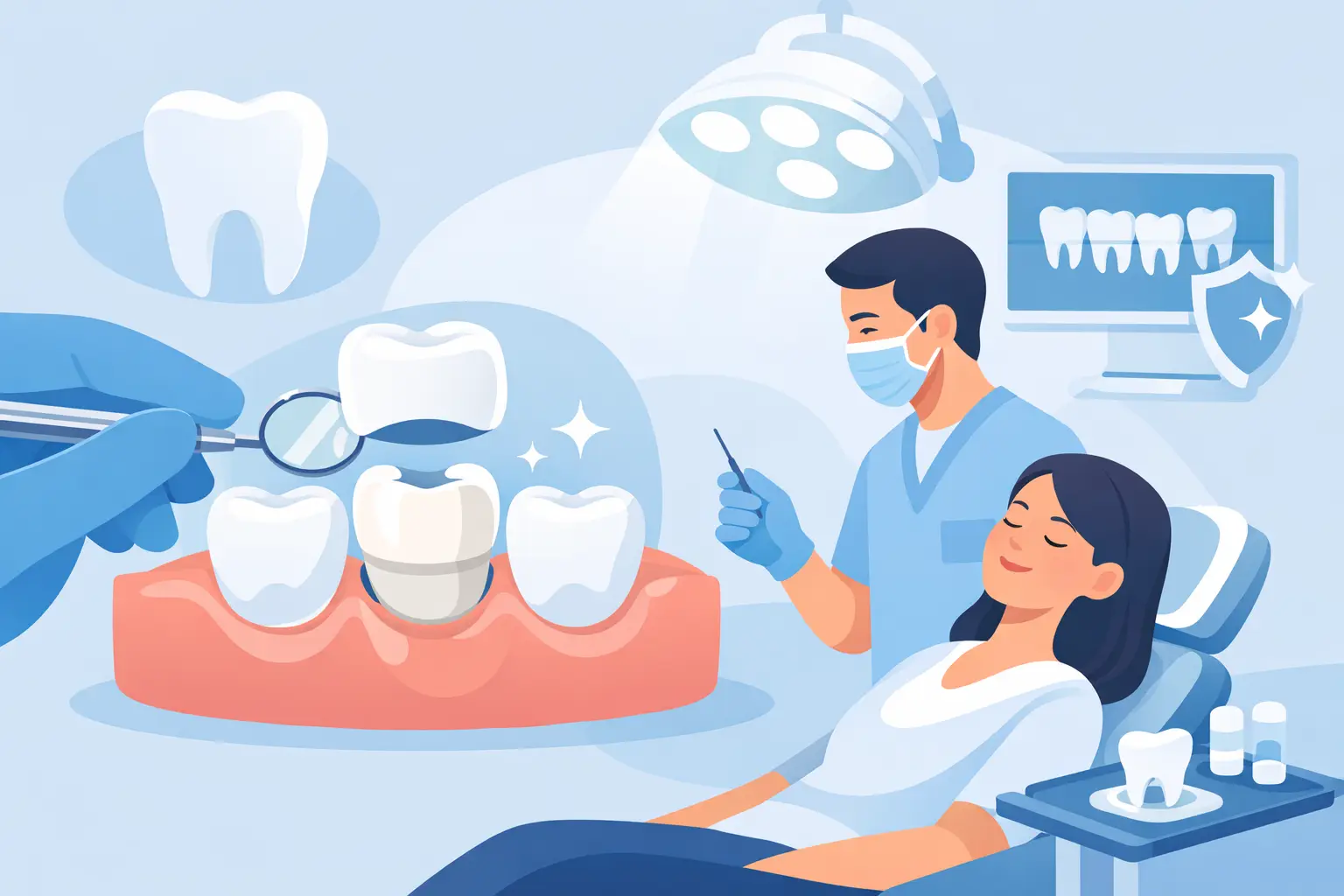
The dentist then performs a comprehensive oral examination. This includes looking at each tooth for signs of decay, worn enamel, cracks, older fillings or crowns that may need attention, and possible infection. They also examine your gums for inflammation, recession, bleeding, or signs of periodontal disease.
A thorough exam goes beyond teeth. Your dentist checks your bite, jaw joints, tongue, cheeks, lips, palate, and other soft tissues. This screening can identify concerns such as oral cancer warning signs, bite problems, jaw tension, and issues related to clenching or grinding. Most of the exam is quick and gentle, but it provides a valuable baseline for future visits.
If you have a specific concern, such as a chipped tooth or pain when chewing, the dentist will focus on that area and explain what they see. A sore tooth is not always caused by a cavity. It could involve a cracked tooth, gum infection, sinus pressure, an older restoration, or nerve inflammation. Finding the real cause matters before treatment is recommended.
Digital X-rays When They Are Needed
Many first appointments include dental X-rays, especially if your new dentist does not have recent images from another office. X-rays show what cannot be seen during a visual exam: decay between teeth, bone levels around the roots, impacted teeth, infection, cysts, and concerns beneath existing restorations.
Digital X-rays use very low radiation and are taken only when clinically appropriate. The number and type of images depend on your age, dental history, current symptoms, and risk for decay or gum disease. A patient with no symptoms and recent usable X-rays may need fewer images than someone experiencing pain or returning to care after several years.
Your dental team should explain why images are recommended and review relevant findings with you in plain language. You should not have to guess what you are seeing on a screen or why a treatment is being discussed.
Will Your First Visit Include a Cleaning?
Sometimes, yes. A routine cleaning may be completed during the first appointment if your gums are healthy, enough time is available, and the exam confirms that a standard preventive cleaning is right for you.
However, it depends on what your gums need. If there is significant tartar buildup, bleeding, or bone loss associated with gum disease, a deeper periodontal cleaning may be recommended instead. This is not an upsell or a reason to worry. A standard cleaning focuses above the gumline, while periodontal treatment cleans deeper areas where bacteria and hardened deposits can collect.
In some cases, the dentist may recommend completing a focused emergency exam first. For example, severe tooth pain, swelling, a broken tooth, or a lost filling may need prompt attention before routine preventive care. At Amor Dental Arts, patients can receive comprehensive care under one roof, so a plan can account for both immediate concerns and long-term oral health.
Your Dentist Will Discuss Findings and Options
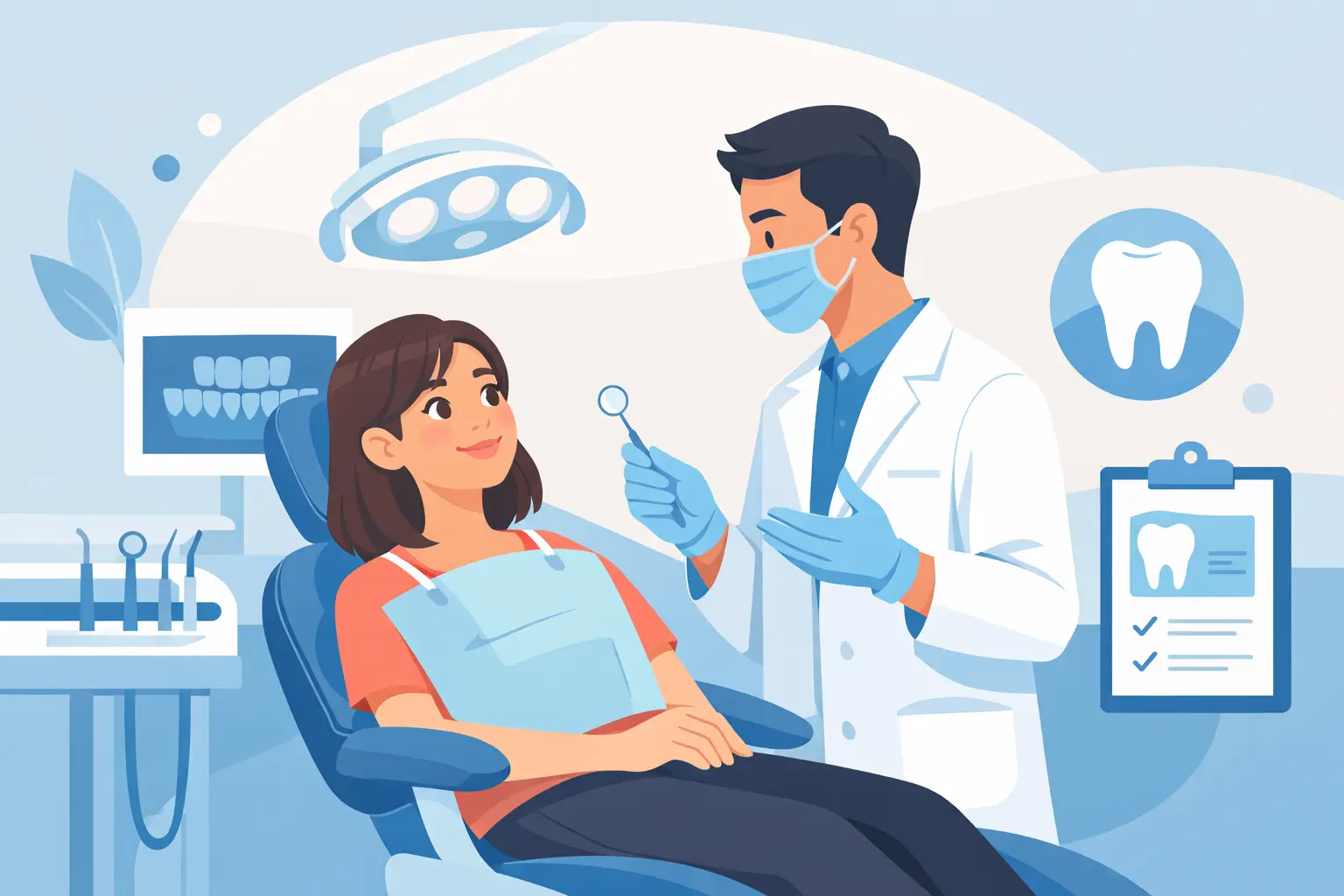
The most valuable part of a first visit is often the conversation after the exam. Your dentist should explain what is healthy, what needs monitoring, and what should be treated soon. If treatment is recommended, ask questions until you understand the purpose, timing, benefits, risks, and alternatives.
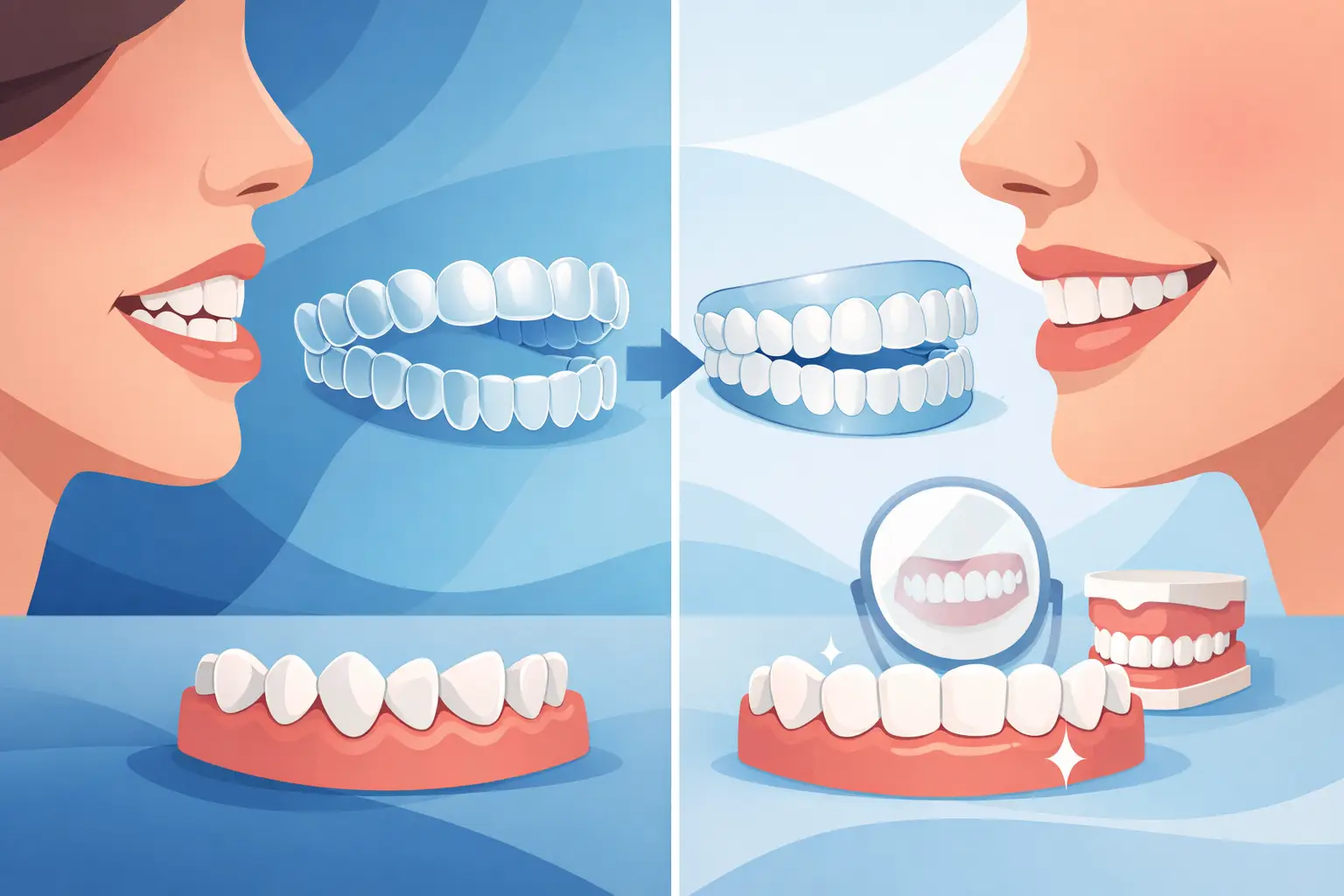
Not every issue needs to be addressed immediately. A tiny area of early enamel weakening may be monitored with fluoride and improved home care. A painful tooth with a deep infection may require more urgent treatment, such as a root canal or extraction. Cosmetic concerns, including whitening, veneers, or Invisalign, can often be planned around your schedule and budget.
You may receive a treatment plan that outlines recommended services, expected costs, insurance estimates, and appointment timing. If you have several needs, the plan may be phased. This approach can prioritize urgent care, protect your oral health, and make treatment more manageable financially and practically.
How to Prepare for Your Appointment
Bring a photo ID, insurance card if you have one, and a list of medications or supplements you take. If you have dental records or recent X-rays from another office, those can be useful, although the team can advise whether they are needed.
Try to arrive a few minutes early so you do not feel rushed completing forms. Eat normally before a routine appointment unless you have been given specific instructions for sedation or a procedure. If you are coming in for pain, write down when it started, what makes it better or worse, and whether you have swelling, fever, or sensitivity to hot and cold.
There is no need to feel embarrassed if it has been a long time since your last appointment. Dental teams see patients in every stage of care. The important step is showing up and letting someone help you move forward.
Questions Worth Asking at a First Dental Visit
A good first appointment gives you room to participate in decisions about your care. You might ask how your gums look, whether you have signs of grinding, which areas are most urgent, and what you can do at home to lower your risk of cavities or gum disease.
If treatment is recommended, ask what happens if you wait and whether there are different treatment options. For patients who feel nervous, ask about comfort measures, numbing options, and sedation dentistry. If cost is a concern, ask how treatment can be prioritized and whether financing or payment options are available.
A First Visit Is the Start of a Relationship
The best dental care is not based on a one-time diagnosis. It comes from regular visits, shared decisions, and a team that learns what helps you feel comfortable. Your first dental visit creates a starting point for protecting your smile, addressing concerns early, and making future appointments feel far more familiar.
If you have been waiting for the right time, let the first appointment be a simple step toward feeling better about your oral health. A compassionate team can meet you where you are, explain every recommendation clearly, and help you leave with a plan that feels right for you.