
If you have ever been told you need a cleaning, a filling, and maybe even a referral across town for another dental issue, you already know why people ask, what does comprehensive dental care mean? For most patients, it means having a dentist who can look at the full picture of your oral health, treat more than one kind of problem, and help you make a plan that fits your life, budget, and comfort level.
Comprehensive dental care is not one treatment. It is an approach. Instead of only fixing the issue that hurts today, it considers how your teeth, gums, bite, jaw, and overall health work together over time. It also means your care is coordinated, so routine visits, urgent needs, cosmetic goals, and restorative treatment are not handled like separate, unrelated events.
What does comprehensive dental care mean in real life?
In real life, comprehensive dental care means you are not just coming in for quick cleanings and leaving with unanswered questions. Your dentist is tracking your oral health over the years, watching for changes, helping prevent problems, and recommending treatment before small issues become expensive or painful ones.
It also means access matters. If you need preventive care, gum treatment, a crown, a root canal, emergency attention, or options to replace missing teeth, your dental office can often provide those services in one place or coordinate them clearly when needed. For busy parents, working adults, and anxious patients, that kind of continuity can make a big difference.
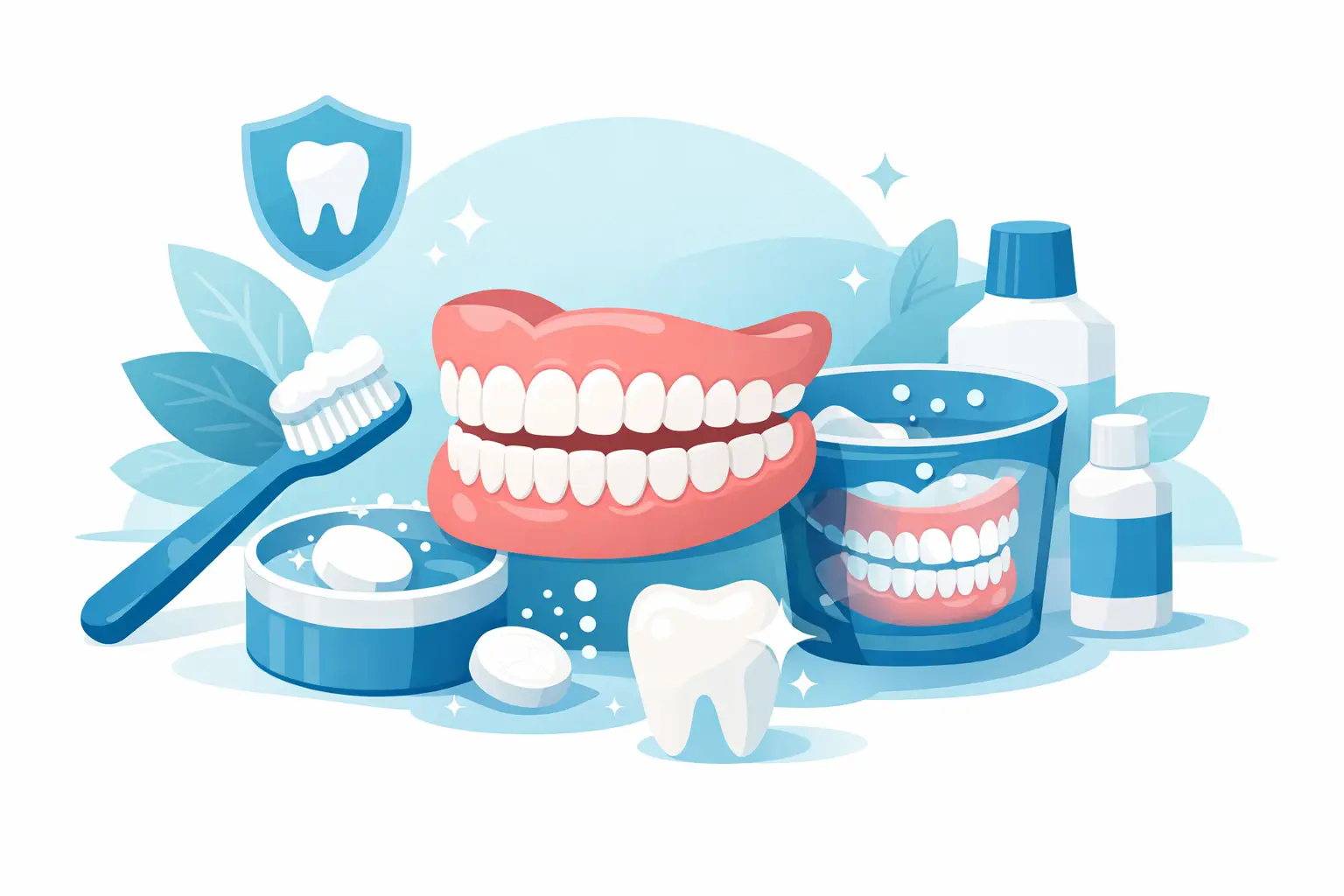
A comprehensive practice usually cares for patients at every stage of life. A child may need exams, cleanings, sealants, and guidance on healthy habits. An adult may need fillings, cosmetic work, or treatment for worn teeth. An older patient may need dentures, implants, periodontal care, or help managing dry mouth and other age-related concerns. The common thread is that treatment is personalized rather than one-size-fits-all.
Comprehensive dental care vs basic dental care
Basic dental care usually covers the essentials: exams, X-rays, cleanings, and simple fillings. That is valuable care, and for some people, it may be all they need at a given time.
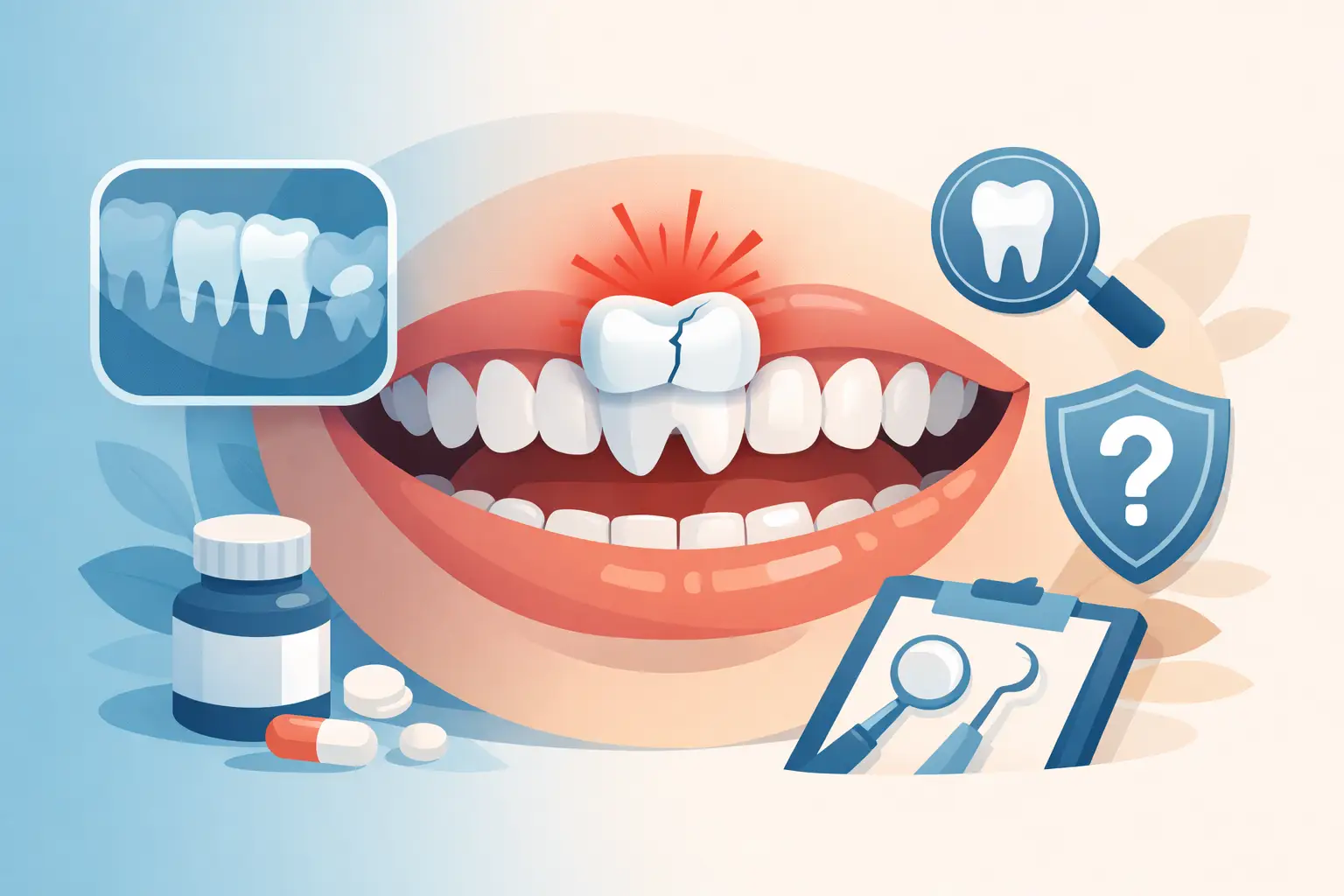
Comprehensive dental care goes further. It includes prevention, diagnosis, treatment, restoration, and long-term planning. It addresses how one issue can affect another. A cracked tooth may not just need a crown. Your dentist may also want to know why it cracked. Was it grinding, bite misalignment, old dental work, or untreated decay? That deeper evaluation is part of comprehensive care.
The difference is not about doing more treatment for the sake of it. It is about seeing the whole patient and making thoughtful recommendations. Sometimes the best plan is conservative. Sometimes it involves several phases. It depends on your symptoms, goals, health history, and priorities.
What services are usually part of comprehensive dental care?
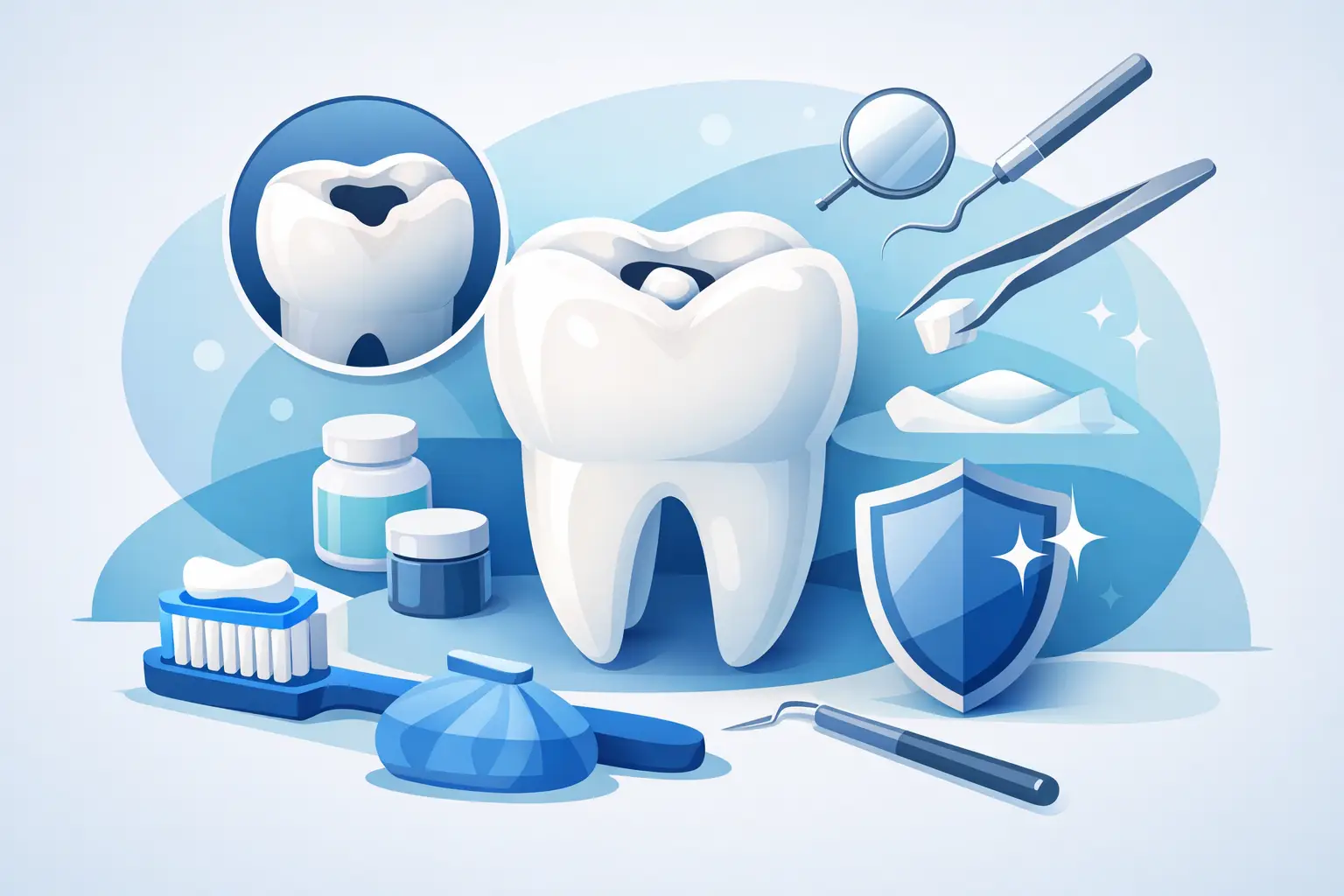
A truly comprehensive dental office typically offers a broad mix of preventive, restorative, cosmetic, and urgent services. Preventive care includes exams, professional cleanings, digital imaging, fluoride, sealants, and patient education. This is the foundation, because healthy habits and regular monitoring can prevent many larger problems.
Restorative care includes fillings, crowns, bridges, dentures, root canal treatment, and tooth replacement options such as dental implants. These services repair damage, restore function, and help protect nearby teeth from added stress.
Periodontal care is another key part of the picture. Healthy gums support healthy teeth, yet gum disease often progresses quietly. Comprehensive care means your provider is checking for inflammation, bone loss, pocketing, and other warning signs instead of focusing only on cavities.
Many practices also include oral surgery, emergency dentistry, orthodontic options such as clear aligners, cosmetic services like veneers or whitening, and supportive care such as sedation dentistry or mouth guards for grinding and sleep-related concerns. Not every patient needs all of these services, but having access to them can make care more convenient and more consistent.
Why this approach matters for families and busy adults
For many households, convenience is not a luxury. It is the only way care actually happens. If you can bring your child for a checkup, schedule your own cleaning, and talk through a treatment plan for a spouse or parent in the same practice, that lowers friction and saves time.
Comprehensive care also reduces the stress of bouncing between offices. When your dental records, X-rays, treatment history, and future plans are in one place, decisions are usually clearer. There is less repetition, fewer gaps in communication, and more confidence that your provider understands your history.
For patients with dental anxiety, this matters even more. Trust tends to build through familiarity. Seeing a team that knows your concerns, explains procedures clearly, and offers comfort-focused options can make it easier to follow through with needed care instead of delaying it.
What a comprehensive dentist looks for
A comprehensive dentist does not only ask, where is the pain? They also ask what caused it, how urgent it is, what else may be affected, and what the best long-term solution looks like.
That means looking at your bite, jaw function, gum health, previous dental work, risk for decay, medical conditions, medications, and even lifestyle habits. If you grind your teeth, breathe through your mouth at night, drink acidic beverages often, or have trouble flossing around older crowns, those details matter. They shape your risk profile and your treatment recommendations.
This kind of care often involves prioritizing. If a patient has several concerns, the dentist may break treatment into phases. Immediate pain comes first. Infection control may come next. Then restoration, aesthetics, and preventive maintenance can follow. That sequencing helps patients move forward realistically instead of feeling overwhelmed.
What does comprehensive dental care mean for treatment planning?
It means your treatment plan should make sense as a whole, not just as a list of procedures. A good plan explains what needs attention now, what can wait, what the risks are, and what your options may be.
For example, a missing tooth can be replaced in different ways. The right choice depends on bone support, neighboring teeth, cost, timeline, and your preferences. Comprehensive care includes that conversation. The same goes for cosmetic concerns. If someone wants a brighter, straighter smile, a thoughtful dentist will check for decay, gum health, bite issues, and structural concerns before recommending veneers or aligners.
This approach is especially helpful when finances are part of the decision, which they often are. Comprehensive care is not about pressure. It is about clarity. You should understand where to start, what the benefits are, and how to plan responsibly for future care.
Comfort is part of comprehensive care too
Patients sometimes assume comprehensive means clinical and complicated. It should also mean supportive. Good dentistry is not only about procedures. It is about how care feels.
That includes clear explanations, respectful communication, realistic scheduling, and options for anxious patients or those with low pain tolerance. It may include modern imaging, laser technology, sedation, or same-day visits for urgent needs. The tools matter, but the bigger point is that comfort supports follow-through. Patients are more likely to keep appointments and complete treatment when they feel safe and heard.
At a practice like Amor Dental Arts, that combination of full-service dentistry and compassionate care is exactly what many local families are looking for. They want one trusted office that can handle routine visits, unexpected problems, and long-term smile goals without making the process harder than it needs to be.
How to know if a dental office offers comprehensive care
You can usually tell by how the office talks about care. If the focus is only on isolated procedures, that is one model. If the office emphasizes prevention, ongoing relationships, personalized treatment plans, emergency access, and a wide range of services, that is often a sign of comprehensive care.
It also shows up in the patient experience. Are your concerns taken seriously? Do you get a full explanation of findings and options? Is there a clear plan for both immediate needs and long-term maintenance? Does the team treat you like a person with goals and concerns, not just a slot on the schedule?
Comprehensive dental care means your oral health is treated as something worth protecting from every angle. It is preventive when possible, restorative when needed, and personal all the way through. When a dental office can offer that kind of continuity, expertise, and reassurance, routine care becomes easier to keep up with and major treatment feels far less intimidating.
The best dental care does more than fix teeth. It helps you feel confident that someone is looking out for your health, your comfort, and your future smile.