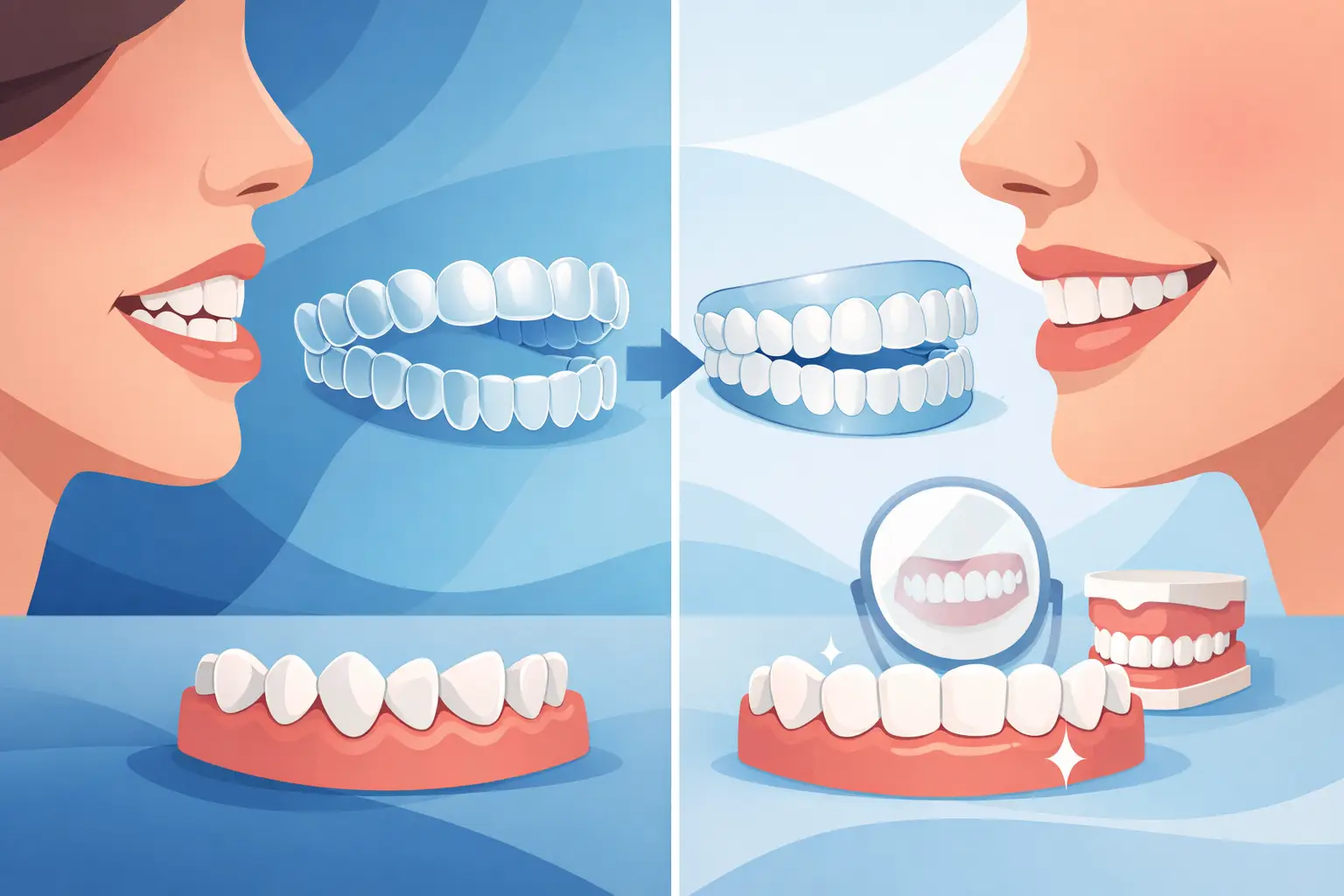
A convincing Invisalign treatment before-and-after result is not simply a matter of straighter front teeth. The most meaningful changes often include a healthier bite, easier brushing and flossing, less crowding, and a smile that feels more like you. The “before” phase is where your dentist learns what is happening beneath the surface. The “after” phase depends on a carefully designed plan, consistent aligner wear, and the habits that protect your new smile.
For adults balancing work, family schedules, and everyday responsibilities, clear aligners can be a practical orthodontic option. They are removable, discreet, and designed around your individual tooth movement needs. Still, the right expectation is not a picture-perfect promise. Every smile starts in a different place, and treatment results depend on your bite, gum health, jaw structure, and commitment to wearing the aligners as instructed.
What Happens Before Invisalign Treatment?
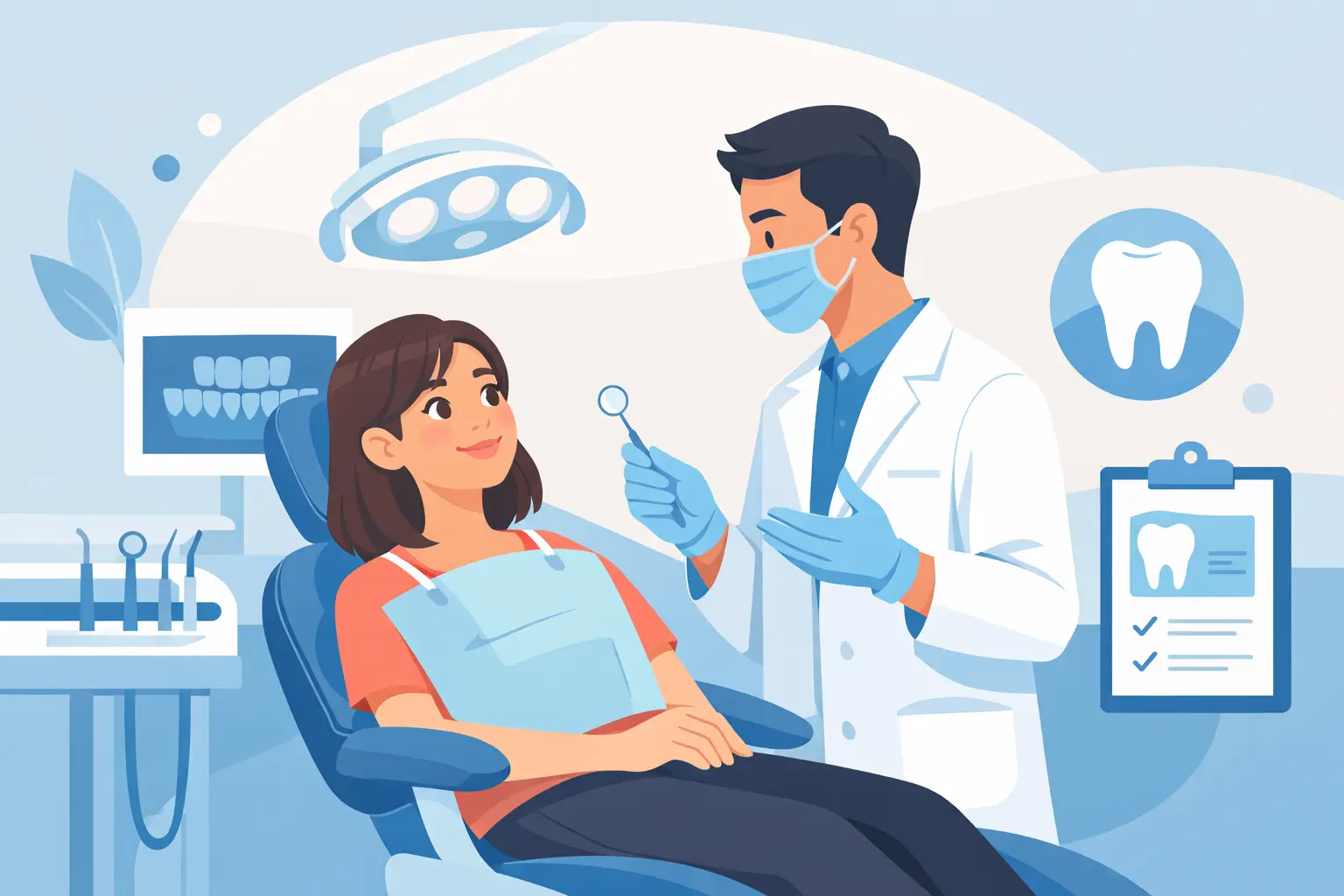
Before treatment begins, your dentist needs more than a quick look at your teeth. A thorough evaluation helps determine whether Invisalign is appropriate and identifies issues that may need attention first, such as cavities, gum inflammation, cracked teeth, or missing teeth. Orthodontic movement works best when the mouth is healthy and stable.
Your appointment may include digital X-rays, photographs, bite records, and a digital scan of your teeth. The scan replaces the messy impressions many patients remember from years ago. It creates a detailed model that allows the dentist to plan how individual teeth may move over time.
This planning stage is also the time to discuss what you want to change. Some patients are concerned about a single crooked tooth in photos. Others have crowding that makes daily cleaning difficult, gaps between teeth, or a bite that does not feel comfortable. Your goals matter, but a responsible plan also considers function. Moving teeth into a more balanced position can support long-term oral health, not just cosmetic improvement.
Not Every Smile Needs the Same Approach
Invisalign can address many mild to moderate alignment and bite concerns, including crowding, spacing, overbites, underbites, crossbites, and open bites. However, it is not automatically the best choice for every orthodontic case. More complex tooth movements, significant jaw discrepancies, or certain skeletal bite concerns may require traditional braces, additional orthodontic treatment, or a combination of approaches.
A clear conversation about these trade-offs is part of compassionate care. The best treatment is the one that safely supports your health, goals, lifestyle, and budget – not simply the one that is least noticeable.
Invisalign Treatment Before After: What Changes During Care
Once your plan is approved, you will receive a series of custom clear aligners. Each set is designed to apply gentle, controlled pressure that moves teeth in small stages. Most patients wear their aligners for about 20 to 22 hours each day, removing them to eat, drink anything other than water, brush, and floss.
This daily routine is one of the biggest differences between Invisalign and fixed braces. Because you can remove the aligners, it is easier to maintain your usual oral hygiene routine. But removability also requires personal consistency. Aligners left on a nightstand or forgotten during a busy day cannot do their job.
Your dentist will let you know how often to change aligners and when to return for progress visits. These check-ins are valuable because they confirm that your teeth are tracking as planned and give you an opportunity to ask questions. If an aligner feels unusually tight, does not fit properly, or becomes damaged, call the office instead of trying to force it into place.
Attachments, Space Creation, and Other Common Steps
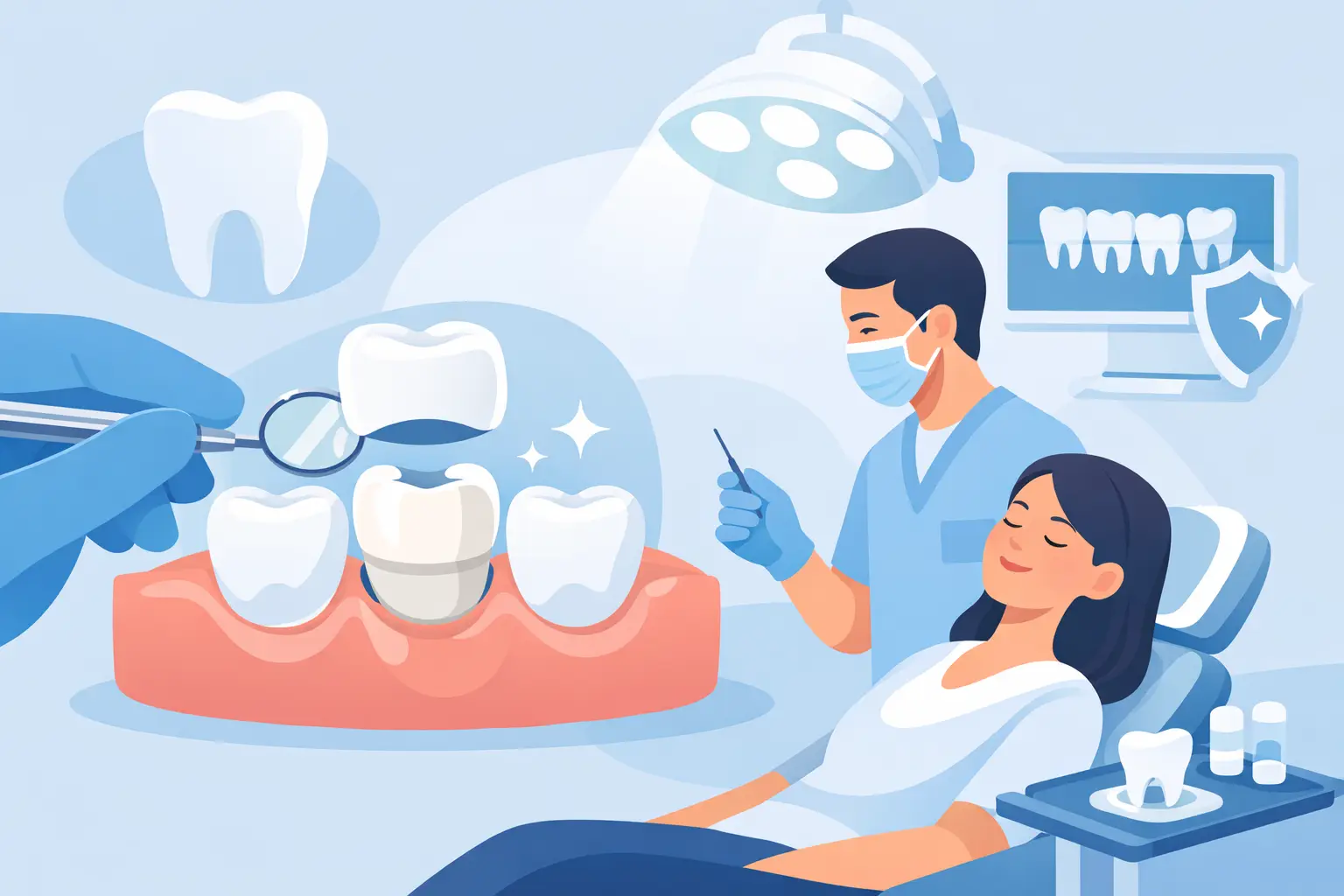
Some Invisalign plans include small tooth-colored attachments. These are temporary composite shapes placed on selected teeth to give the aligners a better grip for specific movements. They are subtle, but you may notice them when the aligners are out.
In some cases, your dentist may recommend creating a very small amount of space between certain teeth. This process, called interproximal reduction, can help relieve crowding and make planned movement possible. It is conservative and carefully measured, but it should always be explained before it is performed.
These details may not appear dramatic in an online before-and-after photo. They are often what make a healthy, predictable result possible. Orthodontic treatment is a sequence of precise decisions, not a one-size-fits-all cosmetic product.
How Long Does Invisalign Take?
Treatment time varies. A limited cosmetic correction may take only a few months, while a more involved bite correction can take 12 to 18 months or longer. The starting position of your teeth, the amount of movement needed, whether you wear aligners consistently, and how your body responds to treatment all affect the timeline.
It is also common for some patients to need refinement aligners near the end of treatment. Refinements are additional sets of aligners used to fine-tune tooth positions after the initial series. They do not mean treatment has failed. They are often a normal part of pursuing a result that is as accurate and balanced as possible.
Be cautious with promises of an exact finish date or claims that every patient will achieve the same result. Your dentist can give you a personalized estimate, then adjust recommendations based on how your smile responds along the way.
What a Successful “After” Really Looks Like
The most noticeable after-treatment change may be a more even smile, but the outcome should be evaluated from several angles. Teeth should be positioned to support a comfortable bite, allow effective cleaning, and work well with the surrounding gums and jaw. A smile that looks straight but feels unstable or creates bite interference needs further attention.
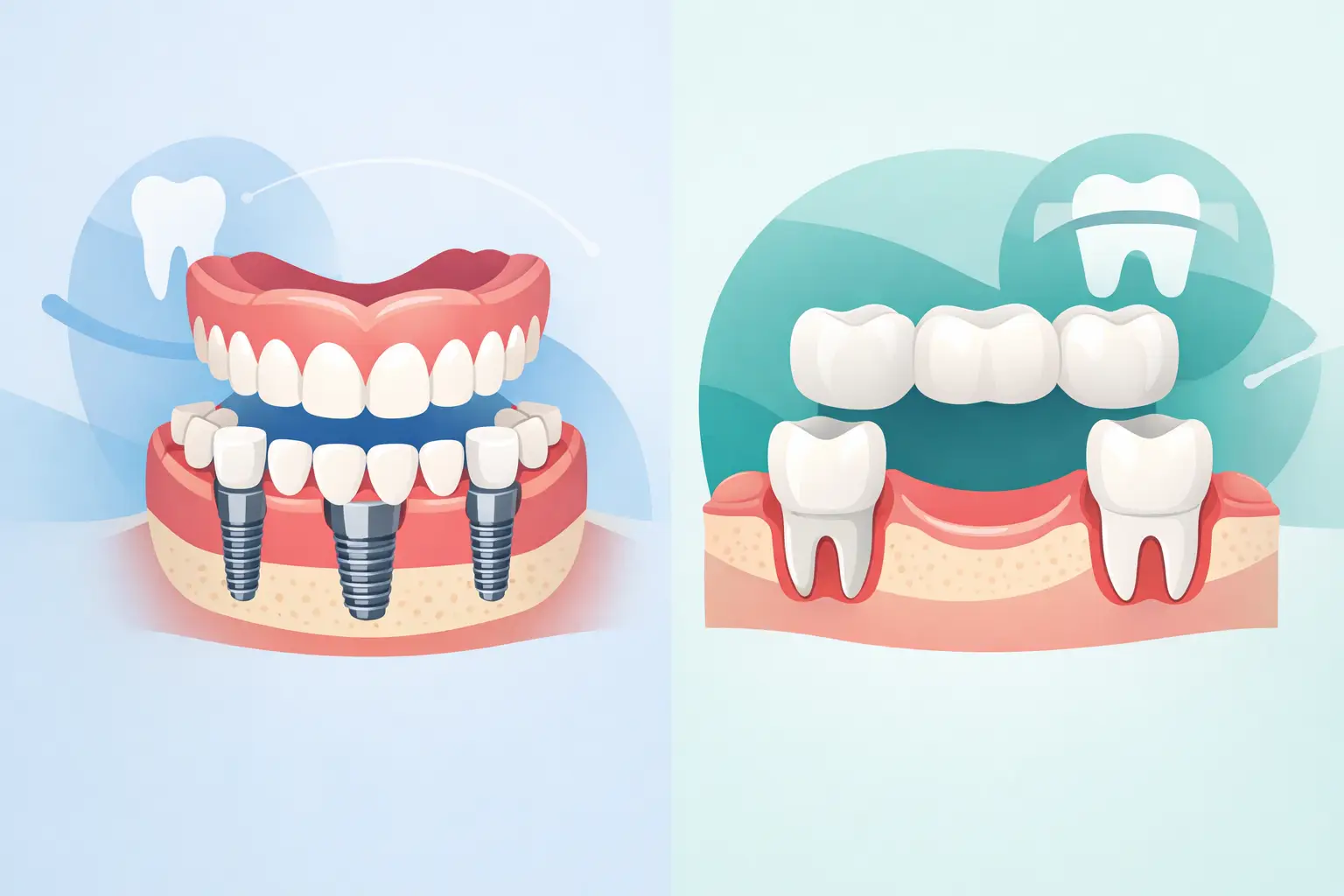
Many patients also report feeling more confident speaking, smiling in photographs, or meeting people without covering their teeth. Those emotional benefits matter. At the same time, healthy expectations matter too. Invisalign changes tooth position. It does not whiten teeth, reshape worn edges, replace missing teeth, or correct every concern about facial appearance. After alignment, some patients choose whitening, bonding, veneers, or restorative care to complete their smile goals. Others are happy with the natural improvement from orthodontic treatment alone.
At Amor Dental Arts, the conversation begins with listening. A treatment plan should reflect both the changes you hope to see and the clinical steps needed to protect your oral health.
Retainers Protect Your Invisalign Results
The after phase does not end when the last aligner comes out. Teeth can gradually shift throughout life, especially in the months immediately following orthodontic treatment. Retainers hold your teeth in their corrected positions while the supporting tissues adapt.
Your dentist will provide specific wear instructions based on your needs. Some patients begin with full-time retainer wear before transitioning to nighttime wear. Others may have a different plan based on their bite and treatment history. The key is to treat retainer wear as part of treatment, not an optional extra.
Keep retainers clean, store them in their case when they are not in your mouth, and bring them to dental visits when requested. If a retainer is lost, cracked, or suddenly feels too tight, schedule an appointment promptly. Waiting can allow teeth to move enough that a replacement no longer fits properly.
Getting Ready for Your Consultation
If you are considering Invisalign, bring your questions to the first visit. Ask what concerns can realistically be improved, whether any dental work should be completed first, how long treatment may take, what follow-up visits involve, and what retainer plan will protect your result. If you have dental anxiety, say so. Clear explanations and a comfortable pace can make orthodontic care feel far more manageable.
A meaningful smile change begins with an honest assessment, not a filtered photo. Schedule a consultation to learn what is possible for your teeth, your bite, and your daily life – then take the next step with a plan you can feel good about.