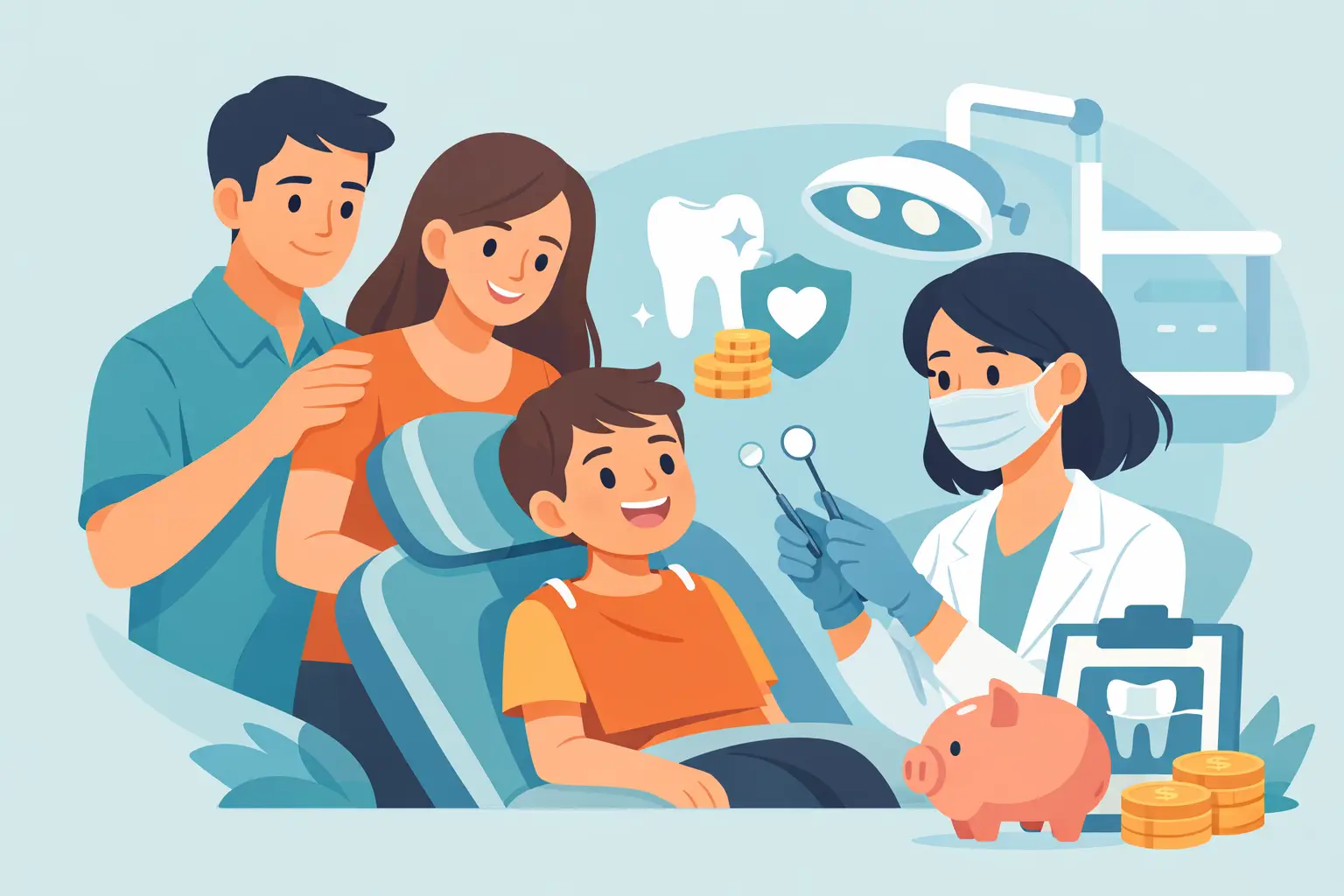
A child chips a tooth at soccer practice, your teen is due for braces, and you have been putting off a crown because the timing never feels right. For many households, the search for affordable family dentist options starts exactly there – in the middle of real life, when dental care is clearly needed but the budget feels tight.
The good news is that affordable care does not have to mean cutting corners. In family dentistry, cost depends on more than the price listed for a cleaning or filling. It also depends on whether your dentist can prevent bigger problems, treat several family members efficiently, explain costs clearly, and offer enough services in one place that you are not spending extra time and money chasing referrals.
What affordable family dentist options really mean
When families hear the word affordable, they often think of the lowest upfront price. That can matter, but it is only one piece of the decision. A low-cost visit is not always the best value if it leads to rushed care, limited treatment planning, or repeated appointments that make life harder for busy parents.
A better way to think about affordability is total value over time. That includes preventive care that catches issues early, flexible payment arrangements, insurance support, and access to common treatments under one roof. It also includes the softer side of care that people do not always factor in right away – a team that listens, helps anxious patients feel comfortable, and makes it easier to keep appointments instead of avoiding them until a problem becomes expensive.
For families, this matters even more. Children, teens, adults, and older relatives often need different kinds of care at different times. A practice that can handle routine checkups, fillings, periodontal treatment, cosmetic concerns, emergency visits, and tooth replacement can save a family both money and stress.
Where families usually save the most
The biggest savings often come from boring, predictable care. Regular exams, professional cleanings, digital X-rays, fluoride treatments when needed, and early cavity treatment usually cost far less than root canals, extractions, or emergency visits caused by delay.
That does not mean every problem can be prevented. Kids still fall, crowns still wear out, and life still happens. But families who stay consistent with preventive care often avoid the sharpest surprise costs. They also give their dentist a chance to spot small bite issues, gum inflammation, or cracked restorations before those problems turn into larger treatment plans.
Another place families save is convenience. If one office can see parents and children, offer same-day help for urgent issues, and provide both routine and advanced procedures, that can reduce missed work, extra travel, and specialist coordination. Those indirect costs are real, especially for households balancing school schedules, jobs, and caregiving.
Affordable family dentist options to look for in a practice
Not every dental office defines affordability the same way. Some compete mainly on introductory specials. Others focus on long-term value through comprehensive care, modern diagnostics, and treatment planning that fits a household budget.
Insurance guidance and transparent estimates
A family-friendly dental office should help patients understand what insurance may cover and where out-of-pocket costs begin. Clear estimates matter because uncertainty is often what keeps people from scheduling care. When a team explains the treatment, the timeline, and the expected cost in plain language, families can make decisions earlier instead of waiting until pain forces the issue.
Financing or flexible payment options
Even necessary dental treatment can strain a monthly budget. Payment flexibility can make a big difference when a child needs multiple fillings, a parent needs a crown, or several family members are due for care at once. This is especially helpful for treatments that improve function and prevent future costs, such as crowns, dentures, implants, periodontal care, or orthodontics.
Preventive care for every age
A good family practice does more than clean teeth. It builds routines that keep treatment costs lower over time. That means age-appropriate care for young children, guidance for teens with changing dental needs, and support for adults dealing with grinding, gum disease, worn fillings, or missing teeth.
Comprehensive services in one place
This is one of the most overlooked ways to control cost. If your family can get pediatric care, restorative treatment, cosmetic options, emergency visits, and tooth replacement from one trusted team, the process becomes more efficient. It also helps your dentist see the full picture instead of treating each issue in isolation.
How to compare low-cost care with good value
A cheap exam special may look attractive, and sometimes it is a useful entry point. But families should ask a few practical questions before deciding that the lowest advertised price is the best deal.
First, what happens after the special? Some offices offer low initial pricing but higher fees once treatment begins. Second, how much of your family’s care can actually be done there? If every moderate or complex case gets referred out, the true cost may be much higher than expected. Third, how does the office handle comfort, scheduling, and urgent needs? If dental anxiety or limited appointment availability causes delays, treatment often gets more expensive.
There is also a difference between minimalist care and appropriate care. In some cases, postponing a crown to keep costs down may be reasonable for a short time if the tooth is stable and closely monitored. In other cases, waiting could lead to fracture or infection. This is where clinical judgment matters. Affordable dentistry should still be dentistry that protects your long-term health.
Affordable family dentist options for common needs
Families often need a mix of predictable and unexpected treatment. The right office should be prepared for both.
Routine cleanings and exams
These are still the foundation of affordable care. They help prevent cavities, monitor growth and development in children, and catch gum disease before it advances. If a practice keeps scheduling simple and family-focused, it becomes easier to stay consistent.
Fillings, crowns, and root canals
Restorative care is where cost anxiety often rises. Yet delaying treatment here can be risky. A small cavity is usually manageable. A large untreated cavity can turn into a root canal, crown, or extraction. The more a practice can detect and treat early, the more families tend to save.
Orthodontic and cosmetic concerns
Not every smile concern is urgent, but some are tied to function, cleaning difficulty, or confidence. Orthodontic treatment, clear aligners, bonding, and veneers vary widely in price and necessity. A trustworthy dentist will explain what is essential, what is elective, and what can reasonably wait.
Emergency care
Same-day access can be a major part of affordability. Dental emergencies become more expensive the longer they are ignored. Fast treatment for pain, swelling, trauma, or a broken tooth can often limit the damage and reduce the need for more extensive procedures later.
Why comfort affects cost more than people expect
Families do not always connect comfort with affordability, but the two are closely linked. Patients who feel judged, rushed, or frightened are more likely to postpone care. That delay often turns manageable treatment into a bigger financial burden.
For anxious adults and nervous children, a calm environment, gentle communication, and options like sedation when appropriate can make the difference between staying on track and avoiding the dentist for years. Comfort is not just a luxury feature. It supports follow-through, and follow-through usually saves money.
That is one reason many local families look for a practice that combines advanced care with a reassuring experience. At Amor Dental Arts, that balance matters because affordability works best when people feel safe enough to actually come in, ask questions, and complete the care they need.
Questions to ask before choosing a family dentist
If you are comparing practices, ask how they handle treatment estimates, insurance claims, emergency visits, and appointments for multiple family members. Ask whether they provide services beyond basic cleanings and fillings. Ask how they approach anxious patients and whether they offer comfort-focused care for children and adults.
You can also ask a more direct question: how will this office help my family avoid bigger dental bills later? A strong answer should include prevention, early diagnosis, realistic treatment planning, and practical ways to make care fit your schedule and budget.
That answer may look different for every household. A young family may care most about checkups, cavity prevention, and a gentle first dental experience. A working adult may need a practice that can handle emergency pain, cosmetic concerns, and a long-overdue crown without sending them all over town. An older patient may need help comparing dentures, bridges, and implants based on both function and cost. Real affordability is flexible enough to meet those different needs without sacrificing quality.
The best next step is usually a simple one: choose a dental home that treats your family’s time, comfort, and budget with the same level of respect as your teeth.