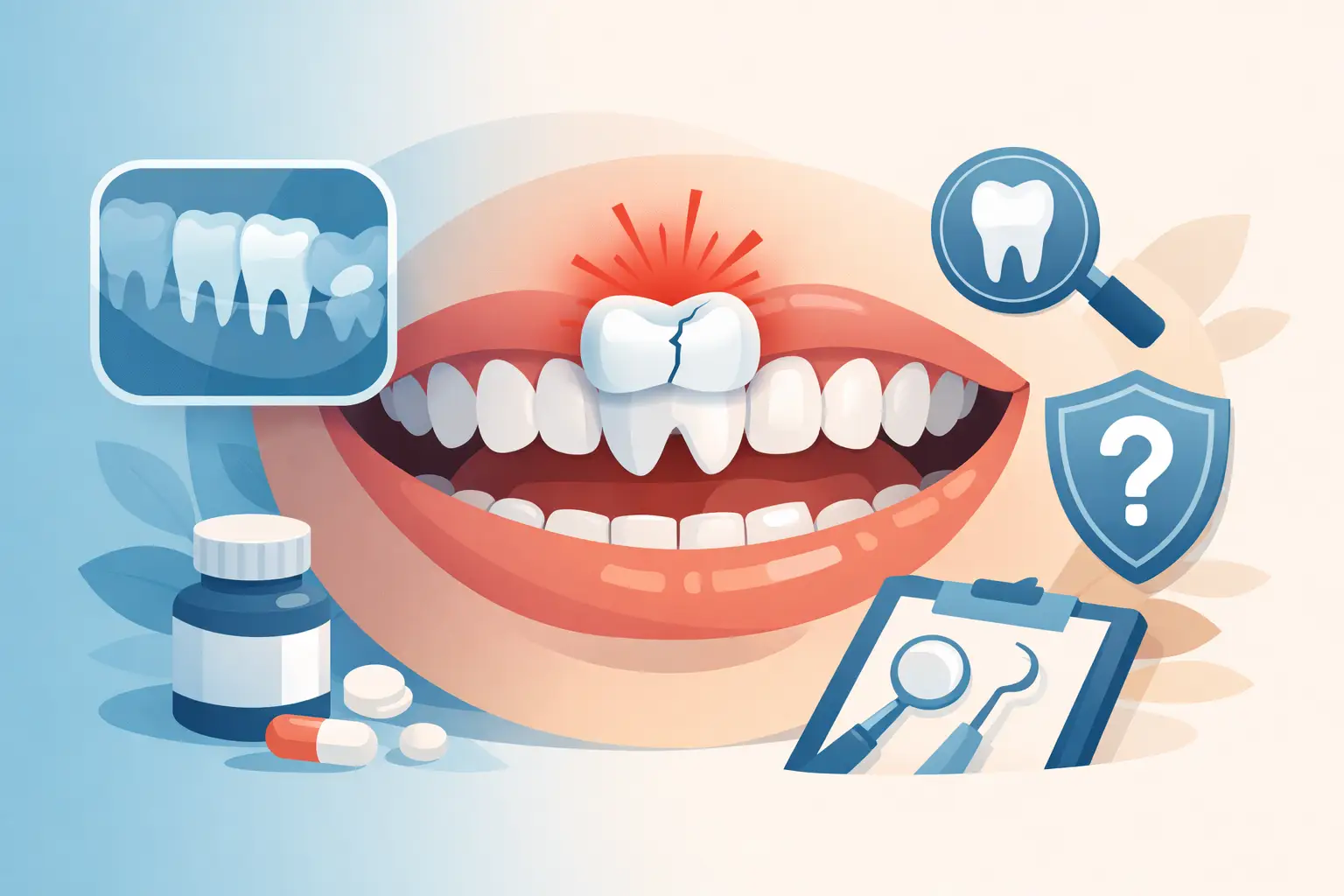

A filling can seem like a small part of a tooth until it comes loose during lunch, while flossing, or after biting into something hard. Suddenly, your tongue finds a sharp edge, cold water causes a jolt, and you are left wondering whether you can wait. Lost filling repair is usually straightforward when addressed promptly, but the exposed area needs professional attention before bacteria, pressure, or a crack create a larger problem.
1. Stay calm and protect the tooth
A lost filling is uncomfortable, but it does not always mean you need emergency treatment within the hour. The right timing depends on your symptoms, the size and location of the filling, and whether the tooth is broken or painful. Still, contacting your dentist as soon as possible gives you the best chance of keeping the repair simple.
If you can find the filling, place it in a small clean container and bring it to your appointment. In many cases, it cannot simply be placed back into the tooth, but seeing it may help your dentist understand what happened. Do not try to glue it back with household adhesives. These products are not safe for your mouth and can make proper treatment more difficult.
Until you are seen, chew on the opposite side of your mouth. Avoid hard, sticky, very hot, or very cold foods, which can irritate the exposed tooth or dislodge more weakened material. A soft diet for a day or two can make a meaningful difference.
2. Keep the area clean, gently
The tooth beneath a filling may have a small opening or a larger cavity-like space. Food particles and bacteria can collect there quickly, especially after meals. Rinse gently with warm salt water, and continue brushing your teeth with a soft-bristled toothbrush.
Floss carefully around the tooth, but do not force floss down if it catches on a sharp edge. Instead of pulling floss upward through the contact point, slide it out from the side to reduce the risk of pulling on a loose remaining edge. Good home care does not replace treatment, but it can reduce irritation while you wait for your visit.
If you have temporary dental filling material from a pharmacy, it may offer short-term coverage when an appointment is not available immediately. Follow the package instructions closely and view it only as a temporary measure. A temporary patch cannot remove decay, seal a fracture reliably, or restore the tooth’s strength.
3. Manage sensitivity without masking warning signs
Sensitivity to air, sweets, pressure, or temperature is common after a filling falls out. The inner layers of the tooth are less protected, so everyday sensations can reach the nerve more easily. Over-the-counter pain relievers may help when used as directed on the label, provided they are safe for you based on your health history and medications.
You can also try using toothpaste for sensitive teeth and avoid placing aspirin directly on the gum or tooth. Aspirin can burn soft tissue and will not fix the source of the pain.
Call for prompt care if pain is persistent, worsening, throbbing, or keeping you awake. These symptoms may mean the tooth’s nerve is inflamed or infected. Swelling in the gums, face, or jaw, fever, a bad taste in the mouth, or trouble swallowing requires urgent dental attention. If breathing or swallowing is difficult, seek emergency medical care right away.
4. Know why fillings fall out
Fillings are durable, but they are not designed to last forever. Normal biting forces, grinding or clenching, and years of expansion and contraction from hot and cold foods can weaken the bond between filling and tooth. Older fillings may eventually crack, wear down, or develop small gaps along their edges.
A lost filling can also be a sign that new decay has formed around or beneath the restoration. Bacteria can enter through tiny openings and soften the tooth structure that once held the filling in place. In other situations, a piece of the tooth breaks away with the filling, particularly if the tooth was already weakened by a large cavity or an old restoration.
This is why a replacement is not always as simple as adding more filling material. Your dentist needs to identify the reason the filling failed, not just cover the space again. Treating the cause helps protect the tooth from another avoidable repair.
What happens during lost filling repair?
At your visit, your dentist will examine the tooth, surrounding gums, and your bite. X-rays may be recommended to look for decay between teeth, under the old restoration, or near the tooth’s nerve. The exam also helps reveal cracks that may not be visible in a mirror.
If the tooth is healthy enough and the missing area is relatively small, the dentist may remove any weakened material, clean the area, and place a new tooth-colored filling. Modern composite fillings can be shaped and polished to blend naturally with the tooth while restoring its function.
When a filling was large, the remaining tooth may not have enough strength for another filling alone. An inlay, onlay, or crown may be a better long-term option because it covers and supports more of the tooth. If decay or a fracture has reached the nerve, root canal treatment followed by a crown may be recommended to save the tooth. The best choice depends on how much healthy tooth structure remains, where the tooth is located, and the forces it handles when you bite.
At Amor Dental Arts, the goal is to explain those options clearly, including what can be completed the same day when appropriate. You should understand why a particular restoration is recommended, what it will protect, and what to expect before treatment begins.
Can you wait to repair a lost filling?
A painless lost filling may not feel urgent, but waiting for weeks or months is rarely a good idea. The opening can trap food, allow decay to progress, and make the tooth more vulnerable to cracking. What might have needed a simple filling can become a larger restoration or, in some cases, a root canal.
That said, not every situation requires an after-hours visit. If you have no swelling, severe pain, or sharp broken edges, scheduling the earliest available appointment is often appropriate. Be direct when you call: explain when the filling came out, whether the tooth hurts, and whether you notice swelling, a crack, or sensitivity. This helps the dental team prioritize your needs and prepare for the visit.
Preventing another filling problem
No restoration can be guaranteed to last indefinitely, but a few habits can improve its lifespan. Brush twice daily with fluoride toothpaste, clean between teeth every day, and keep regular preventive visits so small changes around fillings can be identified early. If you clench or grind your teeth, ask whether a custom night guard could reduce damaging pressure.
Be mindful of using teeth as tools to open packages or bite fingernails. Hard candies, ice, and popcorn kernels can also crack a filling or the tooth around it. These are not reasons to worry over every meal. They are practical reminders that repaired teeth deserve the same care as natural enamel.
A missing filling is your tooth’s way of asking for attention. Protect it from extra pressure, keep it clean, and arrange an exam soon. Prompt, compassionate care can often turn an unsettling moment into a straightforward repair and help you get back to eating, speaking, and smiling comfortably.