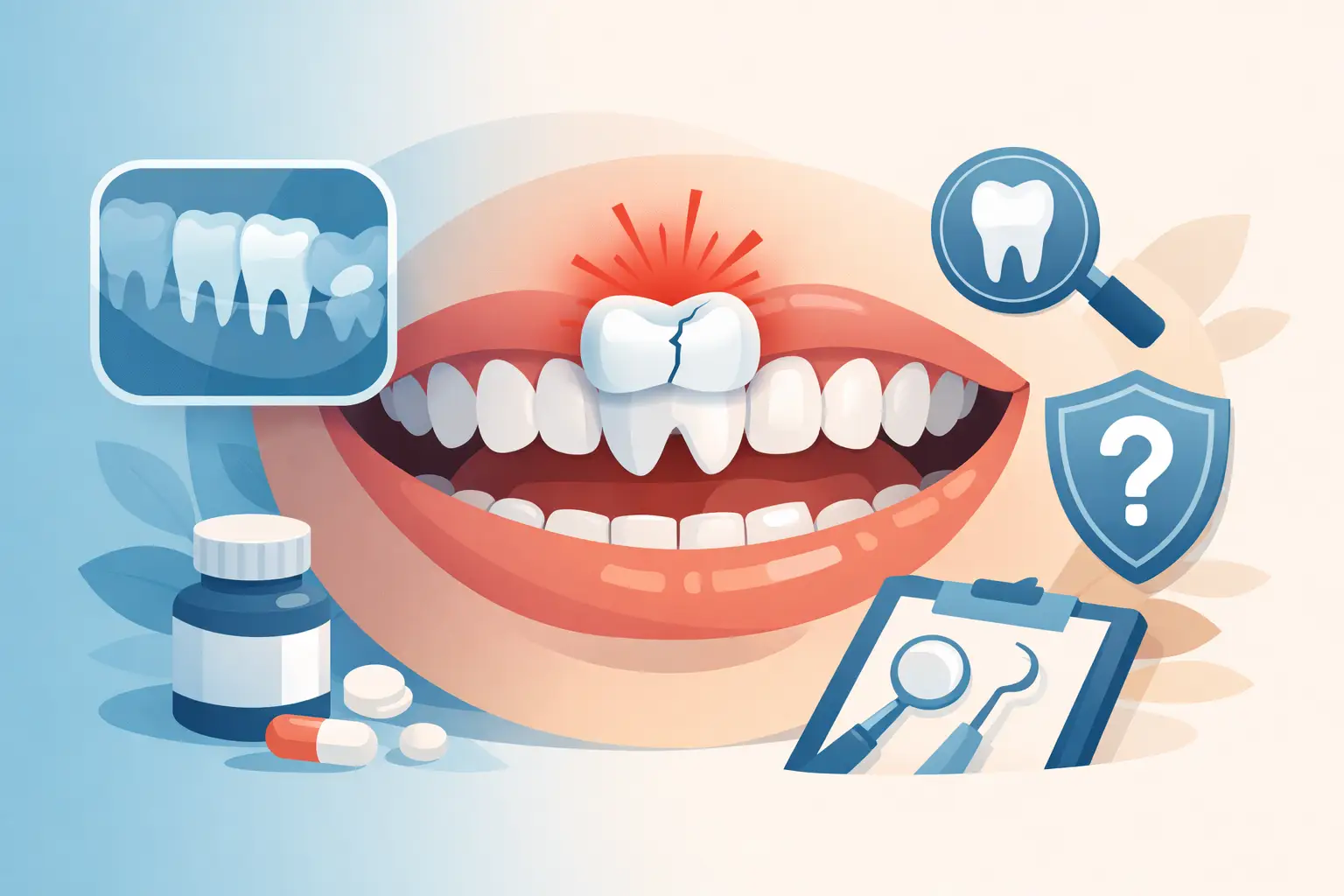
A tooth that starts throbbing at night, hurts when you bite, or reacts sharply to hot and cold can make anyone worry about needing a root canal. Root canal alternatives do exist, but the right choice depends on one essential question: can the tooth’s inner tissue be kept healthy, or can the tooth be saved another way?
At Amor Dental Arts, we believe you should understand your options before making a treatment decision. A careful exam, digital imaging, and an honest conversation about your symptoms help us recommend treatment that protects your health, comfort, budget, and long-term smile.
Why a Root Canal May Be Recommended
Inside every tooth is soft tissue called pulp. It contains nerves, blood vessels, and connective tissue that supported the tooth as it developed. Deep decay, a large crack, repeated dental work, or an injury can inflame or infect that pulp.
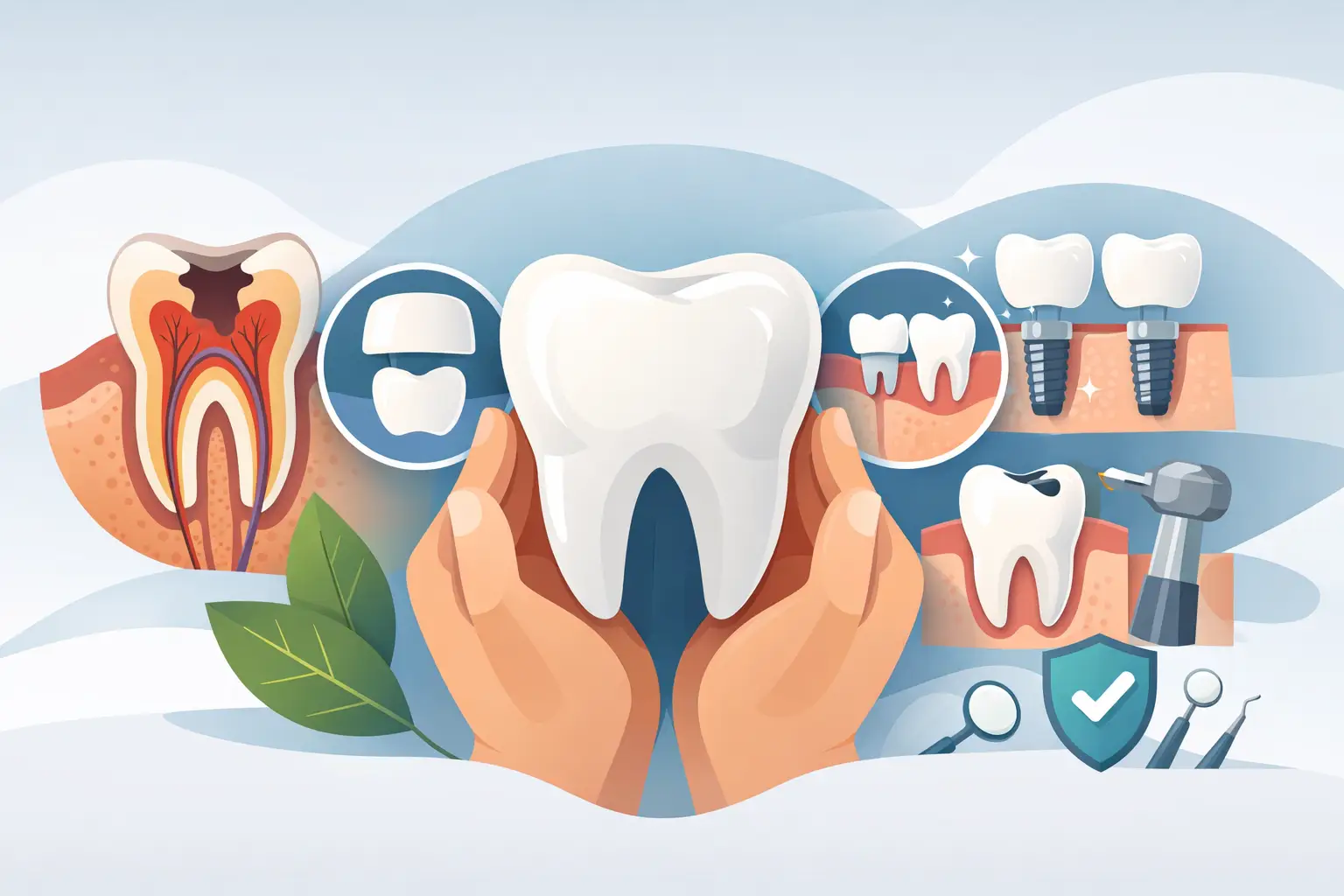
When the pulp is mildly irritated and can recover, conservative treatment may be possible. But when inflammation is irreversible or infection has reached the pulp, the tissue cannot heal on its own. A root canal removes the damaged tissue, cleans and disinfects the inside of the tooth, and seals it so the tooth can remain in place.
That distinction matters. Not every painful tooth needs a root canal, but delaying treatment for a truly infected tooth can allow infection to spread into the surrounding bone and soft tissues. Pain may even fade temporarily after the nerve dies, while the infection continues to grow.
Root Canal Alternatives That May Be Appropriate
A root canal is often the best way to preserve a severely damaged tooth. Still, there are situations where another treatment is reasonable. The option must match the condition of the pulp, the amount of healthy tooth structure remaining, and your overall oral health.
Pulp Capping for Very Early Pulp Exposure
A pulp cap may be considered when decay or trauma has only slightly exposed the pulp and the tissue appears healthy enough to recover. Your dentist removes the decay, places a protective medicated material over or near the pulp, and restores the tooth with a filling or crown.
This is most successful when treated promptly and when there is no sign of infection or severe, lingering pain. A pulp cap is not a substitute for a root canal in a tooth with an abscess, extensive infection, or irreversible pulp damage. Follow-up visits are important because the tooth needs to be monitored over time.
Pulpotomy in Selected Cases
A pulpotomy removes only the inflamed portion of the pulp while preserving healthy tissue deeper in the roots. It is commonly used for baby teeth, where maintaining the tooth helps support speech, chewing, and proper spacing for permanent teeth.
In certain permanent teeth, especially in younger patients or carefully selected cases, a pulpotomy may also be an option. This treatment is not right for every adult toothache. The dentist must evaluate the pulp’s condition, the source of the problem, and whether the remaining tissue has a realistic chance to heal.
Treating the Cause Without Entering the Pulp
Sometimes a tooth is sensitive without having irreversible pulp damage. A worn filling, early cavity, gum recession, teeth grinding, or a small crack can create discomfort that feels alarming but does not require root canal treatment.
Depending on the cause, treatment may involve a new filling, crown, bonding, a night guard, desensitizing treatment, or gum care. This is why an exam is so valuable. Treating symptoms without identifying the source can leave you in pain and allow a small problem to become a larger one.
When Extraction Is the Main Alternative
If a tooth cannot be predictably saved, extraction may be the practical alternative to a root canal. This may happen when decay extends too far below the gumline, a crack runs down the root, severe gum disease has weakened the supporting bone, or too little healthy tooth remains to hold a restoration.
Extraction can also be appropriate when a patient prefers not to proceed with root canal treatment and understands the consequences of losing the tooth. Removing the source of infection can bring relief, but the decision does not end there. A missing tooth can affect chewing, allow neighboring teeth to shift, and contribute to bone loss in the jaw over time.
For that reason, a tooth replacement plan should be part of the conversation whenever possible.
Dental Implants
A dental implant replaces the tooth root with a small post placed in the jawbone, topped with a custom crown after healing. Implants can look natural, feel secure, and help preserve jawbone. They are often an excellent solution for a tooth that is not restorable.
However, an implant is not usually the first choice when a natural tooth can be saved predictably. It involves surgery, healing time, and a higher overall cost than many restorative treatments. Adequate bone, healthy gums, and good home care are also necessary for long-term success. Bone grafting may be needed in some cases.
A Dental Bridge or Removable Partial Denture
A bridge can replace a missing tooth by connecting a replacement tooth to crowns placed on the teeth beside the space. It can be a good option when the neighboring teeth already need crowns or when implant surgery is not the best fit.
A removable partial denture is another way to restore several missing teeth or fill a gap more affordably. It can be made relatively quickly, although it may feel less fixed than an implant or bridge. Your dentist can explain how each choice will affect your bite, appearance, cleaning routine, and future dental needs.
Is Doing Nothing a Real Alternative?
No. Waiting is not a treatment plan for an infected tooth. Antibiotics can be helpful when infection is spreading or causing swelling, but they do not remove infected pulp from inside the tooth. Pain medication may make symptoms more manageable for a short time, but it will not repair the problem.
If you have facial swelling, fever, trouble swallowing, difficulty breathing, or swelling near the eye or neck, seek urgent medical or dental care right away. These symptoms can signal a serious infection that needs prompt attention.
How Dentists Decide Between Root Canal Alternatives
The best recommendation comes from more than an X-ray alone. Your dentist will review your symptoms, test how the tooth responds to temperature and pressure, examine the gums, and look at the roots and surrounding bone on digital images.
The decision usually comes down to four practical questions:
- Is the pulp healthy enough to recover, or is it irreversibly inflamed or infected?
- Is there enough strong tooth structure left to support a filling or crown?
- Is there a crack, bone loss, or decay pattern that makes saving the tooth unpredictable?
- If the tooth is removed, which replacement option best fits your health, timeline, and goals?
There is no benefit to recommending a root canal when a simpler treatment can preserve a healthy tooth. There is also no benefit to attempting a conservative procedure when the tooth has a low chance of lasting. Clear answers about prognosis help you make a confident decision without unnecessary surprises.
Comfort Matters During Any Treatment
For many patients, the fear is not only about the diagnosis. It is about feeling numb enough, being able to take a break, or worrying that treatment will be painful. Modern local anesthetic techniques, gentle care, and sedation options for appropriate patients can make root canal treatment, extractions, and restorative care far more comfortable than many people expect.
If dental anxiety has kept you from addressing a painful tooth, say so at the beginning of your visit. A compassionate dental team can explain each step, move at a pace that feels manageable, and discuss comfort options before treatment begins.
A painful tooth deserves attention, not guesswork. Scheduling an evaluation early gives you the best chance of choosing the most conservative treatment possible and protecting the healthy smile you already have.