A missing tooth can change more than a photo. It can make chewing on one side of your mouth feel necessary, cause nearby teeth to drift, or leave you hesitant to smile or speak freely. The best ways to replace teeth depend on how many teeth are missing, where they are located, the health of your gums and jawbone, and what feels realistic for your timeline and budget.
There is no one-size-fits-all answer. A single missing front tooth calls for a different plan than a full arch of missing teeth. A caring dentist will begin with a complete exam, digital imaging when needed, and an honest conversation about your goals before recommending treatment.
Why Replacing Missing Teeth Matters
A gap is not always just a cosmetic concern. Teeth help support one another, guide your bite, and stimulate the jawbone through everyday chewing. When a tooth is lost, the surrounding teeth may gradually shift toward the open space. This can alter your bite, make brushing and flossing harder, and create places where food and plaque collect.
Over time, bone in the area of a missing tooth can shrink because it is no longer receiving chewing pressure. Bone changes do not happen overnight, but they can affect the fit of future restorations and the appearance of facial support. Replacing a missing tooth promptly is often the most conservative way to protect the rest of your smile.
That said, timing and urgency vary. Some patients need immediate care after a broken or infected tooth is removed. Others have lived with a gap for years and need a thoughtful plan to restore function. Both situations deserve clear answers, not pressure.
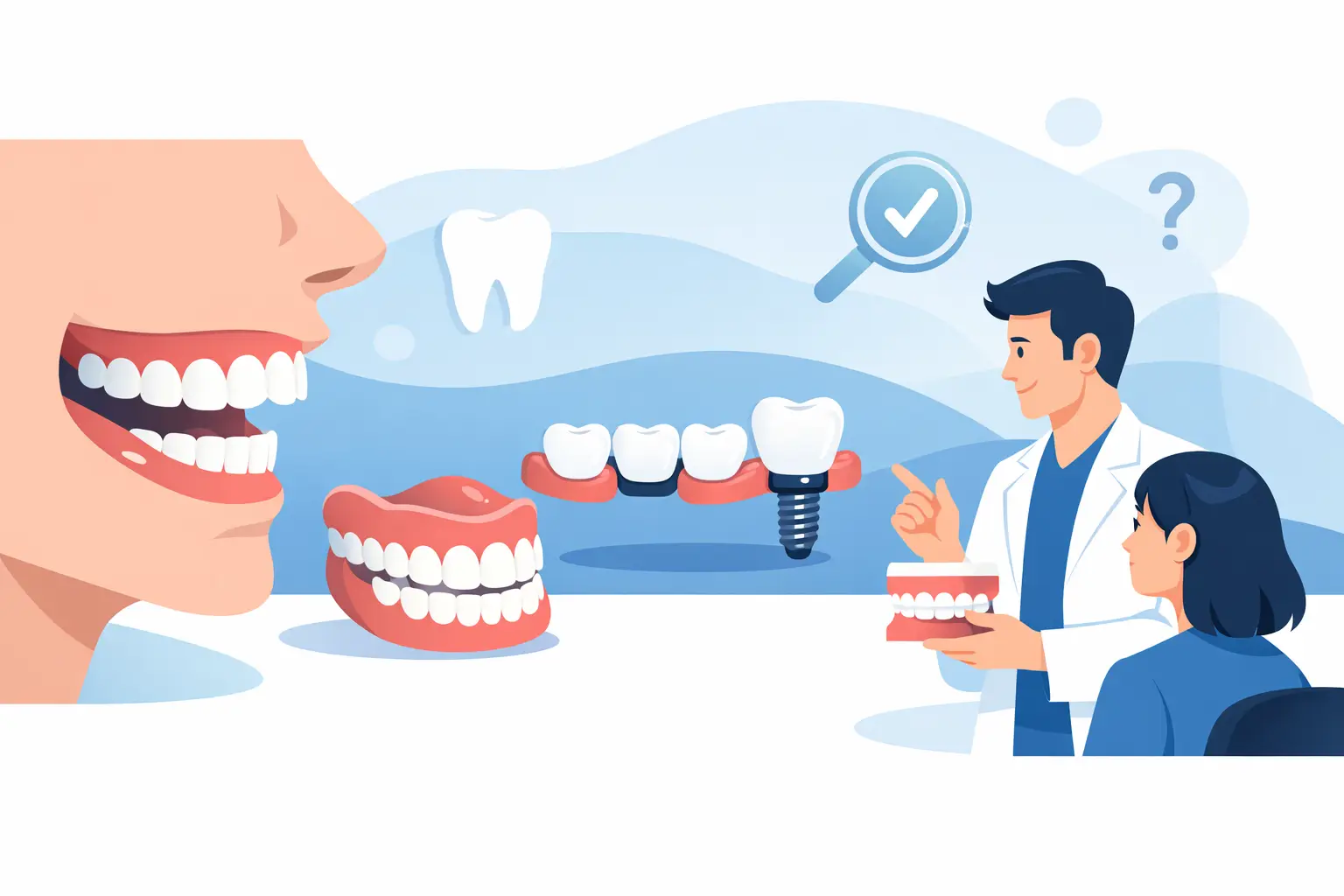
Best Ways to Replace Teeth: The Main Options
Dental implants
A dental implant replaces the root of a missing tooth with a small post placed in the jawbone. Once it has healed and integrated with the bone, it can support a custom crown for one missing tooth, a bridge for several teeth, or a full-arch restoration.
Implants are often considered the closest replacement to a natural tooth because they are fixed in place, do not rely on neighboring teeth for support, and help preserve bone in the area. Patients can generally brush and floss around an implant restoration much like they would their natural teeth.
The trade-off is that implants require surgery and a healing period. Healthy gums and adequate bone are important. If bone has been lost, a bone graft may be recommended before or during implant treatment. Smoking, uncontrolled medical conditions, teeth grinding, and active gum disease can also affect planning and long-term success. For the right candidate, however, an implant can be an excellent long-term investment in comfort and stability.
Fixed dental bridges
A dental bridge fills a gap by anchoring a replacement tooth between crowns placed on the teeth next to it. A traditional bridge is fixed in place, so it does not come out for cleaning. It can restore chewing ability and appearance relatively quickly after the supporting teeth are prepared.
Bridges are a practical option when the teeth beside the gap already need crowns because of large fillings, cracks, or wear. They may also suit a patient who is not ready for surgery or who needs a predictable, shorter treatment timeline.
The consideration is that a traditional bridge requires reshaping the neighboring teeth to hold crowns, even if those teeth are otherwise healthy. Cleaning under the replacement tooth also takes a little extra attention, often with floss threaders or an interdental brush. A bridge does not replace the tooth root, so it does not prevent bone loss in the empty area the same way an implant can.
Removable partial dentures
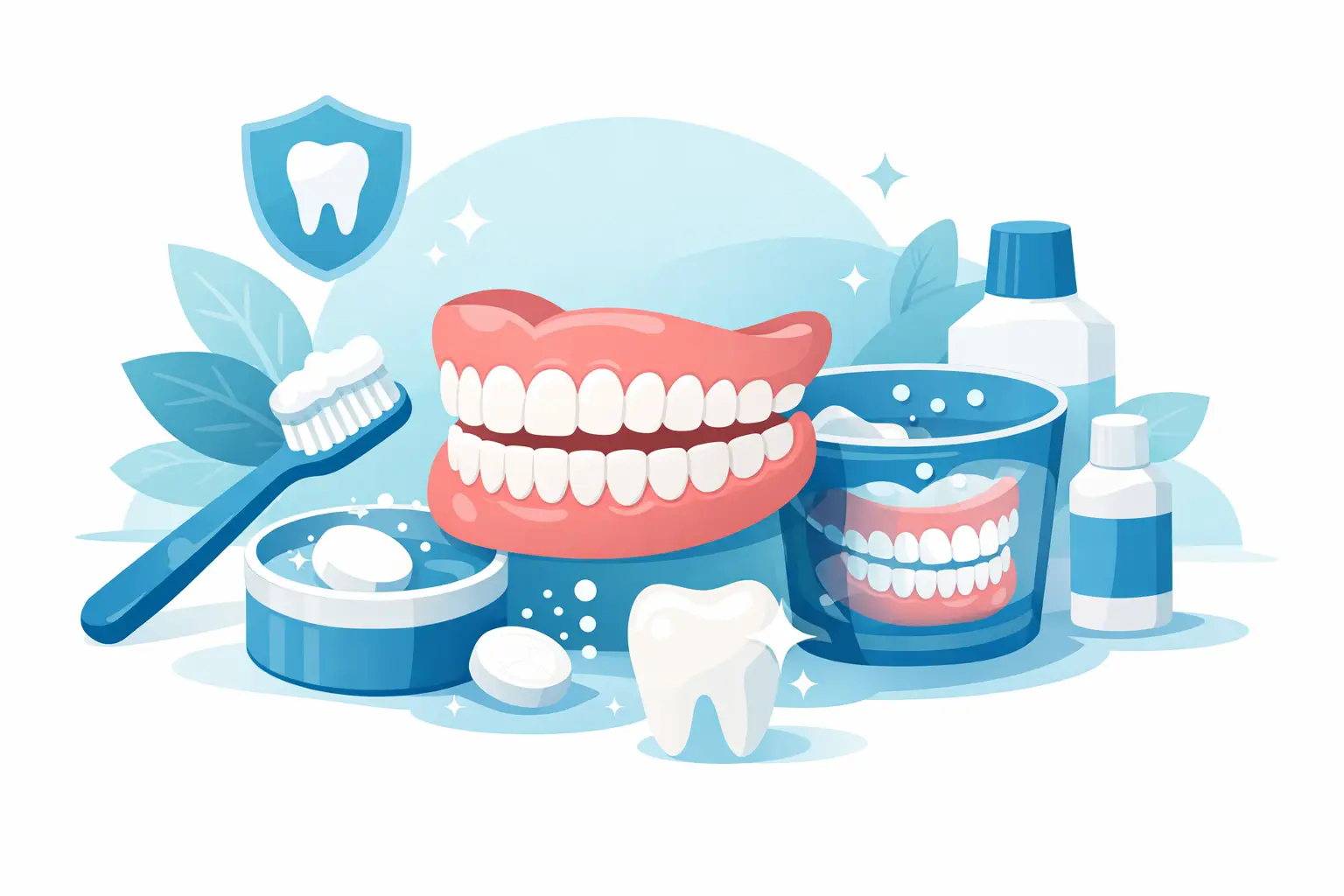
A partial denture replaces one or more missing teeth with a custom removable appliance. It may use a gum-colored or acrylic base and clasps or other attachments to stay secure around remaining teeth. Modern partial dentures can look natural and provide meaningful improvement in speech, chewing, and confidence.
For patients missing several teeth in different areas, a partial denture can be a more affordable starting point than multiple implants. It is also non-surgical and can often be made while other treatment is being planned. Some patients choose a partial denture as an interim solution after extractions or while saving for a more permanent restoration.
Because it is removable, a partial denture requires daily cleaning and must be taken out at night unless your dentist advises otherwise. It can take time to adjust to its feel, and the fit may need periodic changes as gums and bone shift. A well-designed partial should feel supportive, but it will not have the same fixed feeling as an implant-supported option.
Complete dentures and implant-supported dentures
When all teeth in the upper or lower arch are missing, complete dentures can restore a full smile. Traditional dentures sit on the gums and are removable for cleaning. They remain a valuable treatment choice for many people, particularly when affordability, medical needs, or jawbone condition make extensive surgery less desirable.
For more stability, implants can be used to secure a denture. An implant-supported overdenture typically snaps onto implants but can still be removed for home care. A fixed full-arch implant restoration remains in place and is removed only by a dental professional when maintenance is needed.
The difference in stability can be significant, especially for a lower denture that tends to move during eating or speaking. Implant-supported options may help improve chewing comfort and reduce movement, but they involve surgery, planning, and a higher initial cost. The ideal approach depends on bone availability, health history, expectations, and financial considerations.
Resin-bonded bridges for select front teeth
A resin-bonded bridge, sometimes called a Maryland bridge, is a conservative option commonly considered for a missing front tooth. It uses a replacement tooth with thin wings bonded to the back of nearby teeth. Little or no preparation of adjacent teeth may be needed.
This can be a helpful option for certain patients, including younger patients who are not yet candidates for implants or adults who want a minimally invasive replacement. It is not ideal for every bite, especially where heavy chewing forces or grinding could loosen the bond. Your dentist can determine whether the location of the missing tooth and your bite make this option dependable.
How to Choose the Right Tooth Replacement Option
The best treatment is the one that protects your health, fits your daily life, and can be maintained comfortably. Start with the number and location of missing teeth. One back tooth may be well served by an implant or bridge, while several missing teeth may call for a partial denture, implant-supported bridge, or another combination of treatments.
Next, consider the condition of nearby teeth. If adjacent teeth are strong and untouched, an implant may help preserve them. If they are already heavily restored and need crowns, a bridge may make practical sense. Gum health is equally important. Active periodontal disease should be treated and controlled before any long-term tooth replacement plan moves forward.
Your timeline matters, too. An immediate temporary tooth may be possible after an extraction in some cases, but a final restoration often requires healing. A dentist should explain what can happen now, what must wait, and how you will look and function during each stage.
Cost should be part of the conversation, not an afterthought. The lowest upfront cost is not always the lowest lifetime cost if a restoration needs frequent replacement or damages supporting teeth. At the same time, the most extensive treatment is not automatically the best fit. Ask for a clear, phased plan when appropriate, along with financing or payment options that can help make care manageable.
What to Expect During Treatment
Before recommending a restoration, your dental team will evaluate your teeth, gums, bite, and bone levels. If a tooth needs to be removed, the extraction site may need time to heal. In other cases, a bone graft can preserve the socket and help support a future implant.
Temporary restorations are available in many situations, particularly when a visible tooth is involved. They can protect the area and help you maintain confidence while a permanent crown, bridge, denture, or implant restoration is being made.
At Amor Dental Arts, treatment planning is designed to be personal and understandable. Whether you are replacing one tooth or rebuilding a full smile, you should know why a treatment is recommended, what it will feel like, and how to care for it after you leave the office.
Caring for Your New Smile
Replacement teeth need regular care, even though they cannot develop cavities the way natural enamel can. Plaque and bacteria can still irritate the gums around a crown, bridge, denture, or implant. Daily brushing, cleaning between teeth, and routine dental visits protect both your restoration and the natural teeth that support your bite.
Avoid using teeth to open packages or chew ice, and tell your dentist if you clench or grind. A custom night guard may help protect certain restorations from excess force. If a bridge feels loose, a denture suddenly rubs, or an implant area feels painful or swollen, call promptly rather than trying to adjust anything at home.
You do not have to live with a gap, loose denture, or a smile that no longer feels like yours. A comfortable consultation can turn uncertainty into a clear plan, one thoughtful step at a time.