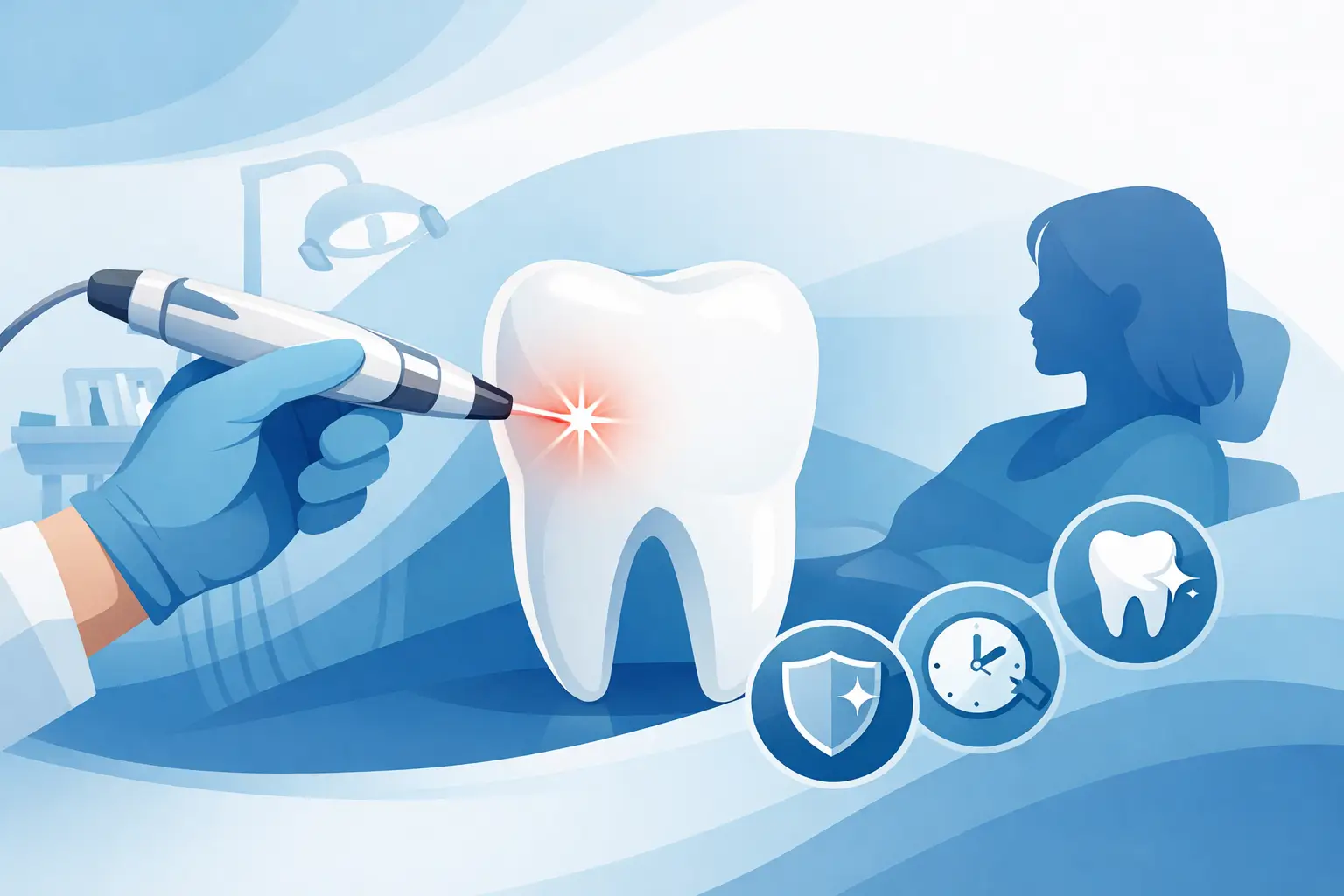
If the sound of a dental drill makes your shoulders tense up, the question is not just is laser dentistry worth it – it is whether this newer approach can make treatment feel easier, gentler, and less stressful. For many patients, the answer is yes. But it depends on what procedure you need, what your goals are, and whether a laser is truly the best tool for the job.
Laser dentistry uses focused light energy to treat certain hard and soft tissue concerns in the mouth. That can include reshaping gum tissue, helping treat gum disease, reducing bacteria, improving comfort during some procedures, and in select cases working with tooth structure. It is not a magic replacement for every traditional dental instrument, but it can be a very useful option when chosen for the right reason.
Is laser dentistry worth it for every procedure?
Not always. That is one of the most important things to understand.
Laser dentistry can be an excellent choice for some treatments, especially those involving gum tissue. In many of these cases, patients appreciate less bleeding, more precision, and a smoother experience during and after treatment. Lasers can also reduce the need for sutures in some procedures and may shorten healing time.
At the same time, there are limits. Not every cavity can be treated with a laser. Not every surgical procedure becomes easier just because a laser is available. Sometimes a traditional approach is still faster, more predictable, or more cost-effective. A trustworthy dentist should explain when laser treatment offers a real benefit and when it does not.
That is what makes the question worth it so personal. The value is not in the technology by itself. The value comes from using the right technology for your specific needs.
Where laser dentistry tends to help most
Soft tissue procedures are where lasers often shine. If you need gum contouring, treatment for inflamed gum tissue, or support for periodontal care, laser dentistry may offer a more comfortable experience than traditional methods. The laser can target tissue with impressive precision, which helps preserve surrounding healthy areas.
For patients with gum disease, lasers may be used to reduce bacteria and remove diseased tissue as part of a broader treatment plan. This does not mean lasers replace deep cleaning or ongoing periodontal care, but they can be a useful addition in selected cases.
Lasers may also be used to expose partially erupted teeth, treat certain mouth sores, or assist with procedures where minimizing bleeding is especially helpful. Some patients also prefer laser treatment for cosmetic gum reshaping because of the cleaner look and faster recovery many people experience.
Comfort matters more than people think
For anxious patients, comfort is not a bonus. It can be the difference between getting treatment done and putting it off.
Many patients report that laser procedures feel less invasive. Depending on the treatment, there may be less vibration, less pressure, and less post-treatment soreness. In some soft tissue cases, local anesthesia needs may be reduced, though this varies. That can make the entire appointment feel more manageable, especially for patients who have had difficult dental experiences in the past.
This is one reason families and working adults often ask about laser options. If a treatment can be more comfortable and recovery can be smoother, that has a real impact on daily life.
The benefits that often make laser dentistry worth it
The biggest advantages of laser dentistry are precision, comfort, and healing support. A laser can target tissue very accurately, which may help reduce trauma to surrounding areas. In soft tissue procedures, it can also seal blood vessels as it works, leading to less bleeding and swelling.
That matters after the appointment too. Patients who choose laser treatment in the right situation may notice a shorter recovery period and less disruption to eating, speaking, or returning to normal routines. For busy households, those practical benefits can matter just as much as the clinical ones.
Lasers may also help reduce bacteria during certain procedures. In periodontal treatment, for example, that can support cleaner treatment areas and may improve how the tissues respond afterward. It is not a shortcut around proper home care or professional follow-up, but it can be one more advantage when used appropriately.
Is laser dentistry worth it if you are afraid of the dentist?
Often, yes.
Patients with dental anxiety tend to care deeply about how treatment feels, not just whether it works. The word gentle gets overused in healthcare marketing, but in this case it can be accurate. A laser may create a less intimidating experience for some procedures, especially compared with cutting instruments or the anticipation of stitches.
That does not mean every anxious patient should automatically request a laser for everything. It means the conversation is worth having. If fear, sound sensitivity, or past trauma has kept you from getting care, a dentist who offers modern options and explains them clearly may help treatment feel more approachable.
The trade-offs to think about
Laser dentistry does have downsides, and patients deserve to hear them plainly.
First, cost can be higher in some offices. The technology itself is expensive, and fees may reflect that. Whether the added cost is worth it depends on the procedure and the benefit you are likely to receive. If a laser offers a noticeably more comfortable experience, fewer follow-up issues, or better tissue management, that extra cost may feel justified. If the benefit is minimal for your case, it may not.
Second, lasers are not universal tools. Different lasers are designed for different kinds of tissue, and not every dentist uses them for the same procedures. Skill and judgment matter as much as the equipment. A well-trained dentist should be able to explain why a laser is recommended, what alternatives exist, and what result you can realistically expect.
Third, some procedures still require traditional tools. If you are hoping laser dentistry means no drills, no numbing, and no discomfort under any circumstances, that expectation may lead to disappointment. The better way to think about lasers is as one option in modern dental care, not an all-purpose replacement.
How to decide if laser dentistry is worth it for you
Start with the procedure itself. If your treatment involves gum reshaping, periodontal therapy, or another soft tissue concern, laser dentistry may be especially worthwhile. If your treatment is more complex or involves structural tooth repair, the answer may be less straightforward.
Then think about your priorities. If you value comfort, reduced bleeding, a potentially easier recovery, or a less intimidating treatment experience, laser dentistry may offer meaningful benefits. If your main concern is keeping treatment as low-cost as possible, a traditional method may sometimes be the better fit.
It also helps to ask practical questions during your consultation. Why is a laser being recommended for this case? What are the expected benefits compared with a conventional technique? Will recovery likely be easier? Is there a cost difference? Those answers can help you make a confident decision instead of choosing based on hype.
The provider matters as much as the technology
Technology should support good care, not distract from it.
The best dental experience usually comes from a team that listens, explains your options, and recommends treatment based on your needs rather than what sounds impressive. At a patient-centered practice like Amor Dental Arts, the conversation should feel clear and reassuring. You should understand not only what a laser can do, but whether it is the right choice for your comfort, budget, and long-term oral health.
That balance matters. Advanced tools are valuable when they improve care. Compassion and clinical judgment are what make those tools truly useful.
So, is laser dentistry worth it?
For many patients, yes – especially when the treatment involves soft tissue, comfort is a major concern, or faster healing would make a real difference in daily life. Laser dentistry can be more precise, less invasive in certain cases, and easier on anxious patients.
But worth it does not mean necessary in every situation. The right answer depends on the procedure, the expected benefit, the cost, and the experience of the dentist providing care. If a laser improves your treatment in a meaningful way, it can absolutely be worth it. If not, a traditional approach may serve you just as well.
The most helpful next step is not guessing from a headline or assuming newer always means better. It is sitting down with a dentist who can evaluate your needs, explain your options honestly, and help you choose the treatment that feels right for your health and peace of mind.