If you have a chipped, worn, discolored, or misshapen tooth, the veneers vs crowns difference matters more than most people realize. These treatments can both improve how a tooth looks, but they do very different jobs. One is usually more conservative and cosmetic. The other is often more protective and restorative. Choosing the right one depends on how much healthy tooth structure remains, where the tooth is located, and what you want your long-term result to be.
For many patients, the real question is not which option looks better on paper. It is which one fits their oral health, budget, and daily life. A front tooth with minor cosmetic flaws may be a good candidate for a veneer. A tooth with a large filling, crack, or root canal history may need the strength of a crown. That is why a careful exam matters before making any decision.
Veneers vs crowns: the basic difference
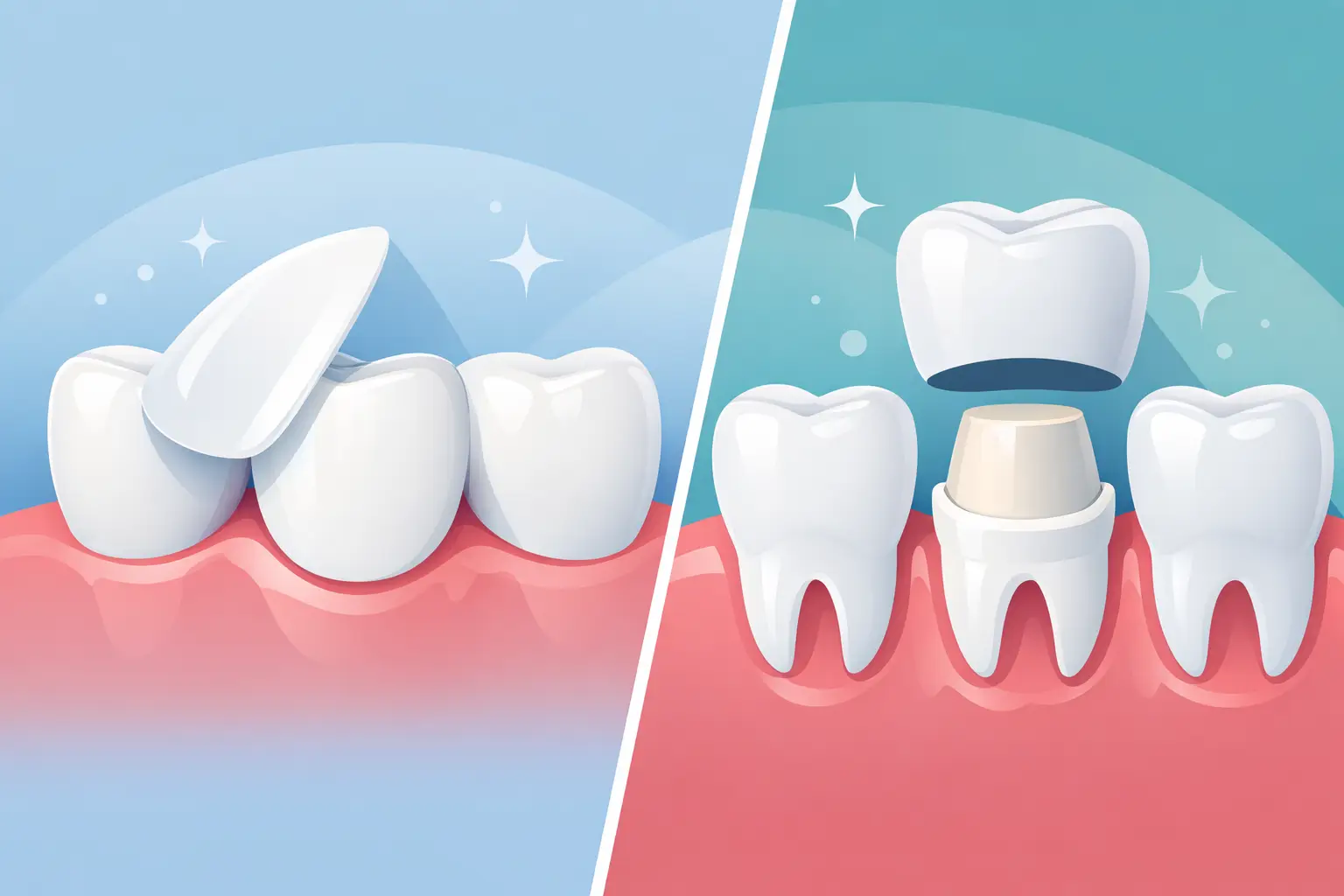
A veneer is a thin shell, usually made of porcelain, that is bonded to the front surface of a tooth. It is designed mainly to improve appearance. Veneers can change tooth color, shape, size, and minor alignment issues. Because they cover only the front and edge in many cases, they preserve more of the natural tooth than a crown.
A crown covers the entire visible portion of the tooth above the gumline. It acts more like a protective cap. Crowns are used when a tooth is weakened, heavily restored, broken down, or structurally compromised. They can improve appearance too, but their main purpose is often to restore strength and function.
That distinction is at the heart of the veneers vs crowns difference. Veneers are generally chosen when the tooth is healthy enough to keep most of its structure. Crowns are often chosen when the tooth needs fuller coverage and reinforcement.
When veneers make sense
Veneers are often a strong option for patients who want to improve the look of front teeth without more treatment than necessary. They can work well for stubborn staining that does not respond to whitening, small chips, uneven edges, minor gaps, and teeth that appear too small or slightly irregular.
The appeal of veneers is that they can deliver a dramatic cosmetic result while removing less enamel than a crown usually requires. For patients focused on smile appearance, that can be a major advantage. Porcelain veneers also reflect light in a way that looks very natural, which is why they are commonly used in cosmetic dentistry.
Still, veneers are not the right answer for every tooth. If a tooth has a large cavity, a significant crack, extensive wear from grinding, or not enough healthy enamel for bonding, a veneer may not hold up as well over time. In those situations, a crown may be the safer choice.
When crowns are the better choice
Crowns are commonly recommended when a tooth needs more than cosmetic improvement. If the tooth has been weakened by decay, a large filling, trauma, or root canal treatment, a crown can help protect what remains. Molars and other teeth that handle heavy biting forces are also more likely to need crowns when damage is significant.
A crown surrounds the tooth, which gives it more support than a veneer. That full coverage can reduce the risk of further fracture in a compromised tooth. For patients who want to save a damaged tooth rather than remove it, a crown is often an important part of that plan.
Crowns can also be used for cosmetic reasons, but they are usually not the first choice if the tooth is otherwise healthy. Since more tooth structure is removed to make room for a crown, dentists try to preserve healthy enamel whenever possible.
Appearance, strength, and tooth preservation
Patients often want a simple answer: which one is better? The honest answer is that it depends on what the tooth needs.
If your priority is cosmetic improvement on a healthy front tooth, veneers often win on tooth preservation. They require less reshaping and can look exceptionally lifelike. If your priority is protecting a weakened tooth so you can chew comfortably and avoid future breakage, crowns usually offer more strength.
This is where trade-offs matter. Veneers are conservative, but they are not meant to rescue badly damaged teeth. Crowns are durable and protective, but they involve more alteration of the natural tooth. Neither is automatically better. The right option is the one that solves the actual problem without overtreating or undertreating it.
Veneers vs crowns difference in cost and longevity
Cost is one of the first things patients ask about, and understandably so. Veneers and crowns can both be a meaningful investment. In general, pricing varies based on the material used, the complexity of the case, how many teeth are being treated, and whether the treatment is primarily cosmetic or medically necessary.
Veneers are often placed on visible front teeth and may be considered elective in many cases. Crowns are frequently recommended because a tooth needs protection, which can affect insurance coverage. Every plan is different, so there is no one-size-fits-all answer.
As for longevity, both veneers and crowns can last many years with good care. Porcelain veneers often last a decade or longer. Crowns can also last 10 to 15 years or more, sometimes longer depending on the tooth, the material, bite forces, and home care habits. Grinding, clenching, chewing ice, and skipping routine dental visits can shorten the lifespan of either option.
Which option feels more natural?
When done well, both veneers and crowns can feel and look natural. The difference usually comes down to placement, design, and your starting condition.
Veneers can blend beautifully with neighboring front teeth because they are thin and highly customized. Patients often love how they brighten the smile while still looking like natural enamel. Crowns can also be extremely natural-looking, especially modern porcelain and ceramic crowns, but because they cover the whole tooth, the dentist has to shape the tooth more extensively first.
Some patients worry that crowns always look bulky or fake. Years ago, that concern was more common. Today, high-quality materials and careful shade matching allow crowns to look very realistic. The same is true for veneers. Natural results depend less on the name of the treatment and more on thoughtful planning and precise execution.
How dentists decide between veneers and crowns
The best recommendation comes from looking at the whole picture, not just the tooth color or shape. Your dentist will consider how much healthy enamel is left, whether there is decay or a crack, how your upper and lower teeth come together, and whether you clench or grind.
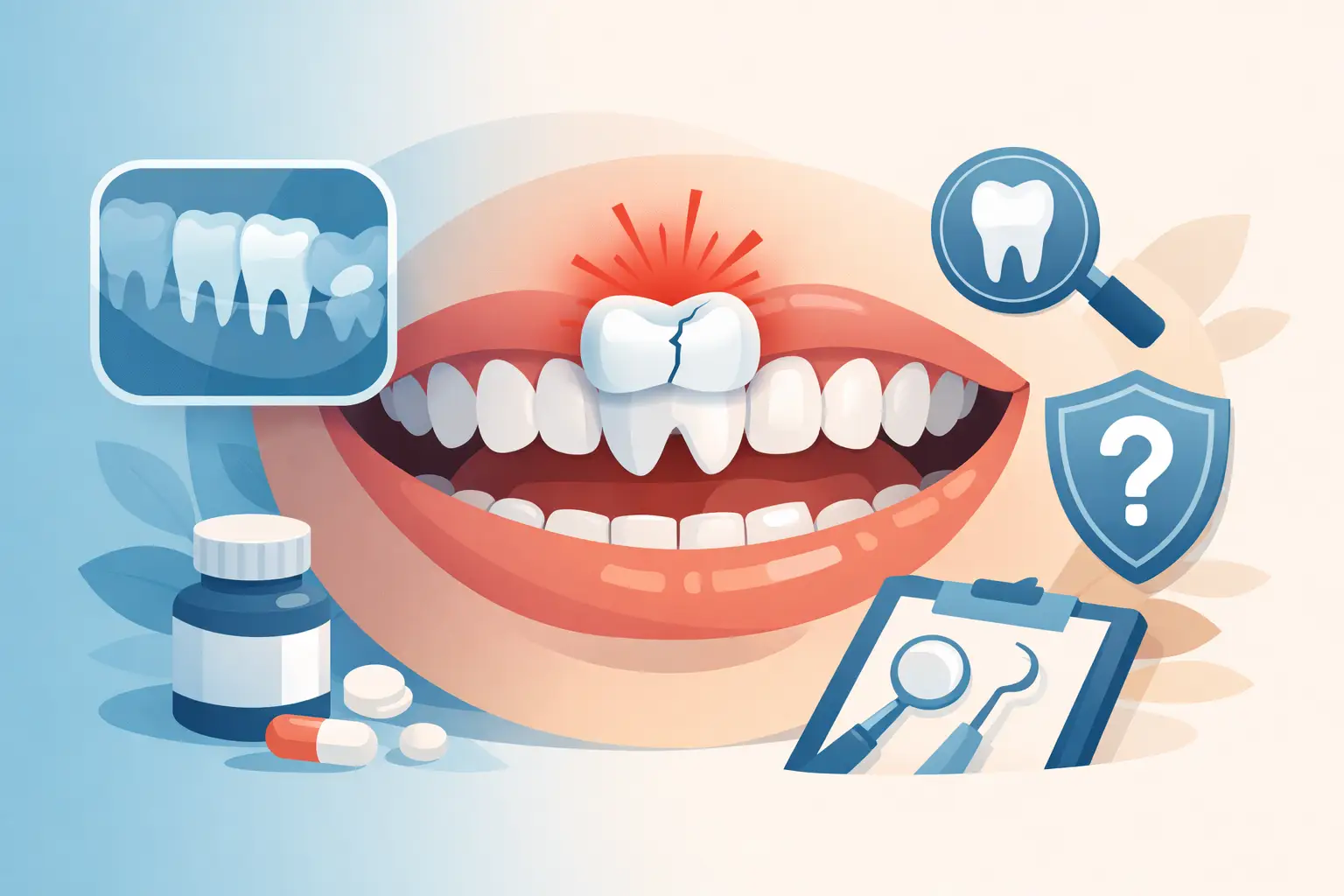
A tooth that looks like a cosmetic issue from the outside may actually have structural weakness underneath. On the other hand, a tooth that bothers you aesthetically may not need full coverage at all. X-rays, photographs, and a clinical exam help clarify what is really going on.
Your goals matter too. Some patients want the most conservative option possible. Others want the most durable option, even if it means more preparation. A good treatment plan respects both your preferences and the biology of the tooth.
Questions worth asking at your consultation
If you are comparing treatment options, it helps to ask direct, practical questions. Ask whether the tooth is healthy enough for a veneer, whether a crown would better protect it, and what could happen if you choose the more cosmetic option over the more protective one. You can also ask how long the result is expected to last and what kind of maintenance is needed.
For anxious patients, the process matters as much as the recommendation. It is reasonable to ask how many visits are needed, whether temporary restorations will be placed, and what comfort options are available. Clear answers tend to make the decision feel much less overwhelming.
At Amor Dental Arts, these conversations are part of personalized care. The goal is not to push one treatment over another. It is to help you understand what your tooth needs and what result you can realistically expect.
The right choice is the one that protects your smile
The veneers vs crowns difference comes down to purpose. Veneers are usually best for improving the appearance of healthy front teeth. Crowns are usually better when a tooth needs full coverage and added strength. Both can look beautiful. Both can last for years. The smartest choice is the one that supports your long-term oral health, not just the fastest cosmetic fix.
If you are deciding between the two, do not feel pressured to guess. A well-explained exam can tell you whether your tooth needs enhancement, protection, or both – and that clarity is often what brings the most peace of mind.