A missing tooth can affect more than a photo or a favorite meal. It can change how you speak, the foods you avoid, and how confident you feel around other people. When comparing implant-supported dentures vs bridges, the right choice depends on how many teeth are missing, the health of your gums and jawbone, your daily priorities, and your budget.
Both options can restore your smile beautifully. The key difference is how they are designed to replace teeth and how they are held in place. A thoughtful exam and a clear conversation can help you choose a solution that feels secure, looks natural, and supports your long-term oral health.
Implant-Supported Dentures vs Bridges: The Main Difference
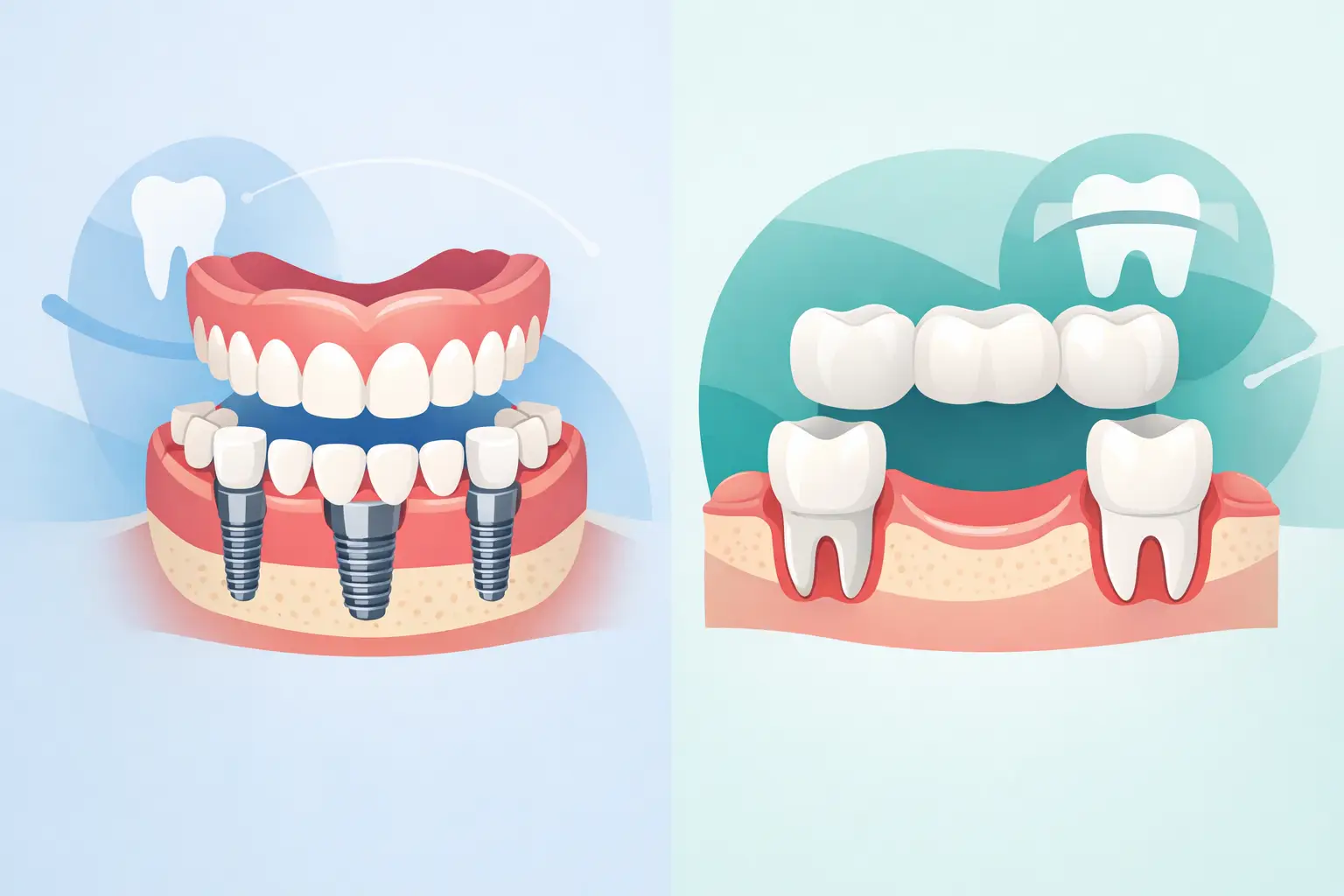
Implant-supported dentures are designed for people who are missing most or all teeth in an upper or lower arch. Dental implants are placed in the jawbone, and a custom denture attaches to those implants. Depending on the treatment plan, the denture may snap in and out for cleaning or remain fixed in place for a more permanent feel.
A dental bridge replaces one or several missing teeth in a row. A traditional bridge is supported by crowns placed on the natural teeth beside the gap. An implant-supported bridge, by contrast, is secured to implants and does not require neighboring healthy teeth to be reshaped.
In simple terms, implant-supported dentures are usually an arch-wide solution, while bridges are often used to fill a smaller gap. There are exceptions, and the best design should be based on your specific smile rather than a one-size-fits-all recommendation.
How Implant-Supported Dentures Feel Day to Day
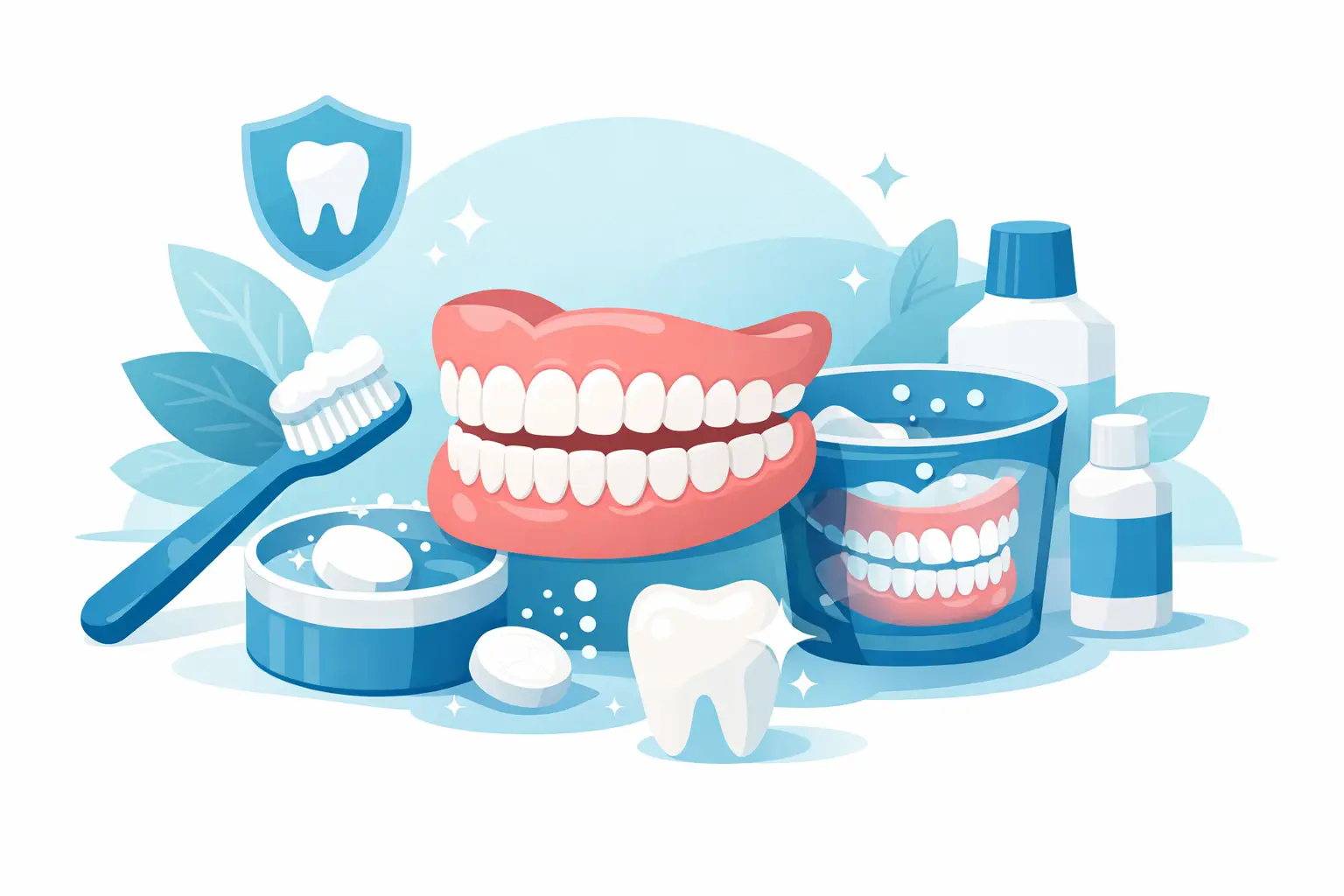
Traditional removable dentures rest on the gums. They can be a practical and affordable option, but some people experience movement, sore spots, or worry about dentures slipping while they talk or eat. Adhesives may help, although they do not create the same stability as implants.
Implant-supported dentures are held in position by implants, which can significantly improve stability. Many patients find it easier to eat a wider variety of foods and speak with greater confidence. Because the denture is not relying solely on the gums for support, it may also reduce rubbing and pressure in sensitive areas.
The type of attachment matters. A removable implant denture allows you to take it out at home for thorough cleaning. A fixed implant denture stays in place and is removed by the dental team during maintenance visits when needed. Fixed options can feel more like natural teeth, but they also require careful brushing, flossing tools, and regular professional care to keep the tissue around the implants healthy.
Implants also help stimulate the jawbone. After teeth are lost, the bone in that area can gradually shrink because it is no longer receiving the pressure of chewing. While implants cannot reverse every change that has already occurred, they can help preserve bone after placement.
When a Bridge May Be the Better Choice
A bridge can be an excellent solution when one tooth or a small group of neighboring teeth is missing. If the teeth on either side of the space already need crowns because they are cracked, heavily filled, or worn down, a traditional bridge can address several needs at once.
Traditional bridges are fixed in place, meaning you do not remove them at night. They can look very natural and restore chewing function efficiently. Treatment also generally takes less time than implant treatment because it does not involve surgical healing time.
There is an important trade-off. A traditional bridge requires the dentist to prepare the adjacent teeth to support crowns. If those teeth are healthy and untouched, some patients prefer an implant-supported option that preserves them. A bridge also does not replace the tooth root in the jawbone, so bone loss can still occur beneath the missing-tooth area over time.
An implant-supported bridge can be a strong choice for several missing teeth in a row. It offers the stability of implants without placing an implant for every missing tooth. This option may be especially helpful when the surrounding teeth are healthy and worth preserving.
Comparing Cost, Time, and Long-Term Value
Cost is a real part of the decision, and patients deserve straightforward answers. A traditional bridge usually has a lower initial cost than implants because it does not involve implant surgery, healing, or components placed in the jawbone. Removable dentures are commonly the lowest-cost way to replace a full arch of teeth.
Implant-supported dentures and implant-supported bridges typically require a larger investment upfront. The final cost can vary based on the number of implants needed, the condition of the jawbone, whether extractions or bone grafting are necessary, and the type of restoration selected.
Looking only at the initial price can miss part of the picture. A well-cared-for bridge can last for many years, but it may need replacement eventually. If the supporting teeth develop decay, fracture, or gum disease, the bridge can be affected too. Implant restorations also require maintenance and may need repairs over time, yet implants can offer lasting support when the bone and gums remain healthy.
The treatment timeline is different as well. A bridge can often be completed in a matter of weeks after the teeth are prepared. Implant treatment usually takes longer because the implants need time to integrate with the bone. In some situations, same-day temporary teeth may be possible, but the final restoration is generally placed after a healing period.
Your Bone and Gum Health Matter
Not everyone starts treatment with enough healthy bone for implants. Bone loss, untreated gum disease, certain health conditions, smoking, and habits such as clenching can all influence implant planning. That does not automatically mean implants are off the table. Bone grafting, periodontal treatment, or a modified implant plan may make treatment possible for some patients.
A bridge may be more appropriate when surgery is not advisable or when a patient wants to avoid a longer treatment process. On the other hand, placing a bridge without addressing active gum disease or decay in the supporting teeth is not a lasting solution. A healthy foundation comes first, whichever option you choose.
At Amor Dental Arts, planning begins with a full evaluation of your teeth, gums, bite, and bone. Modern imaging and a careful clinical exam help reveal details that are easy to miss from the surface, including infection, bone levels, and the condition of teeth that may serve as bridge supports.
Cleaning and Caring for Each Option
Every tooth replacement needs daily care. With a traditional bridge, brushing alone is not enough. You need to clean beneath the artificial tooth using floss threaders, a water flosser, or specialized bridge-cleaning tools. Plaque that remains under the bridge can lead to gum inflammation and decay around the supporting crowns.
Implant-supported dentures need equally consistent attention. Removable versions should be taken out and cleaned daily, while your gums and implant attachments should be cleaned as instructed. Fixed restorations require careful cleaning under and around the bridge or denture. Your dental team can demonstrate the tools and technique that fit your restoration.
Regular checkups are essential for both. During these visits, your dentist can check the fit of the restoration, examine your gums, evaluate your bite, and identify small concerns before they become painful or expensive problems.
Which Option Is Right for You?
A bridge may make sense if you are replacing one or a few teeth, want a fixed solution without surgery, or have nearby teeth that already need crowns. An implant-supported bridge may be a better fit when you want to preserve healthy adjacent teeth and have sufficient bone for implants.
Implant-supported dentures are often worth considering if you are missing an entire arch of teeth or are frustrated by a loose conventional denture. They can provide more stability and chewing confidence, but they require surgery, healing time, and a higher initial investment.
There is no universally better answer in the implant supported dentures vs bridges conversation. The better choice is the one that protects your oral health, fits your life, and gives you a result you can maintain comfortably for years. A personal consultation can turn a confusing decision into a clear, reassuring plan for your next smile.