Waking up tired after a full night in bed can feel frustrating, especially when a partner has noticed loud snoring, pauses in breathing, or gasping during sleep. A mouth guard for sleep apnea may offer a more comfortable treatment path for some people, but it is not the same as a store-bought night guard, and it is not the right choice for every case.
At Amor Dental Arts, we believe sleep treatment should feel clear, personal, and manageable. If sleep apnea is affecting your health, energy, relationships, or daily focus, understanding your options is a valuable first step.
What Is a Mouth Guard for Sleep Apnea?
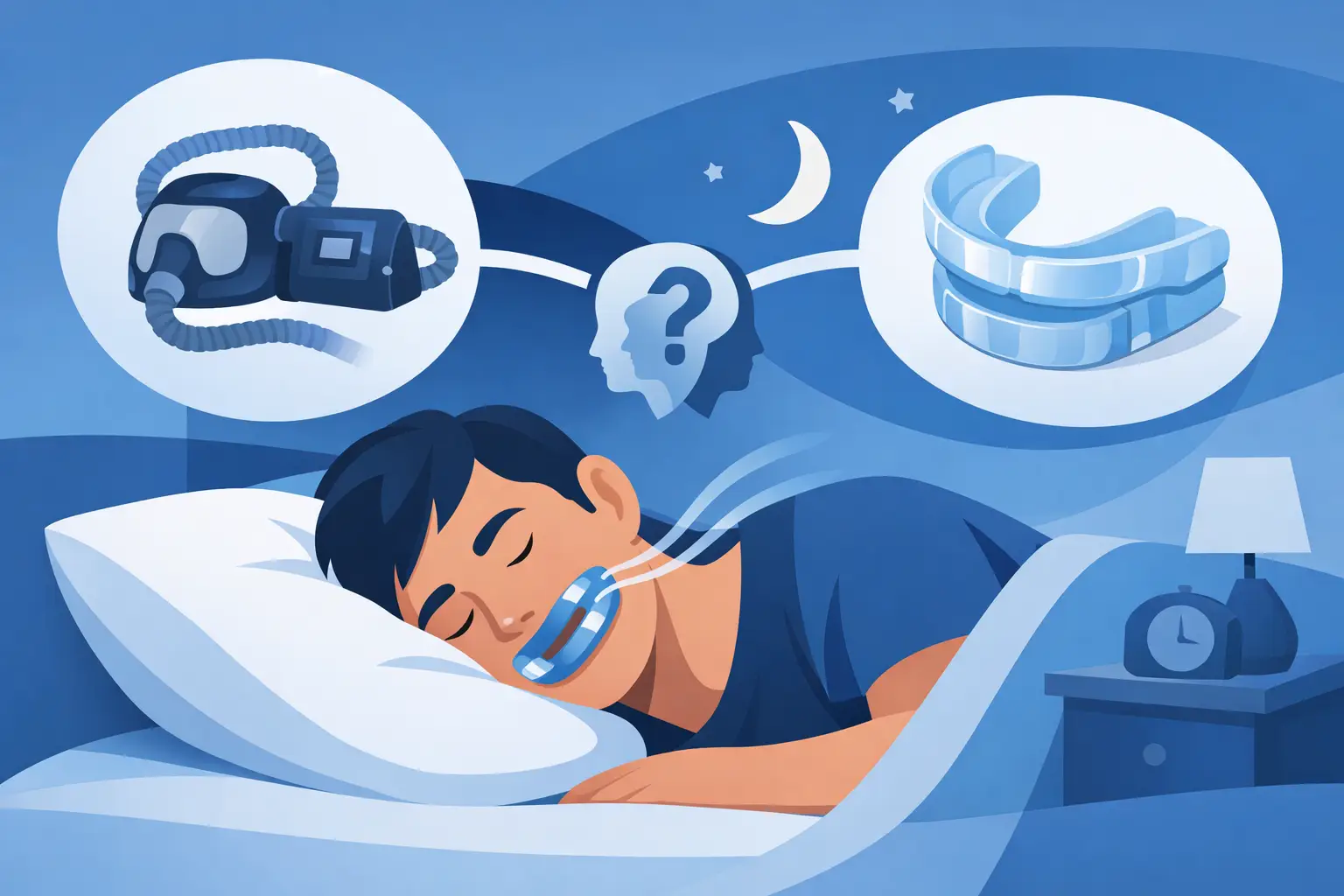
A sleep apnea mouth guard, more accurately called an oral appliance, is a custom-made device worn over the teeth while you sleep. Unlike a sports guard or a night guard designed to protect teeth from grinding, this appliance is made to support your airway.
The most common type is a mandibular advancement device. It gently holds the lower jaw slightly forward, which can help keep the tongue and soft tissues from falling back and narrowing the airway. By creating more room for airflow, the appliance may reduce snoring and breathing interruptions in appropriate patients.
Another option, used less often, is a tongue-retaining device. This appliance holds the tongue in a forward position. It may be considered when a person cannot comfortably wear a jaw-positioning appliance, although it is not the best fit for everyone.
A properly fitted oral appliance is created from impressions or digital scans of your teeth. It should be adjustable, comfortable enough for nightly use, and monitored by a trained dental provider. That level of fit matters. An over-the-counter device may seem like a less expensive shortcut, but it can fit poorly, irritate the gums, shift the bite, or fail to provide reliable airway support.
Who May Benefit From an Oral Appliance?
Oral appliance therapy is often considered for adults with mild to moderate obstructive sleep apnea. It can also help some people with primary snoring, as long as a sleep professional has ruled out sleep apnea or other breathing concerns.
It may be especially appealing to patients who have trouble adjusting to CPAP therapy. CPAP uses gentle air pressure through a mask to keep the airway open and is highly effective, particularly for more severe sleep apnea. Still, some people find the mask uncomfortable, difficult to travel with, or challenging to use consistently. A custom oral appliance is smaller, portable, quiet, and does not require electricity.
That convenience is meaningful, but treatment choice should never be based on convenience alone. The severity and pattern of your sleep apnea, your medical history, your jaw function, and the health of your teeth and gums all matter. For severe obstructive sleep apnea, CPAP may remain the recommended first-line treatment. In some situations, an oral appliance may be used when CPAP is not tolerated or as part of a coordinated treatment plan.
Signs You Should Ask About Sleep Apnea
Snoring is common, but it is not always harmless. Obstructive sleep apnea occurs when the airway repeatedly becomes partially or fully blocked during sleep. These interruptions can lower oxygen levels and prevent the deep, restorative sleep your body needs.
Consider speaking with your physician or a sleep specialist if you experience several of these concerns:
- Loud, frequent snoring or reports of gasping, choking, or breathing pauses
- Daytime sleepiness, low energy, or difficulty concentrating
- Morning headaches, dry mouth, or a sore throat after waking
- High blood pressure or heart-related health concerns
- Irritability, mood changes, or drowsiness while driving
Sleep apnea can affect far more than how rested you feel. Untreated cases may be associated with increased risks involving cardiovascular health, metabolism, memory, and safety behind the wheel. A dental appliance can be a helpful part of treatment, but it should follow a proper evaluation rather than guesswork.
Why a Custom Mouth Guard for Sleep Apnea Matters
A custom mouth guard for sleep apnea is designed around your bite, teeth, jaw movement, and comfort needs. The dentist can make gradual adjustments to the appliance so the lower jaw moves only as far forward as needed to support the airway. This careful process helps balance effectiveness with comfort.
Before recommending an appliance, a dentist will evaluate your oral health. Healthy teeth and gums are important because the appliance relies on the teeth for support. Loose teeth, active gum disease, extensive decay, missing teeth, or untreated dental pain may need attention first. Existing TMJ symptoms, jaw clicking, and limited jaw movement also deserve a careful discussion.
This does not automatically mean you cannot use an oral appliance. It means your plan should be individualized. Some patients need a modified design, treatment for dental concerns before appliance therapy, or a different sleep apnea solution altogether.
What the Process Usually Looks Like
The first step is a diagnosis from a qualified medical provider, often based on a sleep study. A home sleep test may be appropriate for some patients, while others need an in-lab study for a fuller picture of their sleep and breathing patterns.
Once obstructive sleep apnea has been diagnosed and oral appliance therapy is appropriate, the dental process can begin. Your dentist will examine your teeth, gums, bite, jaw joints, and airway-related anatomy. Digital scans or impressions are then used to create your custom device.
When the appliance is ready, you will receive instructions on how to insert it, clean it, and wear it consistently. Adjustment visits are not a minor detail. The device is gradually calibrated based on comfort, snoring changes, daytime symptoms, and guidance from your sleep physician. A follow-up sleep test may be recommended to confirm that the appliance is effectively controlling your apnea.
Most people need a short adjustment period. Mild jaw soreness, tooth tenderness, or extra saliva can occur at first, but these effects often improve as you adapt. Persistent pain, changes in your bite, or worsening jaw symptoms should be addressed promptly rather than ignored.
Oral Appliance Therapy vs. CPAP
Neither option is universally better. CPAP is generally the most consistently effective treatment for moderate to severe obstructive sleep apnea because it directly uses air pressure to prevent airway collapse. It may be the safest choice when apnea is severe, oxygen levels drop significantly, or certain health conditions are present.
An oral appliance can be an excellent alternative for many patients with mild to moderate sleep apnea, particularly when CPAP is difficult to tolerate. It is easy to carry when traveling, quiet at night, and often preferred by bed partners because it does not involve a mask or machine.
The best treatment is the one that addresses your condition and that you can use consistently. A highly effective therapy that stays in a closet cannot protect your health. Your physician and dentist can work together to find an approach that is clinically appropriate and realistic for your life.
Caring for Your Appliance and Your Smile
Your oral appliance should be rinsed after use and cleaned regularly with a soft brush and products recommended by your dental team. Avoid hot water, which can warp many appliance materials. Store it in its protective case when it is not being worn, and bring it to dental visits so its condition and fit can be checked.
Regular dental care remains essential. Because the appliance covers the teeth overnight, consistent brushing, flossing, and professional cleanings help protect against plaque buildup and gum irritation. If you grind your teeth, have crowns or implants, or notice changes in how your teeth fit together, mention this during your visit.
A sleep apnea appliance is not a one-time purchase. Your mouth, bite, and dental work can change over time, and the device may need adjustment or replacement. Ongoing follow-up helps protect both your breathing and your oral health.
A Comfortable Next Step
If you are tired of being tired, do not assume snoring is simply something you have to live with. Start with an honest conversation about your symptoms and a sleep evaluation when needed. With compassionate guidance, a properly designed oral appliance, and regular follow-up, better sleep can become a practical goal rather than another thing you put off.