A lot of adults think about straightening their teeth for years before doing anything about it. Usually, the delay is not about vanity. It is about timing, work, cost, or the simple fact that metal braces never felt like the right fit. That is why clear aligners for adults have become such a common option. They offer a more discreet way to improve alignment, and for many people, they fit more comfortably into daily life.
Still, they are not automatically the best choice for every smile. Some adult cases respond very well to aligners, while others may need a different orthodontic approach to get a healthy, stable result. If you are weighing your options, it helps to understand not just how clear aligners look, but how they actually work and what treatment involves.
How clear aligners for adults work
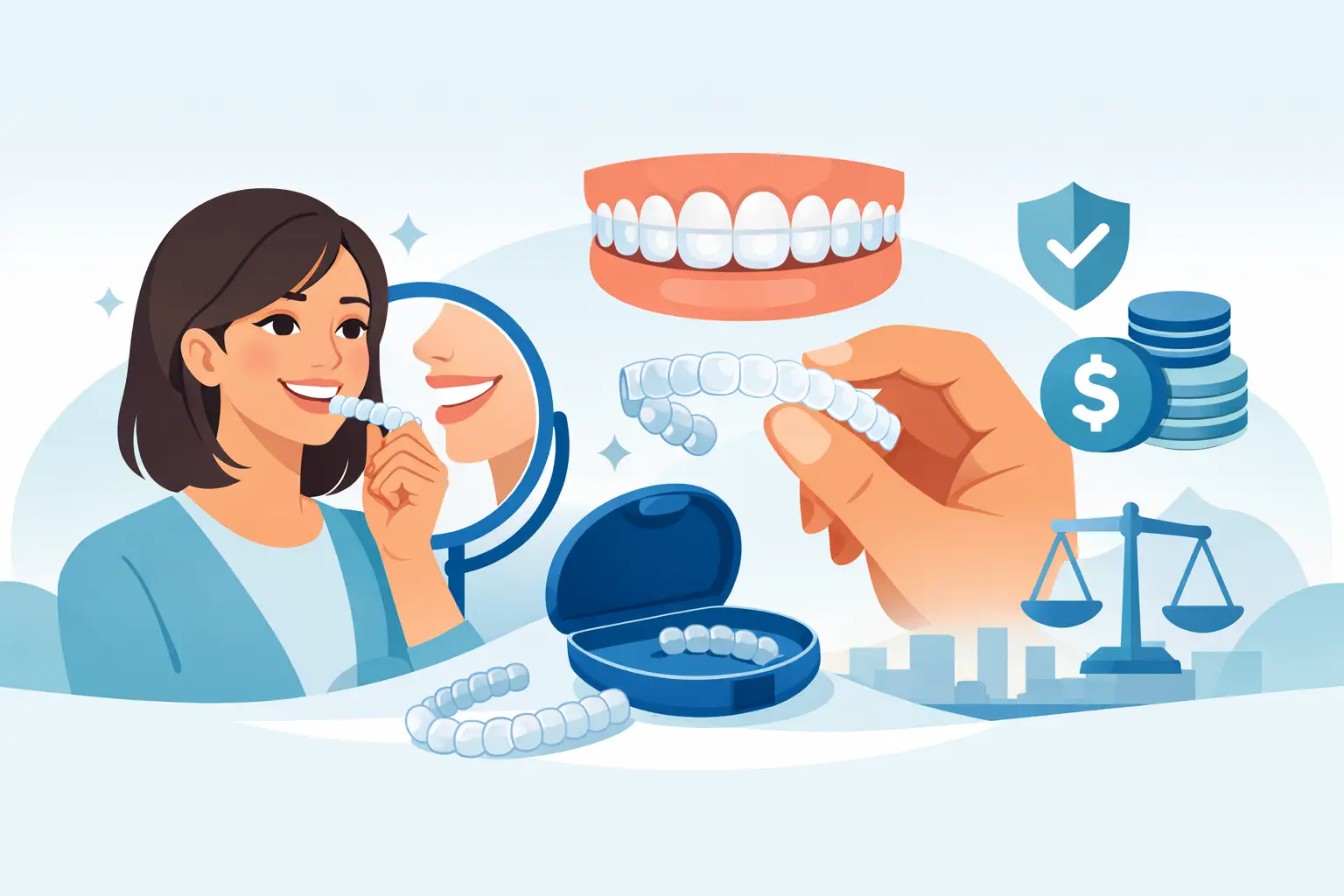
Clear aligners are a series of custom-made trays designed to move teeth in small, planned stages. Each set is worn for a specific period, often one to two weeks, before switching to the next set. Over time, those gradual movements can correct crowding, spacing, bite concerns, and minor to moderate alignment issues.
Unlike braces, aligners are removable. That means you take them out to eat, brush, and floss. For many adults, that is one of the biggest advantages. There are fewer food restrictions, oral hygiene is easier, and the trays are much less noticeable in professional and social settings.
Treatment usually starts with a detailed exam, digital scans or impressions, and a review of your bite and oral health. From there, a customized treatment plan maps out how the teeth should move. This planning stage matters. Adult orthodontic care is not just about making teeth look straighter. It also needs to respect gum health, bone support, existing dental work, and the way the upper and lower teeth function together.
Why adults choose aligners
Most adults are balancing more than one priority at a time. They want a smile that looks better, but they also want treatment that feels realistic. Clear aligners appeal to adults because they are discreet, convenient, and often easier to manage with a busy schedule.
There is also a comfort factor. While any tooth movement can create pressure, aligners generally avoid the brackets and wires that can irritate the cheeks and lips. Adults who already feel a little self-conscious about orthodontic treatment often appreciate that aligners are subtle enough that many people will not notice them.
For some patients, the motivation is cosmetic. For others, it is functional. Crowded or misaligned teeth can make brushing and flossing harder, create uneven wear, or contribute to bite strain. Straightening the teeth can improve more than appearance when the treatment is properly planned.
Who is a good candidate?
Many adults with mild to moderate spacing, crowding, or relapse after past braces are good candidates for aligners. They can also work well for certain bite issues, depending on their severity and how the teeth need to move.
That said, adult treatment is rarely one-size-fits-all. If you have significant bite problems, rotated teeth, advanced gum disease, or teeth that need more complex movement, aligners may not be the ideal solution on their own. Some patients need traditional braces. Others may need restorative or periodontal care before starting orthodontic treatment.
This is where a professional evaluation becomes important. A smile can look like a simple cosmetic case from the outside, but the underlying bite, bone levels, and gum condition tell the real story. A trustworthy dentist will explain whether aligners are appropriate, where the limits are, and what alternatives make more sense if needed.
What treatment is really like day to day
The biggest factor in success is consistency. Aligners usually need to be worn 20 to 22 hours a day. If they are left out too often, teeth do not track as planned, and treatment can slow down or become less predictable.
For disciplined adults, this is often manageable. You remove the trays for meals and drinks other than water, then put them back in after brushing. It sounds simple, but it does require habit changes. Frequent snacking, long coffee breaks, or forgetting to reinsert the aligners can work against progress.
There can be an adjustment period at first. Some people notice mild pressure, temporary speech changes, or a little extra saliva for the first few days. These issues usually improve quickly. Most adults find the routine becomes second nature once they settle in.
Follow-up visits are generally straightforward and often shorter than traditional orthodontic checks, though the exact schedule depends on the case. For busy professionals and parents, that convenience is a real benefit.
The pros and trade-offs
Clear aligners offer meaningful advantages, but the best decisions come from looking at both sides honestly.
The upside is easy to see. Aligners are discreet, removable, and often comfortable. They can make oral hygiene easier during treatment, and they fit well for adults who want a lower-profile option.
The trade-offs are just as important. They only work well when you wear them as directed. If you know you are likely to forget, remove them often, or struggle with routines, braces may actually be more effective because they stay in place. Aligners can also be less ideal for certain complex tooth movements. In those cases, the appeal of convenience should not outweigh the need for the right clinical result.
There is also the matter of attachments. Many patients do not realize that small tooth-colored bumps are often placed on certain teeth to help the trays grip and move them properly. These are subtle, but they are part of treatment. Some cases may also involve elastics or refinements after the initial series of trays.
How long do clear aligners for adults take?
Treatment time varies. Some adults finish in as little as six months, while others may need 12 to 18 months or longer. The timeline depends on how much movement is needed, how well the teeth respond, and how consistently the aligners are worn.
Adults sometimes assume treatment will always take longer than it does for teens. That is not necessarily true, but adult cases can involve more variables. Previous dental work, missing teeth, gum recession, and bite wear can all affect planning and timing.
It is also common to need a refinement phase. That means additional trays are made after checking progress and making small adjustments. Refinements are not a sign that something went wrong. They are often part of making sure the final result is as accurate and stable as possible.
Cost and value
Cost is one of the first questions adults ask, and reasonably so. The price of aligner treatment depends on the complexity of the case, length of treatment, and what is included in the plan. Some minor cases cost less, while more involved treatment costs more.
The better question is often about value. If aligners improve your bite, make your teeth easier to clean, and help you feel more confident smiling, they can be a worthwhile investment. But value also depends on choosing treatment for the right reasons and with realistic expectations.
If finances are a concern, ask about payment options, insurance benefits, and what the fee covers. Transparency matters. You should know whether retainers, refinements, and follow-up visits are included.
Why supervision matters
Adults are often drawn to convenience, especially when they see heavily marketed at-home options. But tooth movement is a medical process, not just a cosmetic subscription. Teeth do not move in isolation. Gums, bone, bite function, and existing restorations all need to be considered.
Supervised care gives you the benefit of an exam, diagnosis, and ongoing monitoring. That matters if something is not tracking properly, if attachments need adjustment, or if underlying dental issues appear during treatment. It also means your provider can step back and look at the full picture, not just whether the front teeth seem straighter.
For patients who value comfort and clarity, this kind of guidance makes the process feel less uncertain. At a practice like Amor Dental Arts, that means treatment is approached with both advanced planning and a caring, personalized touch.
Questions to ask before starting
Before beginning treatment, ask whether aligners are the best option for your bite, how long your case is likely to take, what happens if refinements are needed, and what retention will look like after treatment. Retainers are essential. Teeth can shift back without them, even after excellent orthodontic results.
You should also ask whether any dental work needs to happen first. Cavities, gum inflammation, or untreated dental problems should be addressed before moving teeth. A healthy foundation gives aligners the best chance of succeeding.
If you have been putting this off because you assume you missed your chance, you probably have not. Adult orthodontic care is common, effective, and often more manageable than people expect. The right plan is the one that fits your health, your goals, and your day-to-day life. A good consultation should leave you feeling informed, not pressured, and confident about your next step.