A lot has changed in orthodontics over the last decade. If you’ve ever imagined clunky metal braces, messy molds, and endless adjustment appointments, you’re not alone. Many adults and teens still feel nervous about starting treatment because they assume the process will be uncomfortable or inconvenient. The good news? Modern dental technology has completely changed the experience.
Today, digital tools are making orthodontic care faster, more precise, and far more comfortable than it used to be. From 3D imaging to clear aligners designed with computer software, patients now have access to personalized treatment plans that fit their lifestyles better than ever before. If you’re considering “Orthodontic treatment in Norristown“, understanding how these advancements work can help you feel more confident about taking the next step.
What Is Orthodontic Treatment in Norristown?
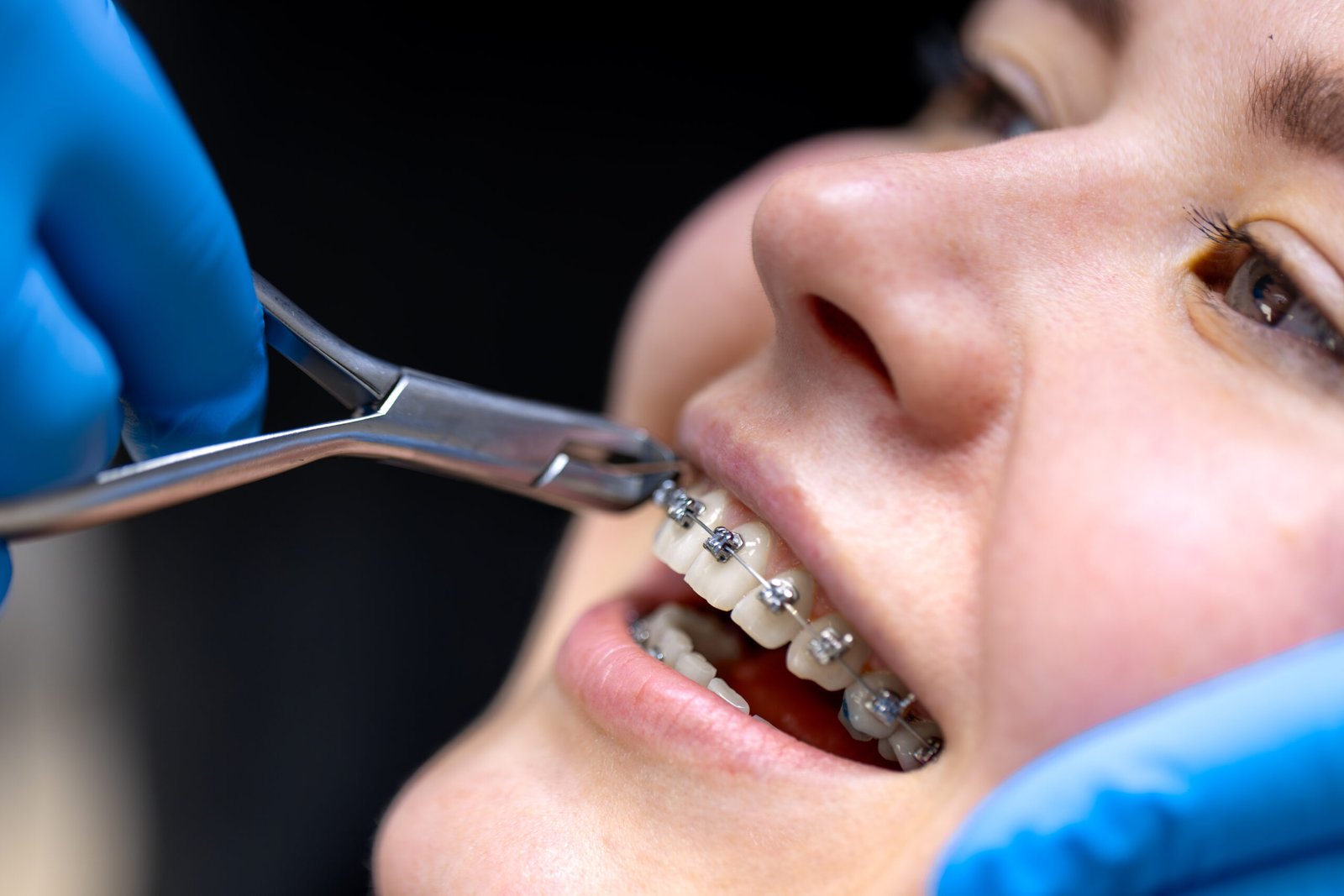
Orthodontic care focuses on correcting problems related to tooth alignment and jaw positioning. Treatments are designed to straighten teeth, improve bites, and create healthier smiles that function properly over time.
In the past, orthodontic treatment mainly relied on manual impressions and traditional braces. Today, digital technology allows orthodontists to diagnose issues with greater accuracy and create customized treatment plans for each patient.
Modern orthodontic treatments may include:
- Clear aligners
- Digital scans instead of messy impressions
- 3D treatment simulations
- Advanced braces systems
- AI-assisted treatment planning
- Faster and more comfortable adjustments
These innovations help patients understand their treatment journey before it even begins.
Why Digital Orthodontics Matters
Technology isn’t just making orthodontics look more modern. It’s improving real outcomes for patients of all ages.
Here’s why digital advancements matter:
- More accurate diagnoses
- Better fitting aligners and appliances
- Shorter treatment timelines in some cases
- Fewer office visits
- Improved comfort during treatment
- Better communication between patient and orthodontist
For busy families, students, and working adults, these improvements can make orthodontic care feel much less overwhelming.
Many patients also appreciate seeing digital previews of their future smiles. It adds a level of reassurance that traditional methods often lacked.
1. How 3D Imaging Improves Orthodontic Care
One of the biggest breakthroughs in modern orthodontics is 3D imaging technology.
Instead of relying only on flat X-rays, orthodontists can now capture highly detailed digital images of the teeth, gums, and jaw structure. This creates a complete view of the mouth from multiple angles.
Benefits of 3D imaging include:
- Earlier detection of alignment issues
- More accurate treatment planning
- Better monitoring of tooth movement
- Reduced guesswork during procedures
For example, if a patient has impacted teeth or jaw alignment concerns, 3D imaging helps orthodontists plan treatment with greater precision.
It also helps explain complex issues in a way patients can actually understand.
2. Why Digital Scanners Are Replacing Traditional Impressions
If you’ve ever had traditional dental impressions taken, you probably remember the uncomfortable trays filled with putty-like material.
Digital scanners are changing that experience completely.
These handheld devices create detailed digital models of the teeth in just minutes. Patients simply sit comfortably while the scanner captures thousands of images.
Advantages of digital scanning include:
- Faster appointments
- Improved comfort
- More accurate models
- Reduced need for retakes
- Better communication with dental labs
This technology is especially helpful for children and patients with gag reflex sensitivity.
Many orthodontic offices now use these scans to create custom clear aligners with incredible accuracy.
3. How Clear Aligners Use Advanced Technology
Clear aligners have become one of the most popular orthodontic solutions today, and digital technology plays a major role in their success.
Using specialized software, orthodontists can map out the movement of each tooth step by step. Patients often receive a digital simulation showing how their smile may change throughout treatment.
Clear aligners are popular because they are:
- Nearly invisible
- Removable for eating and brushing
- Easier to clean than traditional braces
- Often more comfortable
Of course, not every orthodontic issue can be corrected with aligners alone. More complex cases may still require braces or combination treatments.
Still, digital planning has made clear aligners more effective than ever before.
4. Can Artificial Intelligence Improve Orthodontic Treatment?
Artificial intelligence is slowly becoming part of modern orthodontic care.
Some orthodontic systems now use AI-powered software to:
- Analyze tooth movement
- Predict treatment outcomes
- Track patient progress remotely
- Identify potential complications earlier
This doesn’t replace the orthodontist’s expertise. Instead, it supports more informed decisions and improved efficiency.
Patients may also benefit from remote monitoring apps that allow orthodontists to review progress without requiring as many in-office visits.
For people with packed schedules, that convenience can make a huge difference.
5. Are Digital Orthodontic Treatments More Comfortable?
In many cases, yes.
Digital technology allows orthodontists to customize treatments more precisely. When appliances fit better, patients often experience:
- Less irritation
- Reduced pressure
- Fewer emergency visits
- Smoother adjustments
Modern orthodontic systems are designed to move teeth more efficiently while minimizing discomfort whenever possible.
That said, mild soreness is still normal during certain stages of treatment. Teeth need time to shift into their new positions.
The overall experience, however, is generally much more patient-friendly than older orthodontic methods.
Common Misconceptions About Digital Orthodontics
Myth: Digital orthodontics is only for cosmetic purposes
Truth: Proper alignment also improves oral health, bite function, and long-term dental stability.
Myth: Clear aligners work for everyone
Truth: Some complex orthodontic problems still require braces or other specialized treatments.
Myth: Digital treatment means no in-person visits
Truth: Technology helps streamline care, but regular professional supervision is still essential.
Myth: Advanced orthodontics is painful
Truth: Modern techniques are often designed specifically to improve patient comfort.
Many people searching for a trusted “Dentist in Norristown, PA” are surprised by how much more comfortable orthodontic care has become compared to years ago.
Tips for Getting the Best Results From Modern Orthodontic Treatment
Technology can improve treatment outcomes, but patient habits still matter.
Here are a few important tips:
- Follow your orthodontist’s instructions carefully
- Wear aligners for the recommended amount of time
- Maintain excellent oral hygiene
- Attend scheduled appointments
- Avoid damaging foods if wearing braces
- Report discomfort or appliance issues early
Consistency plays a major role in achieving successful results.
Patients who stay engaged with their treatment plans often experience smoother progress and better long-term outcomes.
Frequently Asked Questions
1. Is digital orthodontic treatment more accurate?
Yes. Digital imaging and scanning tools help orthodontists create highly precise treatment plans tailored to each patient’s needs.
2. Are clear aligners faster than braces?
It depends on the complexity of the case. Some mild to moderate alignment issues may be treated more quickly with aligners, while severe cases may require braces.
3. Do digital scans hurt?
No. Digital scanners are painless and much more comfortable than traditional dental impressions.
4. Can adults benefit from orthodontic treatment?
Absolutely. Many adults choose orthodontic care to improve both appearance and oral health. Modern technology has made treatment more discreet and convenient.
5. Is orthodontic technology safe?
Yes. Modern orthodontic tools and imaging systems are designed with patient safety in mind and are widely used in professional dental practices.
6. How long does orthodontic treatment usually take?
Treatment time varies based on the patient’s condition, age, and treatment method. Some cases may take several months, while others may require a few years.
Conclusion
Technology has transformed the orthodontic experience in ways that many patients never expected. From digital scans and 3D imaging to AI-assisted treatment planning, modern orthodontics is making care more accurate, comfortable, and personalized.
If you’ve been considering “Orthodontic treatment in Norristown”, now may be the perfect time to explore your options. Today’s digital tools help patients feel more informed and confident throughout every stage of treatment.
A healthier, straighter smile is no longer just about appearance. It’s about comfort, function, confidence, and long-term oral health. Whether you’re exploring braces or clear aligners, modern orthodontic technology is helping patients achieve better results with a smoother overall experience.
Contact us today to schedule your consultation and take the first step toward a healthier, more confident smile.
Also Read More : Dental Bridge Materials: Porcelain vs. Zirconia